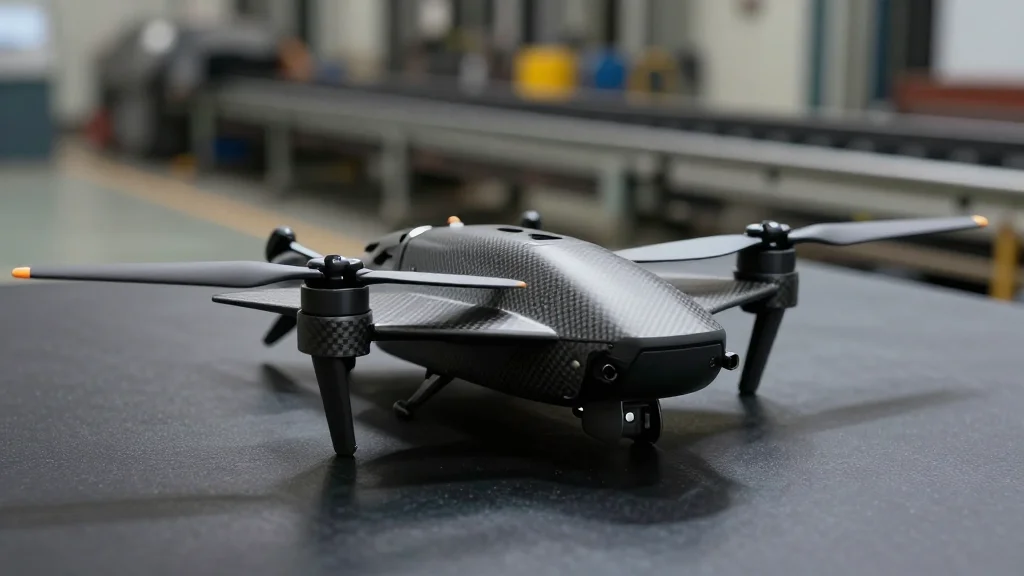
Interceptor Drone Demand Outpaces Supply as Nations Rush to Bolster Air Defenses

Companies Mentioned

Why It Matters
Interceptor drones represent the most affordable and rapidly deployable layer of air defense against the growing threat of swarming commercial and improvised UAVs. Their proliferation could dramatically alter the cost‑benefit calculus of modern warfare, allowing smaller nations to defend critical assets without the expense of traditional missile systems. However, the current production shortfall exposes a vulnerability in the defense manufacturing ecosystem, where scaling high‑tech hardware still depends on scarce components and specialized labor. If supply cannot catch up, adversaries may exploit the gap, prompting a shift toward alternative counter‑UAS technologies or accelerating stockpiling policies that strain defense budgets. The situation also highlights the geopolitical ripple effects of supply‑chain concentration, especially for rare‑earth materials essential to drone propulsion and sensor suites. Nations seeking to reduce reliance on Chinese sources may invest in domestic alloy production, reshaping the industrial landscape and creating new strategic partnerships. Ultimately, the interceptor‑drone shortage is a litmus test for how quickly the defense sector can transition from crisis‑driven procurement to a sustainable, resilient manufacturing model.
Key Takeaways
- •Demand for interceptor drones has spiked after Iran’s Shahed attacks and Ukraine’s war experience.
- •Origin Robotics CEO Agris Kipurs says manufacturers cannot ship units within weeks, citing component shortages.
- •ZenaTech unveiled two new interceptor models (ZenaDrone 2000 and Interceptor P‑1) while expanding globally.
- •Industry forecasts project the drone‑as‑a‑service market could reach $179 billion by 2030.
- •Supply constraints risk creating a critical air‑defense gap for NATO and allied nations.
Pulse Analysis
The interceptor‑drone crunch is a textbook case of demand‑driven supply‑chain stress in a high‑tech defense niche. Historically, the U.S. and its allies have relied on long‑lead‑time missile systems to fill the high‑altitude air‑defense role. The rapid emergence of low‑cost, swarming UAV threats has forced a pivot to cheaper, more agile solutions, but the manufacturing base has not yet caught up. This lag is partly structural—drone production still requires precision‑engineered motors, lightweight composites, and advanced flight‑control software, all of which depend on a limited pool of suppliers, many of which are concentrated in China. The current shortage therefore amplifies existing strategic concerns about rare‑earth dependency, echoing the broader rare‑metal supply‑chain anxieties highlighted in recent defense analyses.
From a market perspective, firms that can secure the necessary component contracts and scale assembly lines quickly stand to capture a multi‑billion‑dollar opportunity. ZenaTech’s aggressive acquisition strategy and its entry into interceptor development signal a bet on vertical integration to mitigate supply risk. Meanwhile, smaller players like Origin Robotics are leveraging niche expertise and rapid prototyping to fill immediate gaps, but they lack the capital to build out mass‑production facilities. The divergent paths suggest a consolidation trend: larger defense contractors may absorb boutique firms to lock in technology and capacity, while governments could incentivize domestic production through subsidies or guaranteed purchase agreements.
Strategically, the shortage forces policymakers to reassess procurement timelines and inventory policies. Traditional defense acquisition cycles—often measured in years—are ill‑suited to the fast‑moving threat landscape where a swarm can overwhelm a static defense posture within minutes. Nations may need to adopt a hybrid approach, maintaining a modest stockpile of ready‑to‑field interceptors while investing in modular production lines that can be ramped up on short notice. The next six months will likely see a wave of legislative proposals and defense‑budget allocations aimed at de‑risking the interceptor supply chain, setting the stage for a more resilient, if still imperfect, air‑defense ecosystem.
Interceptor Drone Demand Outpaces Supply as Nations Rush to Bolster Air Defenses
Comments
Want to join the conversation?
Loading comments...