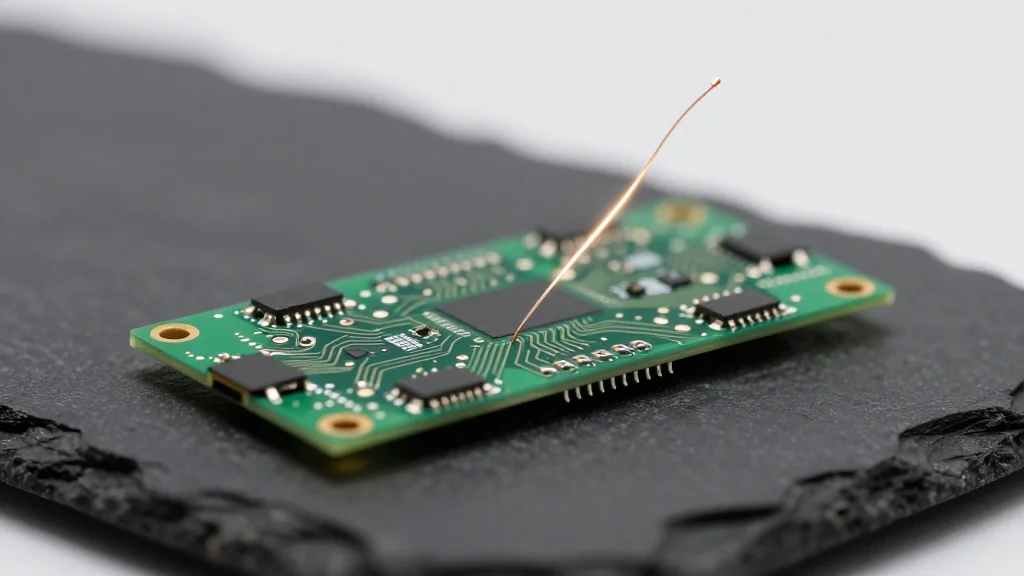
Iran War Hobbles Global Circuit Board Supply Chain
Companies Mentioned
Why It Matters
Reduced PCB supply threatens production schedules and cost structures for global tech manufacturers, potentially slowing innovation and raising product prices for end‑users.
Key Takeaways
- •PCB availability down 12‑15% due to Iran war disruptions
- •Lead times for high‑mix boards up 20% globally
- •Substrate prices rose 8‑10% as alternatives scramble
- •Automotive and defense OEMs face production delays
- •Supply‑chain diversification plans accelerated across industry
Pulse Analysis
The Iran‑Israel conflict has become an unexpected choke point in the global printed circuit board (PCB) ecosystem. Iran, a key hub for copper‑clad laminates and certain specialty substrates, now faces heightened sanctions, port closures, and insurance hesitancy. As a result, manufacturers that relied on Iranian‑origin components are experiencing a 12‑15% shortfall in supply, prompting a scramble for alternative sources in Taiwan, South Korea, and the United States. This disruption is not limited to raw materials; finished PCBs destined for European and North American assemblers are also delayed, extending lead times by roughly 20% for high‑mix, low‑volume orders that are critical for prototype and niche‑market products.
The ripple effects are felt most acutely in sectors where PCB reliability and rapid iteration are non‑negotiable. Automotive OEMs, especially those developing electric‑vehicle power‑train modules, report potential production bottlenecks that could shave margins and delay model rollouts. Defense contractors, already navigating heightened geopolitical risk, now confront additional compliance hurdles and cost inflation as they source from higher‑priced, non‑Iranian suppliers. The cumulative price pressure—an 8‑10% rise in substrate costs—translates into higher bill‑of‑materials for consumer electronics, potentially nudging retail prices upward.
In response, firms are fast‑tracking supply‑chain diversification strategies. Many are signing multi‑year contracts with manufacturers in Southeast Asia, investing in on‑shoring capabilities, and leveraging advanced inventory analytics to buffer against future geopolitical shocks. The episode underscores a broader lesson: even seemingly peripheral conflicts can reverberate through high‑tech supply chains, making resilience a competitive imperative. Companies that proactively re‑engineer their PCB sourcing will better safeguard margins and maintain product timelines amid ongoing uncertainty.
Iran war hobbles global circuit board supply chain
Comments
Want to join the conversation?
Loading comments...