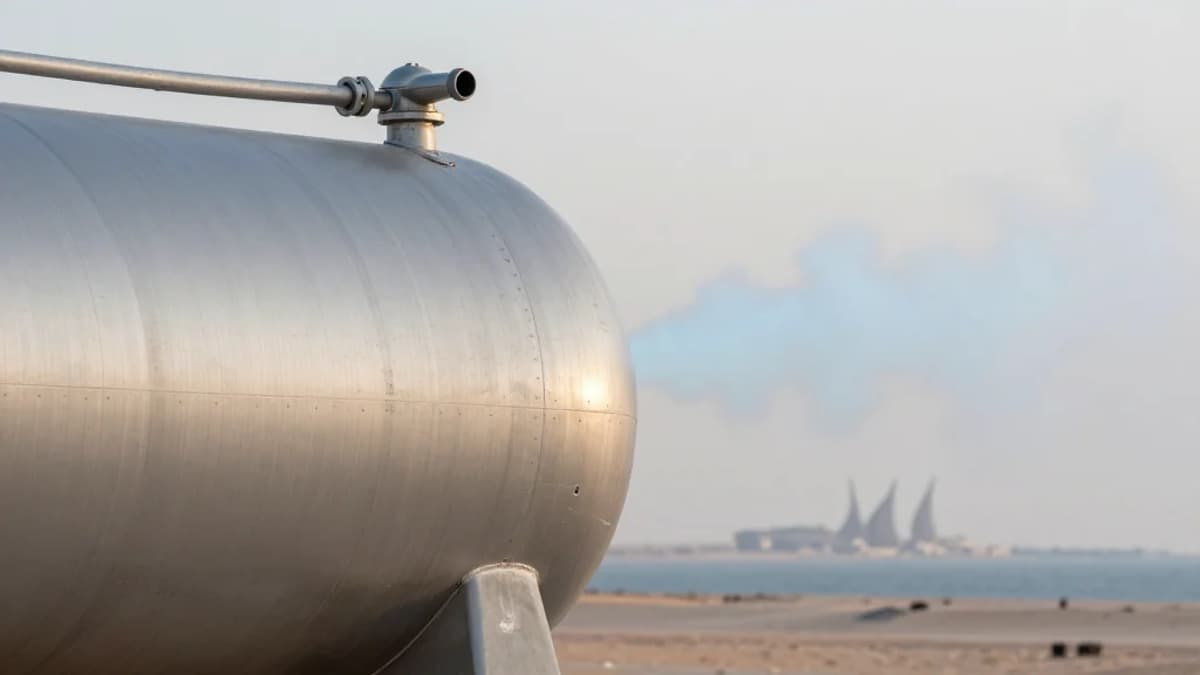
Iran War Threatens Global Helium Supply
•March 6, 2026
0
Why It Matters
Helium is a critical input for high‑tech, medical, and aerospace sectors; a sustained shortage could halt production and drive up costs globally. The disruption highlights geopolitical risk to a commodity with limited alternative sources.
Key Takeaways
- •Iran attacks halted Qatar's helium output, one‑third global supply.
- •Helium shortage could delay scientific, medical, and semiconductor projects.
- •Recovery depends on reopening Ras Laffan within two weeks.
- •Extended blockade may force force‑majeure clauses and price surcharges.
- •Alternative sources insufficient; market faces global shortage risk.
Pulse Analysis
Helium’s strategic importance extends far beyond party balloons; it cools superconducting magnets in MRI machines, powers deep‑sea diving mixes, and enables semiconductor etching. Qatar, home to one of only two plants capable of producing semiconductor‑grade helium, supplies about 33% of global demand. The recent Iranian drone and missile strikes on Ras Laffan have halted production of up to 17 metric tons per day, instantly removing a critical buffer from the supply chain and exposing the fragility of a market that relies on a single geographic hub.
The logistics of helium distribution amplify the risk. From Qatar’s container‑filling stations to end‑user facilities, the product typically takes three weeks to reach customers. If the Ras Laffan plant cannot resume exports within the two‑week window cited by consultants, industrial‑gas giants such as Linde, Air Liquide, and Iwatani will need to re‑route shipments, renegotiate contracts, and possibly relocate equipment—processes that can take months to unwind. Anticipating these challenges, at least one major supplier is already assessing a helium surcharge and preparing force‑majeure declarations, signaling that contractual risk management is becoming a priority.
Beyond immediate pricing pressure, a prolonged helium shortage could reverberate through high‑technology sectors. Semiconductor manufacturers may face wafer‑etch delays, while research institutions could see project timelines extended or halted. The scarcity also underscores the need for diversified supply, prompting investors and policymakers to explore alternative extraction projects in the United States, Australia, and Russia. However, developing new helium infrastructure is capital‑intensive and time‑consuming, meaning the market will likely remain tight until geopolitical tensions ease or new production capacity comes online.
Iran war threatens global helium supply
0
Comments
Want to join the conversation?
Loading comments...