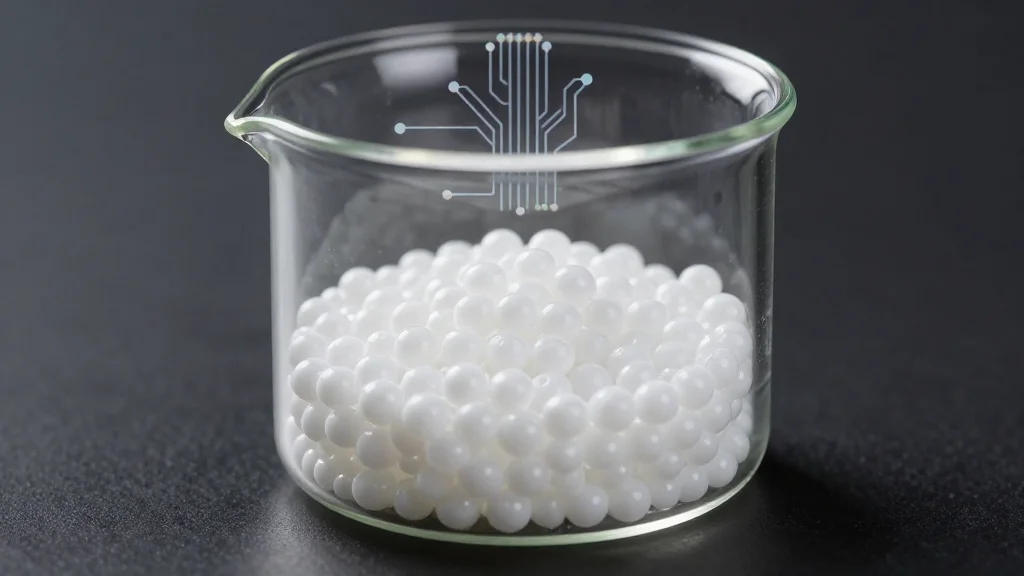
Iranian Strike on SABIC Halts PPE Resin, Driving 40% PCB Price Spike

Why It Matters
The SABIC disruption exposes a single‑point vulnerability in the high‑tech manufacturing ecosystem: a critical material for PCBs is sourced almost entirely from one facility. As AI servers proliferate, any choke point in the PCB supply chain can quickly translate into higher costs for cloud services, consumer electronics, and defense systems that rely on AI acceleration. The episode also underscores how regional conflicts can cascade into global technology supply chains, prompting manufacturers to reassess sourcing diversification and inventory strategies. For investors and policymakers, the episode signals that geopolitical risk assessments must now incorporate the health of niche petrochemical inputs, not just traditional commodities like silicon or rare earths. Companies that can secure alternative resin supplies or develop resin‑free PCB technologies may gain a competitive edge in a market where cost volatility is increasingly tied to geopolitical flashpoints.
Key Takeaways
- •Iranian strike on SABIC's Jubail plant halted 70% of global PPE resin supply.
- •Goldman Sachs reports a 40% jump in PCB prices in April 2026.
- •Lead times for epoxy resin extended from 3 weeks to 15 weeks.
- •Copper, 60% of PCB material cost, faces additional price pressure from Gulf shipping disruptions.
- •Cloud providers are prepared to absorb higher PCB costs amid surging AI server demand.
Pulse Analysis
The SABIC incident is a textbook case of supply‑chain concentration risk amplified by geopolitics. Historically, the electronics industry has mitigated such risks by diversifying silicon and rare‑earth sources; however, the PPE resin market never achieved comparable redundancy because the chemistry and scale required are highly specialized. The immediate 40% price spike is likely the first wave of a longer‑term cost curve that could persist until alternative capacity is built, a process that typically spans 12‑18 months for petrochemical plants.
From a market perspective, the shock will tighten margins for PCB manufacturers while inflating the cost base for AI‑focused OEMs and cloud operators. Companies with strong balance sheets may be able to pass through the premium, but smaller players could see margin compression or be forced to delay product launches. In the longer run, the episode may accelerate R&D into resin‑alternatives, such as high‑frequency laminates based on liquid crystal polymer (LCP) or ceramic substrates, which could reshape the PCB landscape.
Strategically, the event should prompt a re‑evaluation of supply‑chain resilience frameworks across the tech sector. Enterprises are likely to increase inventory buffers for critical inputs, negotiate longer‑term contracts with diversified suppliers, and perhaps invest in on‑shore or near‑shore resin production. Policymakers, especially in the United States and Europe, may consider incentives to develop domestic PPE capacity, mirroring recent efforts to secure semiconductor supply chains. The speed and scale of these responses will determine whether the PCB market can absorb the shock without passing untenable costs onto end‑users.
Iranian Strike on SABIC Halts PPE Resin, Driving 40% PCB Price Spike
Comments
Want to join the conversation?
Loading comments...