Is India’s Energy Transition Failing Its MSMEs?
Why It Matters
The untapped efficiency gains in India’s MSME sector represent a sizable emissions reduction opportunity and a pathway to safer, more productive workplaces, directly affecting the nation’s climate targets and industrial competitiveness.
Key Takeaways
- •MSMEs account for ~25% of India’s industrial energy consumption
- •Average dyeing unit burns 2,000 tonnes wood per year
- •Low‑cost measures could cut fuel use 15‑20% per firm
- •Adoption blocked by info gaps, finance limits, trust issues
Pulse Analysis
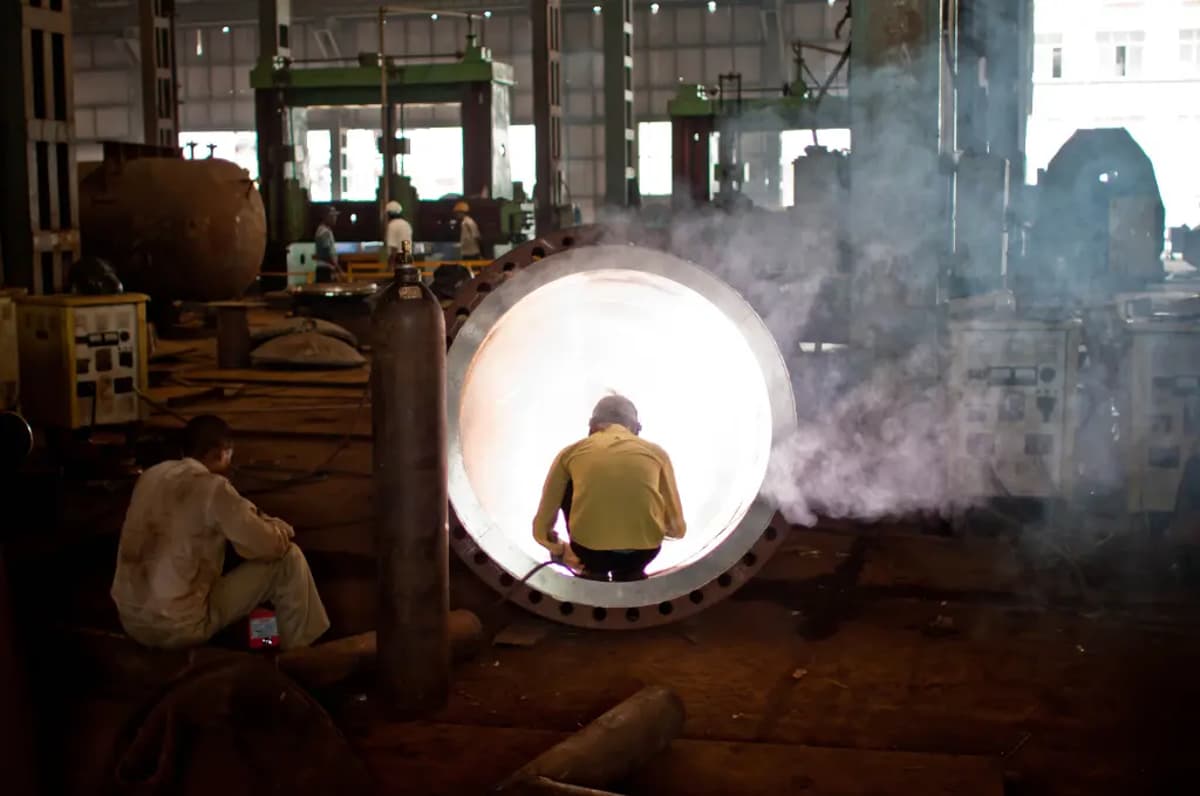
India’s manufacturing backbone rests on millions of micro, small and medium enterprises, yet these firms consume a quarter of the nation’s industrial energy while remaining invisible in policy circles. Good Business Lab’s recent audits of over 60 textile‑dyeing MSMEs in the Kolkata and Tiruppur clusters reveal a startling reliance on solid‑fuel boilers. Each unit burns roughly 2,000 tonnes of wood annually – the equivalent of a football field piled waist‑deep in logs – generating steam for dyeing processes that demand two to three kilograms of steam per kilogram of fabric. This high‑intensity fuel use not only drives operating costs but also creates hazardous indoor environments, with boiler rooms reaching 45‑50 °C and exposing workers to heat stress, ash and smoke.
The audit uncovered significant inefficiencies stemming from outdated, uncertified boilers, wet wood, poor insulation and a lack of basic monitoring. Yet the upside is clear: modest interventions such as moisture‑content checks, boiler‑log maintenance and airflow improvements can save 260‑400 tonnes of wood per plant annually – a 15‑20% reduction. Even a simple airflow upgrade costing about INR 10,000 (≈ USD 120) pays for itself quickly through reduced fuel purchases. These savings translate into lower production costs, reduced emissions, and a healthier workplace, aligning with India’s broader decarbonisation goals.
Despite the clear business case, adoption stalls due to four intertwined barriers. Owners cite limited technical knowledge, cumbersome audit reports and uncertainty about reliable vendors. Financial constraints loom large; delayed buyer payments and thin margins make even low‑cost upgrades feel risky, while many firms lack collateral for loans. Trust deficits further discourage engagement, as external advisors are often viewed as regulators rather than partners. To unlock the sector’s potential, policymakers and financiers must move beyond one‑off audits toward sustained, hands‑on support—leveraging trusted cluster associations, offering ESCO‑style pay‑as‑you‑save contracts, and providing on‑bill financing or ESG‑linked incentives that share risk and demonstrate tangible returns.
Is India’s energy transition failing its MSMEs?
Comments
Want to join the conversation?
Loading comments...