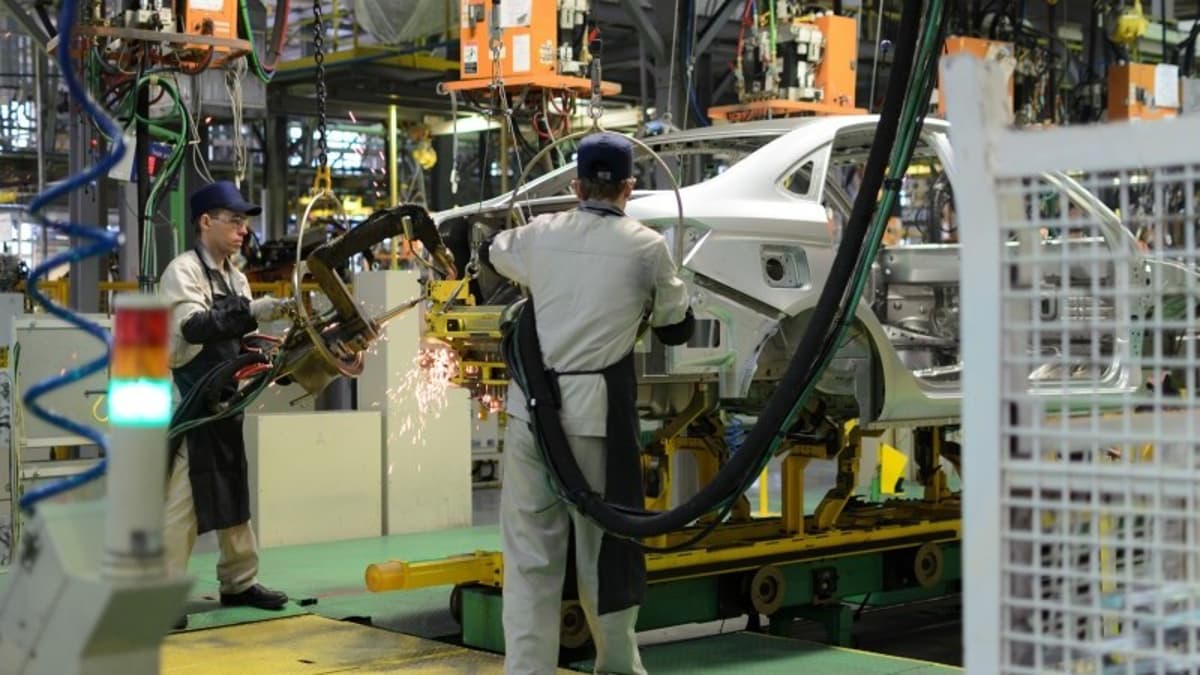
Italian Industrial Production Proves Resilient in April
Why It Matters
The uptick signals that Italy’s manufacturing base can absorb external shocks, supporting a smoother second‑quarter GDP trajectory. It also highlights the interdependence with broader EU industrial sentiment, especially Germany’s performance.
Key Takeaways
- •April industrial output rose 0.5% month‑on‑month, third straight gain
- •Investment and intermediate goods drove growth; consumer goods slipped slightly
- •Machinery and transport equipment remained top sector, boosted by car incentives
- •Chemical production rebounded; refined oil output rose amid Middle East supply shocks
- •EU manufacturing confidence stable; PMI hits strongest level since April 2022
Pulse Analysis
Italy’s April industrial production data underscores a surprising degree of resilience in a region still grappling with geopolitical uncertainty. After a 0.5% month‑on‑month increase, the sector’s momentum is anchored by strong performance in investment‑related goods and a rebound in chemicals, while consumer‑oriented output remains muted. The sustained strength of machinery and transport equipment reflects targeted fiscal incentives, notably subsidies for car purchases, which have buoyed output despite broader demand softness. This nuanced picture suggests that while the manufacturing base can adapt, the recovery is uneven and hinges on policy support.
The Italian figures must be read against the backdrop of the European manufacturing landscape. The EU Commission’s manufacturing confidence index held steady in May, and the PMI registered its highest reading since April 2022, driven by fresh orders and precautionary inventory builds. However, Germany’s sluggish start to the quarter tempers optimism, given the tight supply‑chain links between the two economies. Analysts caution that the current demand boost may be transitory, emphasizing the need for firms to balance optimism with prudence as they navigate potential volatility in global trade and energy markets.
Looking ahead, the modest production gains provide a foothold for Italy to avoid a second‑quarter GDP contraction after a robust first quarter. Yet, the trajectory will depend on the durability of incentives, the resolution of Middle‑East supply disruptions, and the broader euro‑area economic health. Policymakers may need to calibrate fiscal measures to sustain momentum without inflating expectations, while businesses should monitor order flows and inventory levels closely. In sum, Italy’s industrial sector shows signs of steadiness, but the path forward remains contingent on both domestic policy choices and external economic currents.
Italian industrial production proves resilient in April
Comments
Want to join the conversation?
Loading comments...