Kanpur Dehat’s Plastic Products: Local Manufacturing Supporting Irrigation and Utility Networks
•March 9, 2026
0
Why It Matters
The initiative strengthens rural water infrastructure while driving inclusive manufacturing growth, showcasing ODOP’s ability to turn niche commodities into regional economic engines.
Key Takeaways
- •ODOP designates plastic products as Kanpur Dehat’s flagship item
- •Local PVC pipe makers supply irrigation and domestic markets regionally
- •Manufacturing shift creates jobs and upskills rural workforce
- •Training and exhibitions boost product quality and market reach
- •Dealer networks extend district output to multiple states
Pulse Analysis
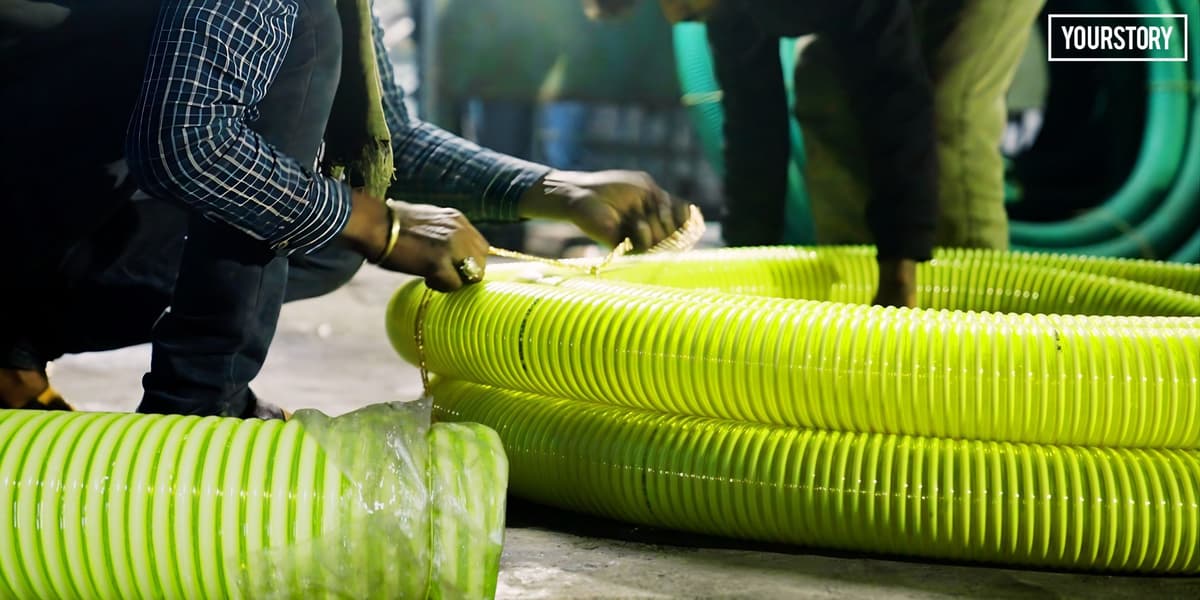
India’s agricultural sector relies heavily on reliable water delivery, and plastic utility components—particularly PVC pipes—have become the backbone of modern irrigation. By classifying plastic products under the One District One Product (ODOP) programme, Kanpur Dehat leverages a policy tool that aligns local raw‑material availability with market demand. This alignment not only reduces logistics costs for farmers but also encourages the adoption of flexible, corrosion‑resistant piping that improves water use efficiency across both smallholder fields and larger agribusinesses.
The manufacturing ecosystem in Kanpur Dehat illustrates how targeted support can catalyze rural industrialisation. Entrepreneurs transition from granule trading to full‑cycle production, employing local technicians for extrusion, quality control, and packaging. Training modules and technical guidance delivered through ODOP have raised product standards, while exhibition participation connects manufacturers directly with end‑users such as cooperatives and municipal bodies. These interventions generate steady employment, foster skill development, and embed a culture of continuous improvement within the district’s workforce.
Beyond the district, an expanding dealer network channels Kanpur Dehat’s PVC sections to markets across Uttar Pradesh and neighboring states, illustrating the scalability of the ODOP model. This distribution reach not only diversifies revenue streams for local firms but also introduces competitively priced, durable piping to regions facing water‑management challenges. While growth is promising, manufacturers must navigate environmental scrutiny surrounding plastic waste, prompting a need for recycling initiatives and eco‑design innovations. Continued policy backing and market diversification will be crucial for sustaining the sector’s momentum and reinforcing India’s broader goal of resilient, technology‑enabled agriculture.
Kanpur Dehat’s plastic products: Local manufacturing supporting irrigation and utility networks
0
Comments
Want to join the conversation?
Loading comments...