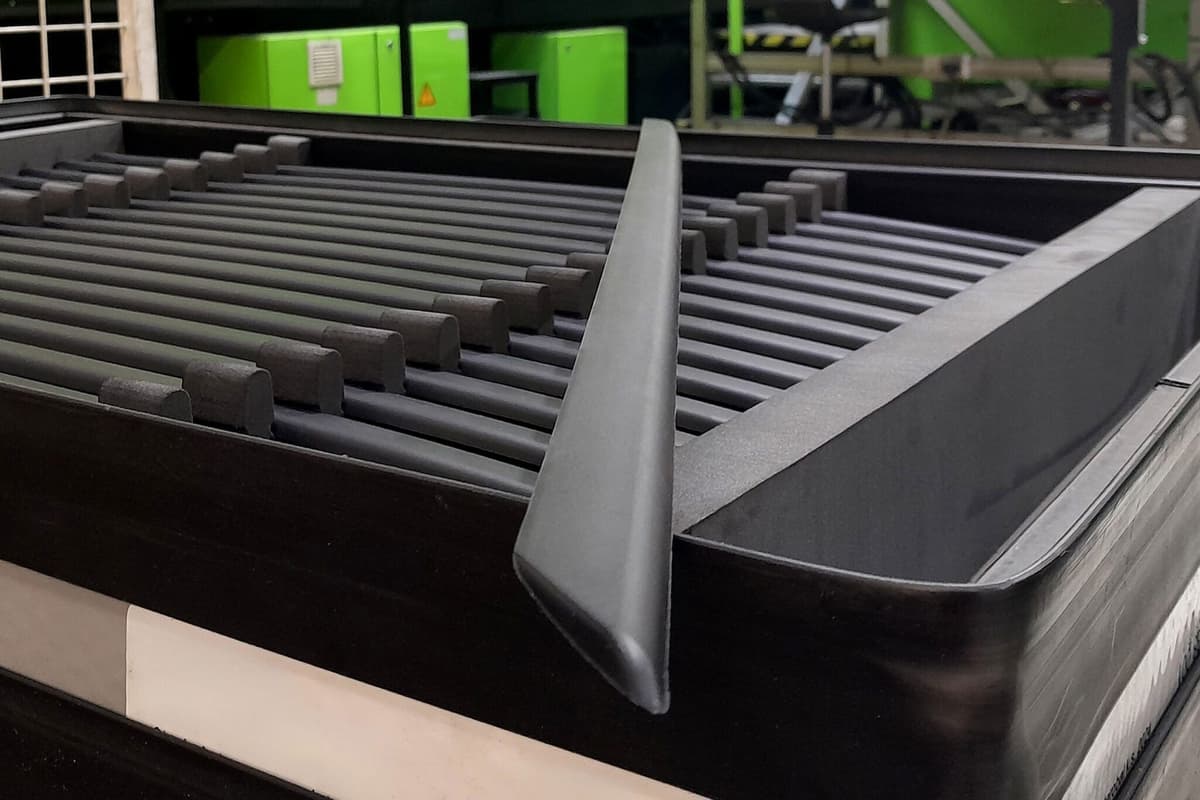
Kraiburg TPE Develops 56% Recycled-Content Sealing Compound
Why It Matters
The compound gives automakers a ready‑to‑use, high‑recycled‑content solution, accelerating compliance with tightening sustainability regulations and consumer expectations. It demonstrates that circular‑economy materials can be introduced without costly re‑engineering, supporting cost‑effective decarbonisation of supply chains.
Key Takeaways
- •56% recycled content from post‑industrial and post‑consumer sources
- •Meets automotive sealing performance and processing standards
- •Developed with SaarGummi, integrates without tooling changes
- •Reduces carbon footprint versus previous formulation
- •Supports OEM sustainability targets and regulatory pressures
Pulse Analysis
Recycling in the automotive sector has moved from a niche initiative to a strategic imperative, driven by stricter emissions legislation and growing consumer demand for greener vehicles. Thermoplastic elastomers (TPEs) are especially attractive because they combine rubber‑like flexibility with the processing ease of plastics, making them ideal for seals, gaskets, and vibration dampers. By incorporating a majority of reclaimed polymer feedstock, manufacturers can lower raw‑material costs and reduce the lifecycle carbon intensity of components, aligning with broader corporate ESG goals.
Kraiburg TPE’s latest sealing compound leverages its THERMOLAST K platform, a proven product line known for durability and temperature resilience. Working closely with SaarGummi, the development team optimized the blend to retain load‑bearing capacity, oil resistance, and temperature stability while integrating recycled granules. Crucially, the material can be processed on existing extrusion and injection‑molding lines, meaning suppliers avoid capital expenditures for new equipment. Early testing confirmed that the recycled variant matches the mechanical performance of virgin‑material seals, a key hurdle that often stalls circular‑economy adoption in high‑volume automotive production.
The introduction of a 56 % recycled‑content seal signals a shift toward mainstream acceptance of sustainable polymers in OEM supply chains. As European and North American regulators tighten recycled‑content mandates, such innovations provide a template for other material suppliers. Automakers can now claim measurable progress toward their carbon‑reduction targets without sacrificing part reliability, potentially accelerating the rollout of low‑emission vehicle platforms. Looking ahead, the success of this compound may spur further R&D investment into higher‑recycled‑content elastomers, reinforcing the industry’s transition to a more circular, climate‑resilient future.
Kraiburg TPE develops 56% recycled-content sealing compound
Comments
Want to join the conversation?
Loading comments...