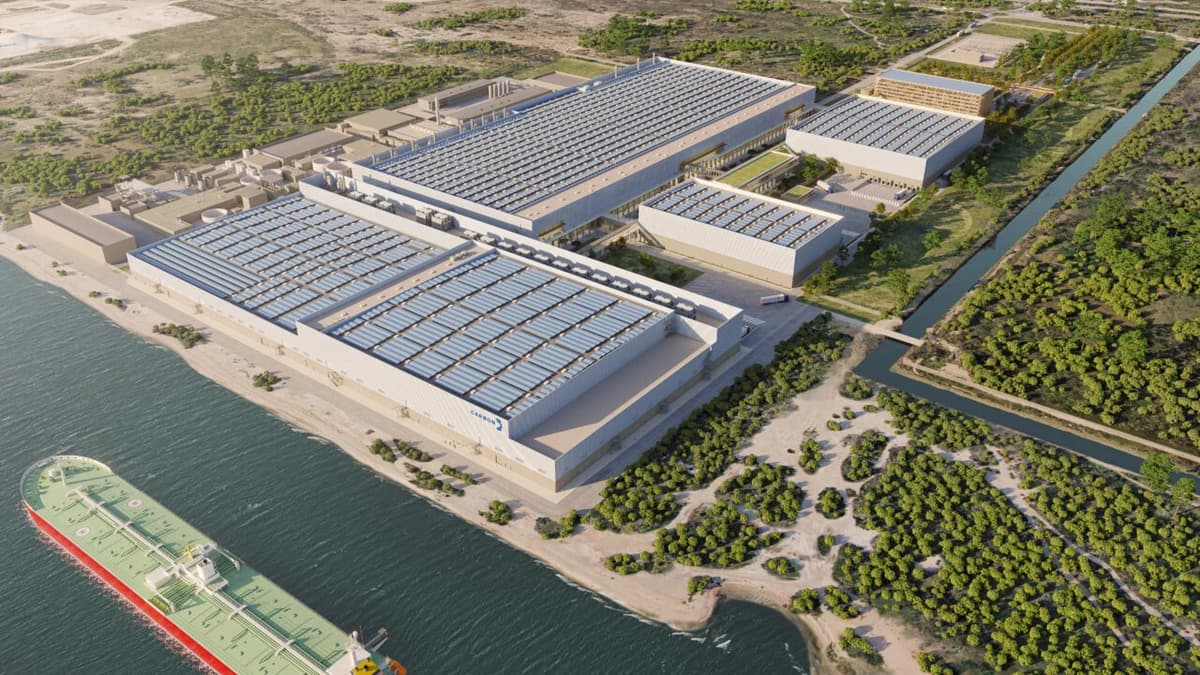
Lack of European Policy Clarity Forces Carbon to Shut Down 5GW Module Plant Plans in France
Companies Mentioned
Why It Matters
Carbon’s withdrawal signals that fragmented EU policy can stall domestic solar capacity expansion, weakening Europe’s bid for a sovereign PV supply chain. The episode may push investors toward regions with clearer incentives, widening the competitive gap with the US and Asia.
Key Takeaways
- •Carbon cancels 5 GW French solar module plant due to policy gaps
- •EU's Industrial Accelerator Act delays European preference until 2030
- •Lack of NZIA support hampers financing for EU solar manufacturing projects
- •Competitors like Resilicon receive net‑zero strategic status, highlighting policy disparity
- •Sunwafe proceeds with 20 GW wafer facility, underscoring uneven regional support
Pulse Analysis
The European Union’s recent policy shifts have left solar manufacturers in a limbo. Carbon’s decision to abandon its 5 GW French plant stems from the Net Zero Industry Act’s limited scope and the Industrial Accelerator Act’s postponement of a "Made in EU" preference until 2030. Without a guaranteed market or preferential treatment, the start‑up could not secure the capital needed for a vertically integrated facility, illustrating how regulatory ambiguity can directly translate into lost projects and jobs.
Across the continent, the policy landscape is uneven. While Carbon stalls, the Dutch government granted net‑zero strategic status to Resilicon’s 13 GW polysilicon venture, offering streamlined permits and financing advice. In Spain, Sunwafe is advancing a 20 GW wafer plant, reflecting regional willingness to back large‑scale PV projects. These disparities contrast sharply with the United States and India, where clear incentives and trade policies have spurred rapid capacity growth, positioning them as the new leaders in solar manufacturing.
For Europe to reclaim a competitive edge, policymakers must deliver consistent, long‑term incentives that de‑risk investment. A clear, continent‑wide definition of "European‑made" solar components, coupled with targeted subsidies and financing mechanisms, would encourage the scale‑up of domestic supply chains. Until such certainty materialises, the EU risks ceding market share to external producers, undermining its climate goals and energy security ambitions.
Lack of European policy clarity forces Carbon to shut down 5GW module plant plans in France
Comments
Want to join the conversation?
Loading comments...