Lockheed Martin Scales LPBF for Thermal Management Parts in Hypersonic and Aircraft Systems
Companies Mentioned
Why It Matters
The move cuts supply‑chain bottlenecks and accelerates delivery of high‑performance, lightweight thermal‑management parts, giving defense programs faster operational readiness and lower lifecycle costs.
Key Takeaways
- •Lockheed Martin opened 16,000‑sq‑ft LPBF facility in Texas
- •Generative design cuts system weight 15‑20 %
- •Heat‑dissipation efficiency up 10‑15 % via LPBF
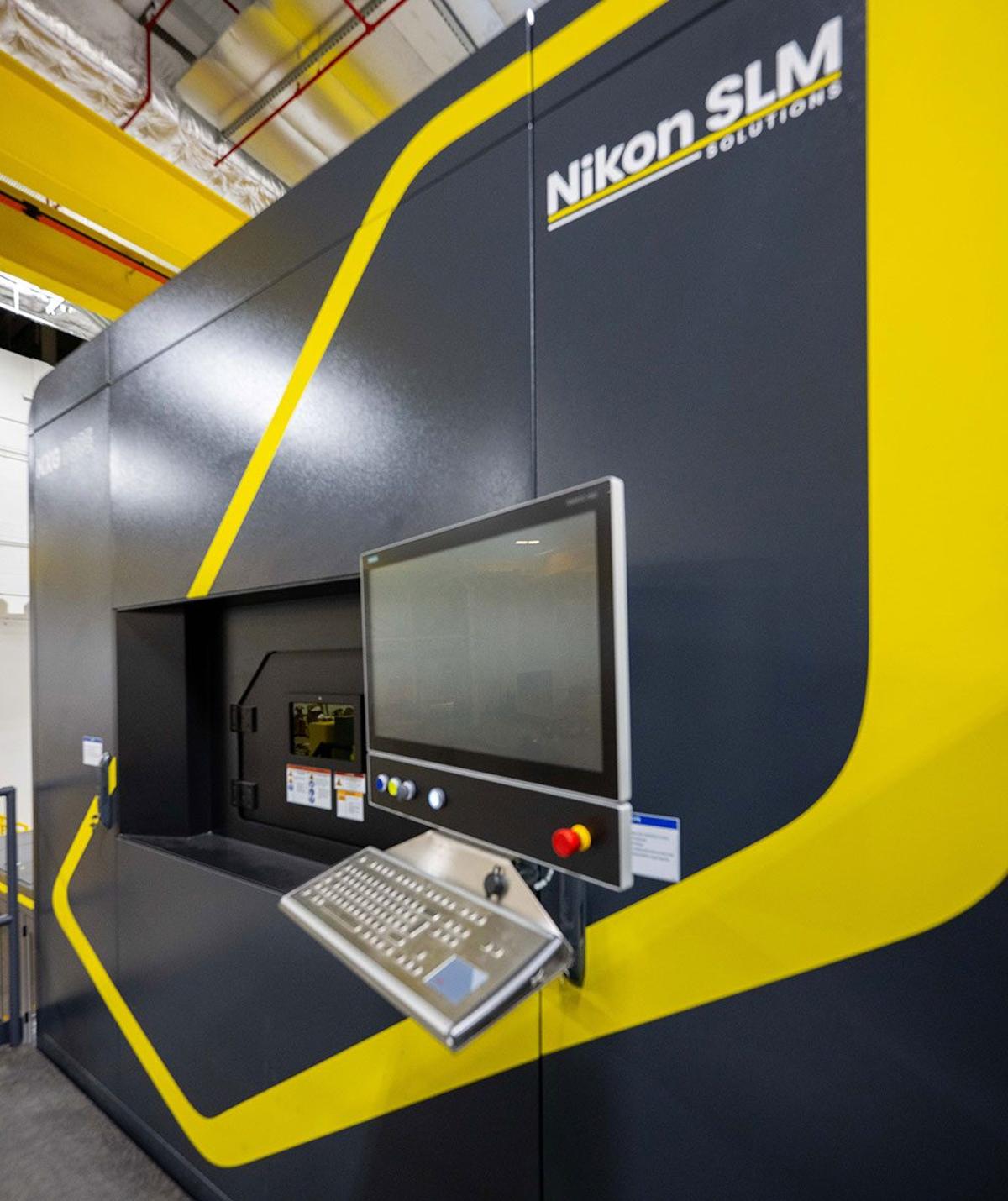
- •Partnerships with EOS, Sintavia, Nikon SLM, nTop accelerate qualification
- •AI‑enabled melt‑pool monitoring reduces inspection workload
Pulse Analysis
Additive manufacturing is reshaping aerospace supply chains, and Lockheed Martin’s latest LPBF expansion underscores that shift. By moving metal 3D‑printing closer to its production lines, the company sidesteps traditional casting, forging and machining delays that have long plagued thermal‑management components. The Texas facility houses some of the nation’s largest multi‑laser machines, enabling rapid prototyping and low‑volume production without costly tooling, a critical advantage for programs that demand quick iteration and resilience against geopolitical disruptions.
The collaboration with EOS, Sintavia, Nikon SLM and nTop brings together cutting‑edge hardware, materials science and generative‑design software. nTop’s parametric optimization has already delivered a 15‑20% reduction in overall system weight and a 10‑15% increase in heat‑dissipation efficiency, directly translating into longer mission endurance for hypersonic vehicles and electric‑propulsion aircraft. Real‑time melt‑pool monitoring and AI‑driven defect detection further tighten tolerances, allowing parts to meet stringent aerospace certification standards while cutting post‑process inspection time.
Beyond Lockheed Martin, the initiative reflects a broader policy push, exemplified by the Biden administration’s AM Forward program, to harden U.S. manufacturing against supply‑chain shocks. As defense contractors like GE Aviation and Honeywell adopt similar strategies, LPBF is poised to become a mainstream production method rather than a niche prototyping tool. The resulting agility—faster design‑to‑flight timelines, reduced material waste, and scalable production—could set a new benchmark for the aerospace and defense industry’s future competitiveness.
Lockheed Martin Scales LPBF for Thermal Management Parts in Hypersonic and Aircraft Systems
Comments
Want to join the conversation?
Loading comments...