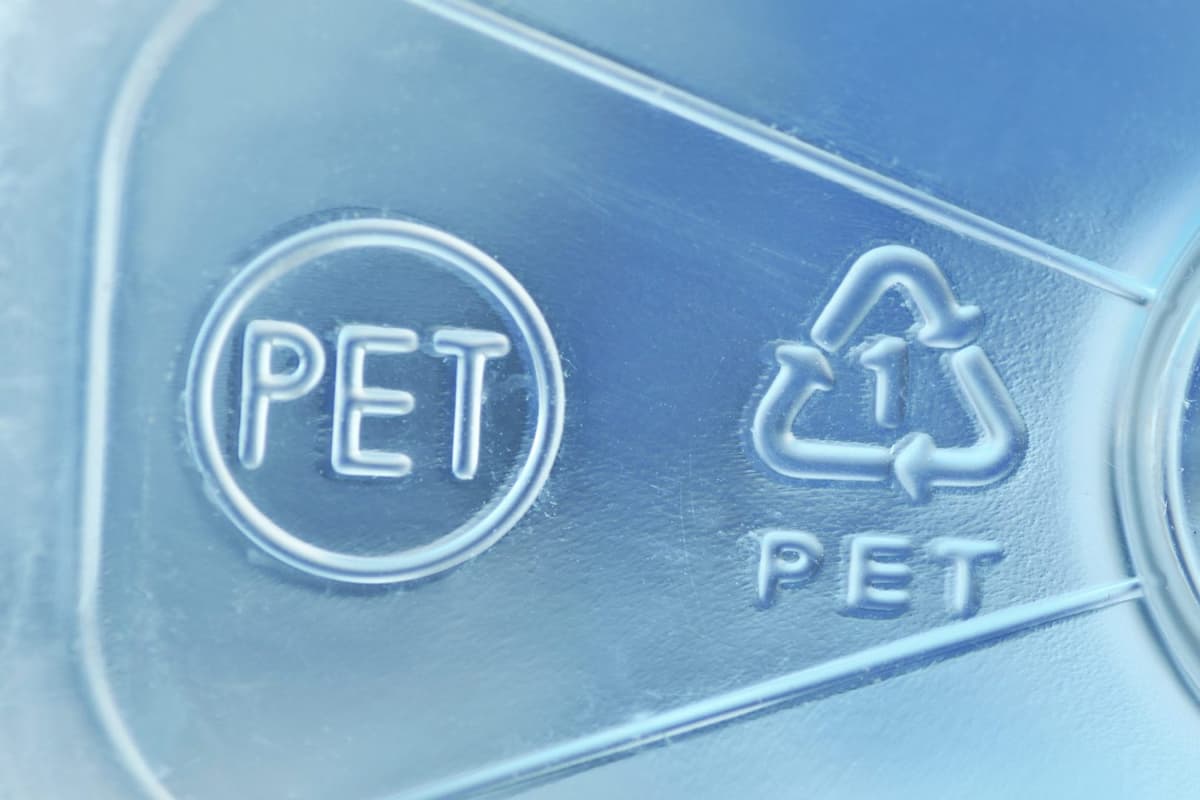
Loop Targets Textile Recycling Scale-Up with India Facility
Why It Matters
The deal accelerates India’s push toward large‑scale textile recycling, offering a scalable solution to mounting polyester waste while opening new growth avenues for Loop and its investors.
Key Takeaways
- •Loop signs MoU with Gujarat for textile recycling plant in Bharuch
- •First commercial‑scale Loop textile‑textile recycling facility in India
- •Government support includes land, incentives, and regulatory facilitation
- •Plant will convert polyester waste into virgin‑quality fiber
- •Project aligns with India’s circular‑economy and waste‑reduction goals
Pulse Analysis
Loop Industries, a North‑American chemical company known for its patented depolymerisation technology, has long positioned itself as a catalyst for a circular textile economy. By breaking down polyester into its molecular components and rebuilding it into virgin‑quality fiber, Loop offers a low‑carbon alternative to traditional virgin polyester production. The company already operates commercial plants in North America and Europe, and the new partnership with Gujarat signals its strategic expansion into Asia’s largest textile market.
India faces one of the world’s biggest textile waste challenges, generating an estimated 15 million metric tons of polyester waste annually. The government’s recent circular‑economy initiatives, including tax incentives and streamlined permitting for recycling projects, aim to curb landfill use and reduce greenhouse‑gas emissions. Gujarat’s Bharuch industrial corridor, with its robust logistics infrastructure and access to a skilled workforce, provides an ideal location for Loop’s first Indian plant, potentially unlocking significant waste‑to‑fiber capacity.
The Gujarat facility could reshape supply chains by supplying locally sourced, recycled polyester to Indian apparel manufacturers, reducing reliance on imported virgin fibers and lowering production costs. For investors, the project underscores the growing commercial viability of textile recycling and may spur further private‑public collaborations in emerging markets. As sustainability standards tighten globally, Loop’s expansion into India positions it to capture a larger share of the $10 billion‑plus recycled textile market, while contributing to broader environmental goals.
Loop targets textile recycling scale-up with India facility
Comments
Want to join the conversation?
Loading comments...