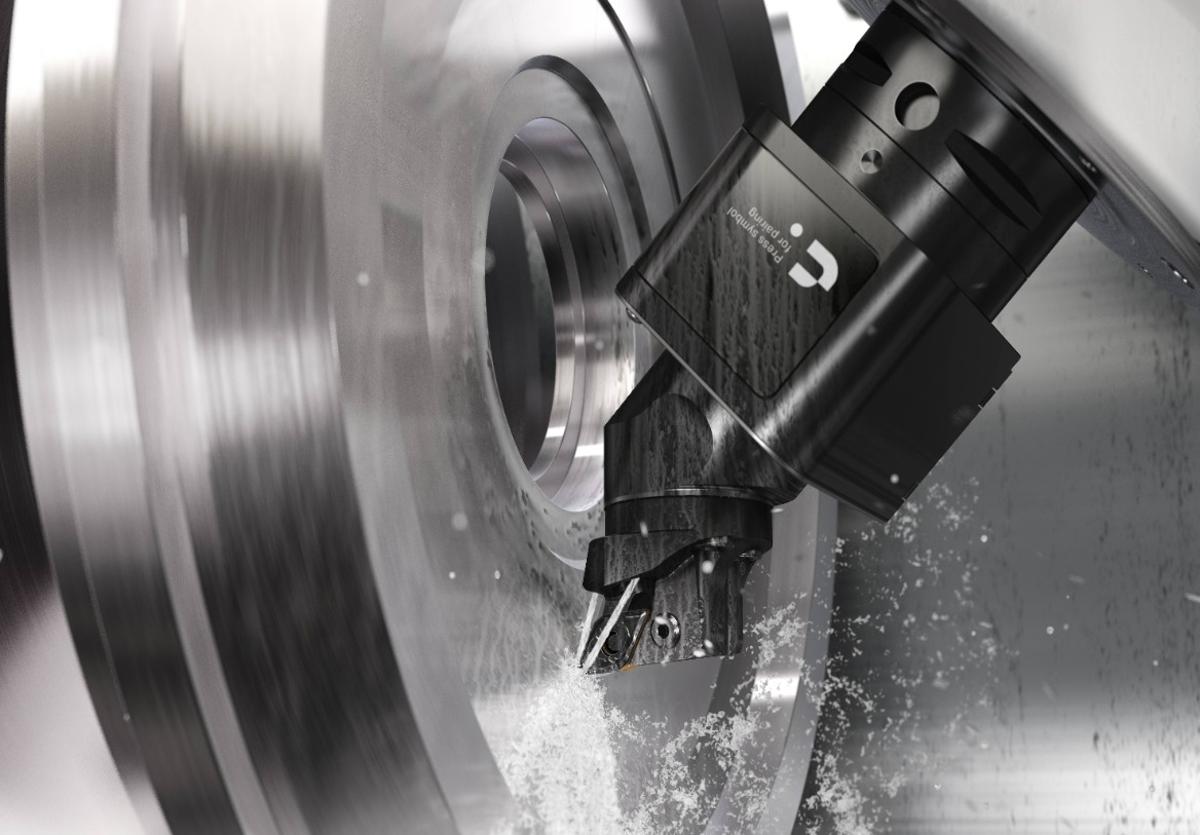
Manufacturing Automation’s ‘Blind Spot’ Remains at the Cut, Says Sandvik Coromant
Companies Mentioned
Why It Matters
Real‑time tool‑tip monitoring transforms machining from a reactive to a proactive process, boosting productivity and reducing downtime while preserving critical knowledge in a tightening labor market.
Key Takeaways
- •Sensorized tooling adds real‑time force, vibration monitoring at the cutting tip
- •Real‑time data enables automatic pauses, parameter tweaks, and tool changes
- •Extends unattended “lights‑out” production by reducing unplanned downtime
- •Improves tool‑life decisions, cutting waste from premature or overdue replacements
- •Captures machining knowledge, aiding training amid skilled‑worker shortages
Pulse Analysis
Manufacturers have embraced automation at the plant level—robotic arms, IoT‑linked machines and production dashboards dominate modern factories. Yet the critical moment where a cutting tool meets metal remains largely invisible, forcing operators to rely on experience and post‑process inspection. Sandvik Coromant’s sensorized tooling inserts miniature sensors directly into the tool holder, turning the cutting edge into a live telemetry hub. This shift mirrors broader trends in smart manufacturing, where data is no longer a peripheral add‑on but a core control element.
The immediate payoff of real‑time monitoring is twofold. First, it enables closed‑loop control: if force spikes or chatter exceed predefined thresholds, the system can automatically pause the job, adjust feed rates, or swap the tool, dramatically cutting unplanned stoppages. Second, it refines tool‑life management. Instead of replacing inserts on a fixed schedule or after a failure, manufacturers can track wear patterns and intervene precisely when performance degrades, reducing scrap and extending overall productivity. For plants grappling with a 74 % skilled‑worker shortage, the recorded signal traces become a knowledge repository, supporting training and cross‑shift consistency.
Looking ahead, sensorized tooling paves the way for "lights‑out" factories where machines run unattended for weeks. As the data stream integrates with machine‑level controllers, decisions shift from human operators to algorithms, delivering faster, more reliable corrective actions. Industry analysts predict that firms adopting this level of process visibility will gain a competitive edge in cost per part and throughput, accelerating the broader transition to fully autonomous manufacturing ecosystems.
Manufacturing automation’s ‘blind spot’ remains at the cut, says Sandvik Coromant
Comments
Want to join the conversation?
Loading comments...