Material World: Pangaia’s Biobased Performance Push Persists
Companies Mentioned

Why It Matters
These advances collectively reduce water consumption, greenhouse‑gas emissions, and reliance on fossil‑based fibers, accelerating the fashion industry’s transition to a circular, low‑carbon model.
Key Takeaways
- •Xefco's Ausora cuts dyeing water use to zero
- •(gaia)BioStretch is 72% corn‑based nylon, 70% renewable elastane
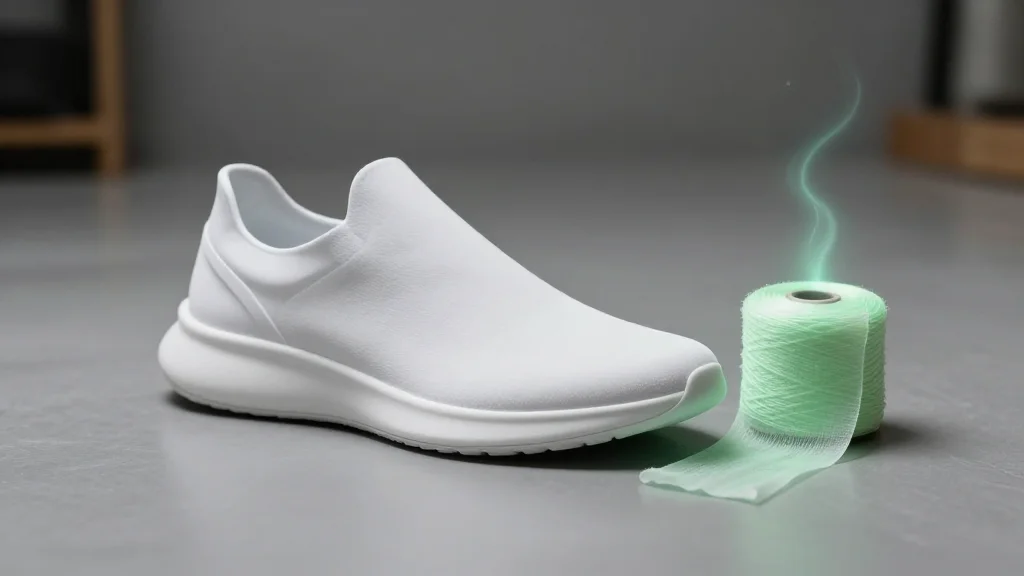
- •Ecco's BIOM 720 sneaker uses leather waste‑derived protein fiber
- •Hyosung invests $1 billion in Vietnam biobased elastane plant
Pulse Analysis
Water scarcity and carbon intensity have long plagued textile manufacturing, but the emergence of plasma‑based dyeing technology signals a turning point. Xefco’s Ausora system replaces traditional wet processes with a single‑step vapor deposition that embeds pigments directly into fibers, eliminating wastewater and slashing energy use by 90%. Early deployments in Indonesia and Vietnam demonstrate that industrial‑scale adoption is feasible, offering manufacturers a clear pathway to meet tightening environmental regulations and cost pressures.
At the same time, biobased polymers are gaining traction as viable alternatives to petroleum‑derived synthetics. Pangaia’s (gaia)BioStretch combines 72% corn‑derived nylon with elastane that contains roughly 70% renewable content, delivering the stretch and durability demanded by performance apparel without virgin oil inputs. Complementary innovations, such as Ecco’s protein‑based sneaker fiber sourced from leather shavings, illustrate how waste streams can be up‑cycled into high‑performance textiles, further reducing the sector’s material footprint.
The momentum is now backed by significant capital commitments. Hyosung’s $1 billion investment in a Vietnam‑based biobased elastane plant underscores confidence that large‑scale, low‑carbon stretch fibers can meet global demand. Coupled with initiatives like Natural Fiber Welding’s fully biobased outsole compound and Ponda’s wetland‑derived insulation, the industry is building a diversified portfolio of sustainable materials. These developments not only address regulatory and consumer pressures but also open new revenue streams, positioning early adopters to capture market share in a rapidly greening fashion landscape.
Material World: Pangaia’s Biobased Performance Push Persists
Comments
Want to join the conversation?
Loading comments...