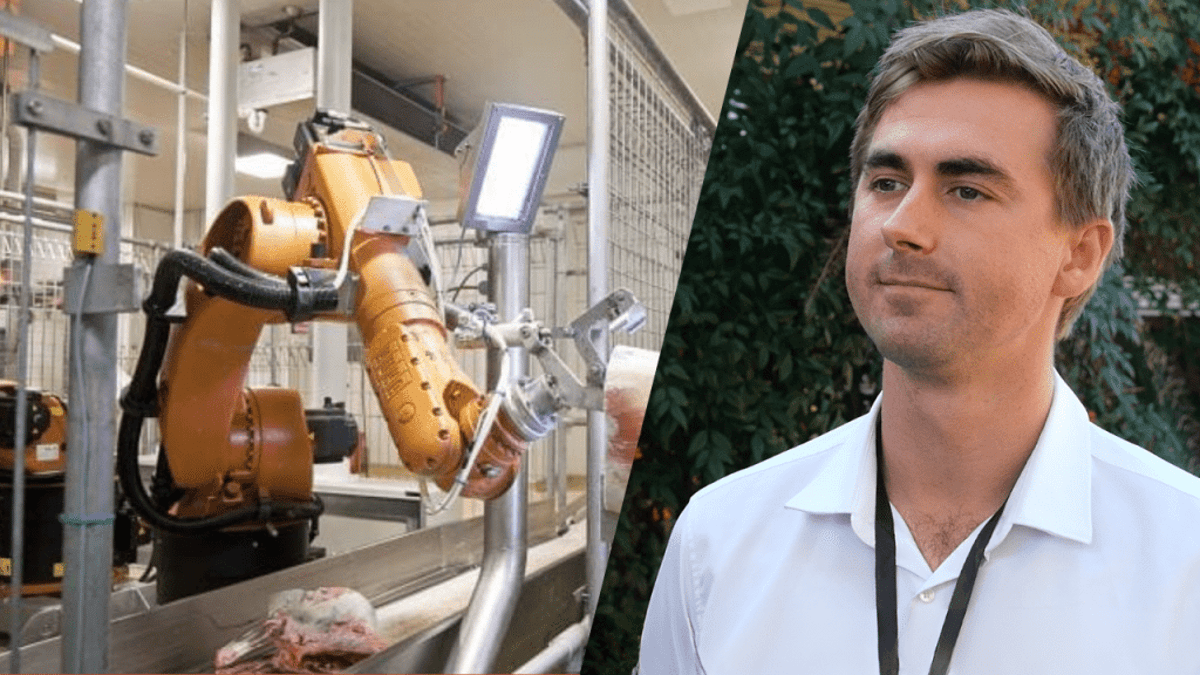
Meat Processing Robots Have a People Problem: This Program Is Addressing It
Why It Matters
Without a pipeline of technically skilled workers, the costly automation investments risk under‑performance, threatening productivity gains across Australia’s meat supply chain. The initiative also demonstrates how industry‑led education can sustain regional economies while accelerating AI‑driven processing innovations.
Key Takeaways
- •Australian meat processors invest millions in robotics and AI
- •Skills shortage threatens maintenance of new automation
- •AMPC launches STEM program for secondary students to fill gap
- •Students pitch projects in “shark‑tank” format to industry judges
- •AI needed to handle beef variability beyond traditional automation
Pulse Analysis
The Australian red‑meat sector is at a pivotal moment, channeling significant capital into robotic arms, vision systems, and machine‑learning platforms. While these technologies promise higher yields and lower labor costs, they also introduce a new dependency on specialized technicians who can keep the machines humming around the clock. Unlike automotive assembly lines, meat processing involves irregular cuts and live‑animal variables, making downtime especially costly. This investment surge underscores a broader trend: traditional manufacturing automation is expanding into food production, demanding a fresh skill set that blends mechanical know‑how with data science.
Recognising the talent gap, the Australian Meat Processor Corporation has rolled out a hands‑on STEM initiative targeting high‑school students in regional communities. Participants spend a day on the shop floor, attend workshops led by engineers, and then present innovative ideas to a panel of industry judges in a format reminiscent of television’s "Shark Tank." By exposing students to real‑world challenges before they commit to university, the program aims to retain technical talent locally, reducing the brain‑drain to Sydney, Melbourne or Brisbane. Early data suggests the scheme is sparking interest in careers that blend robotics, AI, and agricultural expertise, offering a pipeline of future service technicians and system integrators.
Looking ahead, artificial intelligence is poised to bridge the gap between rigid automation and the nuanced nature of beef processing. AI algorithms can interpret sensor data in real time, adjusting cutting paths to accommodate variations in muscle density, fat distribution, and carcass shape—tasks that static programming cannot handle. This adaptive capability could unlock efficiencies comparable to those already realized in pork and poultry lines. For investors and operators, the convergence of robotics and AI not only safeguards the return on automation spend but also positions Australia’s meat industry to meet rising global demand with consistent quality and lower waste. The success of such technology hinges on a workforce that can develop, maintain, and continuously improve these intelligent systems.
Meat processing robots have a people problem: This program is addressing it
Comments
Want to join the conversation?
Loading comments...