Mercedes‑Benz Unveils Battery‑Electric GLC with 23% Production Emissions Cut

Companies Mentioned
Why It Matters
The GLC’s launch illustrates how automotive manufacturers can fuse electrification with deep‑level circular‑economy practices, a combination that could redefine industry standards for carbon accounting. By mandating renewable‑aluminum, high‑recycled‑content thermoplastics and net‑zero battery cells, Mercedes‑Benz forces its sprawling supplier network to adopt greener processes, potentially accelerating emissions cuts across the entire value chain. If other OEMs replicate this model, the ripple effect could reshape raw‑material markets, drive demand for low‑carbon aluminum and recycled polymers, and push battery producers toward cleaner energy mixes. The result would be a more resilient, climate‑aligned manufacturing ecosystem that aligns with tightening global regulations and growing consumer expectations for sustainable mobility.
Key Takeaways
- •Mercedes‑Benz’s electric GLC 400 4MATIC cuts production emissions by 23%
- •Lifecycle carbon footprint reduced by two‑thirds versus gasoline GLC
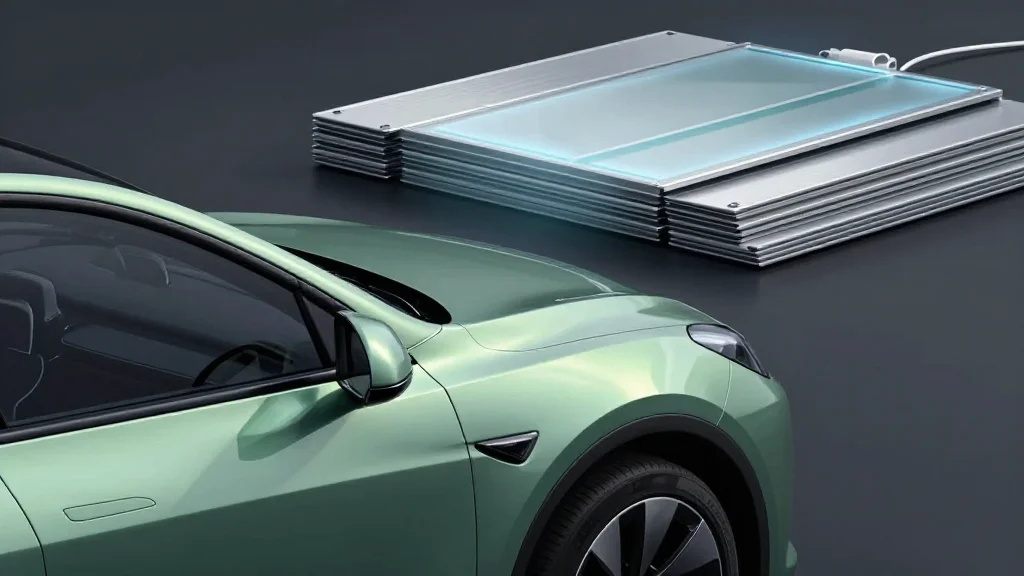
- •Battery cells sourced from net‑carbon‑neutral producers
- •Aluminum supply partnership with Norsk Hydro lowers CO₂ footprint up to 90% by 2030
- •Thermoplastic content increased five‑fold, with 134 lb (61 kg) of recycled material used in 300 parts
Pulse Analysis
Mercedes‑Benz’s GLC strategy marks a decisive shift from token sustainability gestures to systemic, supply‑chain‑wide transformation. Historically, automakers have focused on vehicle‑level efficiency—lightweighting, hybrid powertrains, or modest recycling rates—while leaving upstream emissions largely untouched. By embedding quantitative targets into supplier contracts and securing low‑carbon aluminum through Norsk Hydro, Mercedes‑Benz is effectively monetizing carbon reduction, turning it into a competitive differentiator.
The move also reflects a broader market inflection: investors and regulators are demanding verifiable, scope‑3 emissions data. Mercedes‑Benz’s detailed reporting—23% production savings, 40% battery‑cell carbon cut, and precise thermoplastic mass—provides the transparency needed to satisfy ESG metrics and may unlock favorable financing terms. Competitors that lag in supplier integration risk higher compliance costs and potential brand erosion as consumers gravitate toward demonstrably greener options.
Looking forward, the scalability of this model will hinge on two factors. First, the cost premium of renewable‑energy‑derived aluminum and net‑zero battery cells must be absorbed without eroding profit margins, a challenge that will test the economics of high‑volume EV production. Second, the industry’s ability to standardize recycled‑material specifications will determine whether the thermoplastic gains seen in the GLC can become a baseline across all segments. If Mercedes‑Benz can prove that these sustainability investments deliver both environmental and financial returns, the blueprint could become the new manufacturing norm for the auto sector.
Mercedes‑Benz Unveils Battery‑Electric GLC with 23% Production Emissions Cut
Comments
Want to join the conversation?
Loading comments...