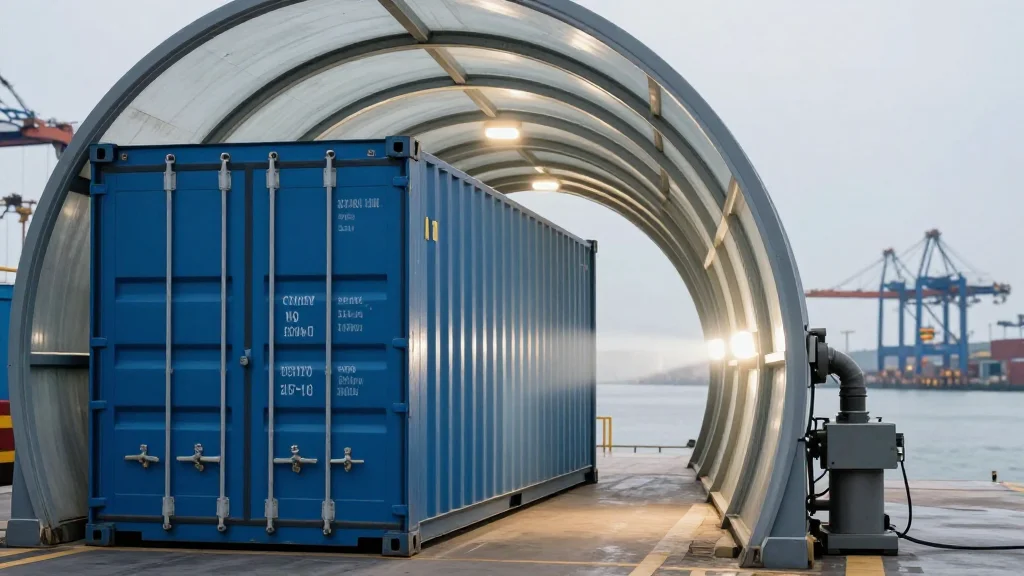
Mid-Term Money-Saver: DOT Wants to Pre-Screen Containers to Speed Supply Chain
Why It Matters
By cutting bottlenecks, the initiative could lower logistics costs and improve price stability for consumers, a critical factor as inflation pressures influence the 2026 midterm election landscape.
Key Takeaways
- •DOT proposes pre‑screening 52 million annual containers.
- •Pre‑screening could cut freight delays and lower logistics costs.
- •Initiative builds on FLOW program and Biden-era freight plans.
- •Congress must fund the program via the 2025 NDAA.
- •Only 3‑5% of containers currently receive physical inspections.
Pulse Analysis
Pre‑screening import containers mirrors the airline industry’s trusted traveler model, where vetted passengers breeze through security checkpoints. By extending a similar risk‑based assessment to the 52 million containers that flow through U.S. ports each year, the Department of Transportation hopes to create a transparent, data‑driven dashboard that flags high‑risk shipments before they reach the dock. This proactive approach could shrink the average dwell time for cargo, allowing shippers to better synchronize inbound inventories with downstream production schedules.
The economic implications are significant. Faster clearance translates into lower demurrage fees, reduced inventory carrying costs, and ultimately cheaper consumer goods—a pressing concern as food and fuel prices remain volatile. Moreover, a smoother supply chain eases pressure on the transportation workforce, which has faced talent shortages and rising labor costs. Politically, the initiative arrives at a moment when voter sentiment on inflation is shaping the 2026 midterm races, giving policymakers a tangible policy lever to showcase cost‑saving action.
Implementation, however, hinges on congressional approval and adequate funding, likely through the upcoming National Defense Authorization Act. The program will need to integrate with existing frameworks such as the Freight Logistics Optimization Works (FLOW) and the National Freight Strategic Plan, ensuring data sharing across customs, port authorities and private logistics platforms. If successfully deployed, the pre‑screening model could set a new benchmark for supply‑chain efficiency, prompting other nations to adopt similar risk‑based inspection regimes.
Mid-term money-saver: DOT wants to pre-screen containers to speed supply chain
Comments
Want to join the conversation?
Loading comments...