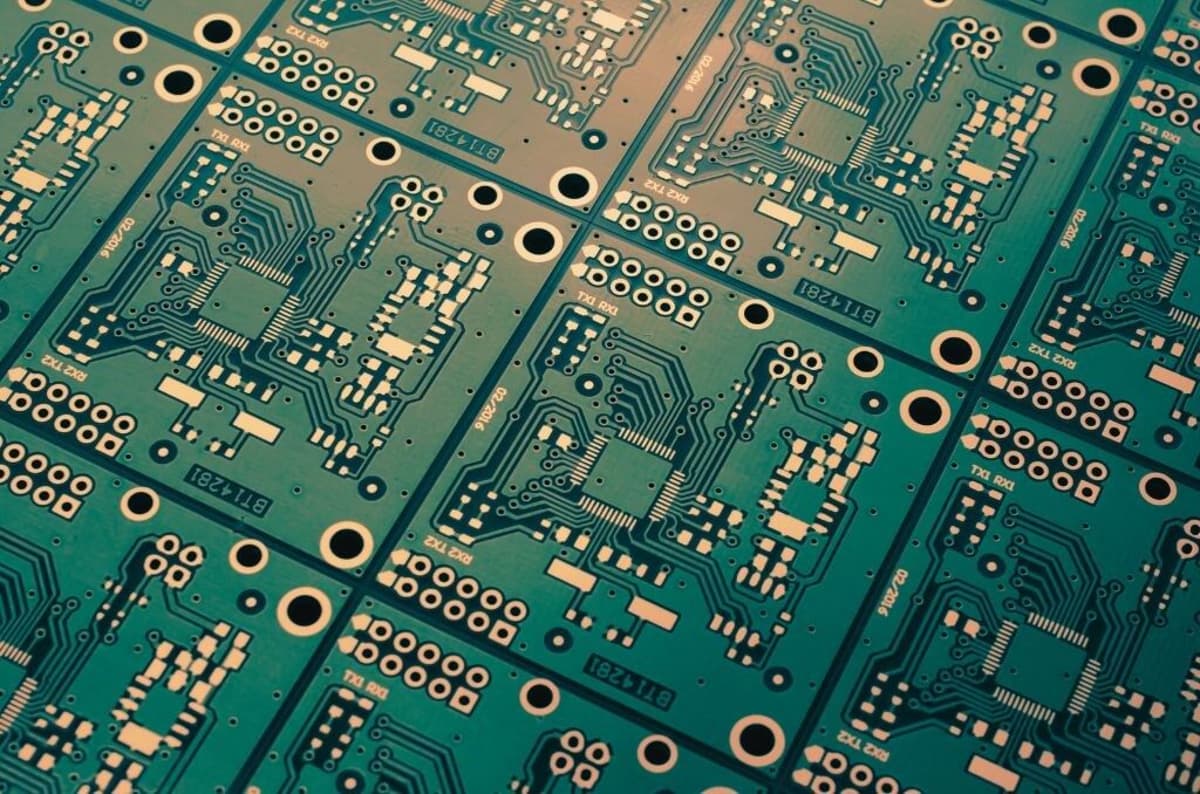
Middle East Conflict Disrupts PCB Resin Supply, Raising Electronics Cost Risks
Companies Mentioned
Why It Matters
The resin bottleneck amplifies concentration risk in the electronics supply chain, pushing up end‑product costs and potentially delaying launches of high‑margin devices. Stakeholders from component makers to consumer brands must brace for tighter margins and longer procurement cycles.
Key Takeaways
- •Jubail supplies ~70% of global high‑purity PPE resin.
- •PCB prices jumped up to 40% amid resin shortage.
- •Lead times for epoxy resin stretched to 15 weeks.
- •No direct substitute for high‑performance PPE resin exists.
- •U.S. PCB share fell to ~4%, heightening concentration risk.
Pulse Analysis
The Middle East’s dominance in high‑purity PPE resin production has long been a quiet linchpin of the global electronics supply chain. Jubail’s facilities, responsible for about seven‑tenths of worldwide output, illustrate how geographic concentration can turn a regional conflict into a systemic risk. When a single complex is incapacitated, downstream manufacturers scramble for scarce inventory, driving price spikes and exposing the fragility of a market that relies on a handful of specialized petrochemical plants.
For downstream sectors, the ripple effects are immediate. PCB manufacturers report price increases of 5%‑25% on finished boards, while raw‑material lead times have ballooned to 15 weeks, far beyond the typical three‑week window. Those cost pressures cascade to consumer electronics, data‑center hardware, and automotive systems, where high‑frequency, high‑reliability boards are non‑negotiable. As a result, OEMs may face higher bill‑of‑materials and delayed product rollouts, eroding profit margins in an already competitive landscape.
Mitigation will require both short‑term and strategic actions. In the near term, firms are exploring lower‑frequency PTFE or epoxy laminates for less demanding applications, though these cannot fully replace PPE’s performance envelope. Longer‑term solutions involve diversifying resin sources, investing in alternative chemistries, and reshoring critical material capabilities to reduce geopolitical exposure. Industry analysts warn that without such diversification, future geopolitical shocks could repeatedly amplify costs across the entire electronics ecosystem.
Middle East conflict disrupts PCB resin supply, raising electronics cost risks
Comments
Want to join the conversation?
Loading comments...