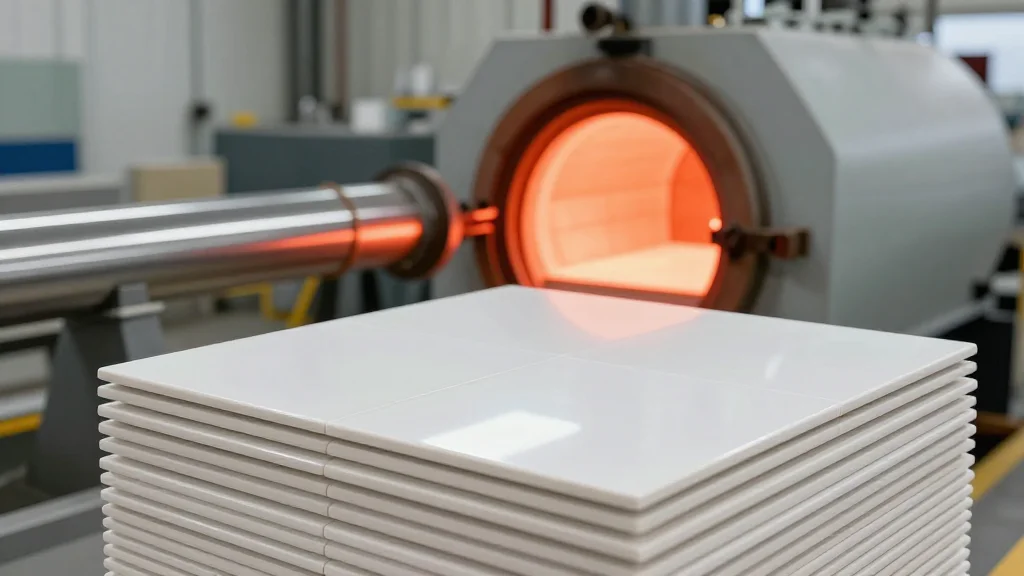
Morbi’s Ceramic Industry Restarts on Expensive PNG; Units Raise Prices by 40%
Why It Matters
The steep fuel‑cost pass‑through threatens demand and margins, risking a slowdown in India’s largest ceramic hub and pressuring investors to reassess exposure to the sector’s volatility.
Key Takeaways
- •250‑300 Morbi units resume using costly piped natural gas
- •PNG price jumped to $0.88 per scm, up 75%
- •Ceramic tile prices rose 40%, reaching $0.35 per sq ft
- •Smaller manufacturers face 25‑30% price hikes, tightening margins
- •Order books remain thin, risking further production cuts
Pulse Analysis
Morbi’s ceramic cluster has long been the backbone of India’s tile market, accounting for more than four‑fifths of national output. The recent West Asia conflict disrupted propane and LNG shipments, forcing over 700 plants to shut for weeks. As the region stabilises, the cluster is only partially back online, with roughly 250‑300 units operating on piped natural gas (PNG). This fuel switch comes at a steep price: Gujarat Gas lifted PNG tariffs from ₹41.5 ($0.50) to ₹73 ($0.88) per standard cubic metre, a 75% increase that fundamentally reshapes cost structures for tile makers.
The immediate consequence is a sharp pass‑through to end‑users. Tile manufacturers have raised prices by at least 40%, moving the average cost from ₹20 ($0.24) to ₹28‑30 ($0.34‑$0.36) per square foot. While larger brands can absorb some of the shock, smaller players—who previously competed on lower pricing—are forced to impose 25‑30% hikes, eroding already thin margins. The higher price point is curbing demand, as buyers pause projects amid uncertainty about construction spending and credit availability. Inventory levels have contracted, and firms are reluctant to rebuild stock until fuel prices stabilise.
Looking ahead, the sector faces a delicate balancing act. Analysts expect the elevated PNG rates to persist for three to four months, after which they may track broader LNG and propane trends. Order books remain thin, and payment cycles could tighten, echoing post‑COVID credit strains. Investors should monitor fuel‑price trajectories, inventory policies, and the pace of unit re‑activation, as these variables will dictate whether Morbi can regain its growth momentum or slip into a prolonged downturn.
Morbi’s ceramic industry restarts on expensive PNG; units raise prices by 40%
Comments
Want to join the conversation?
Loading comments...