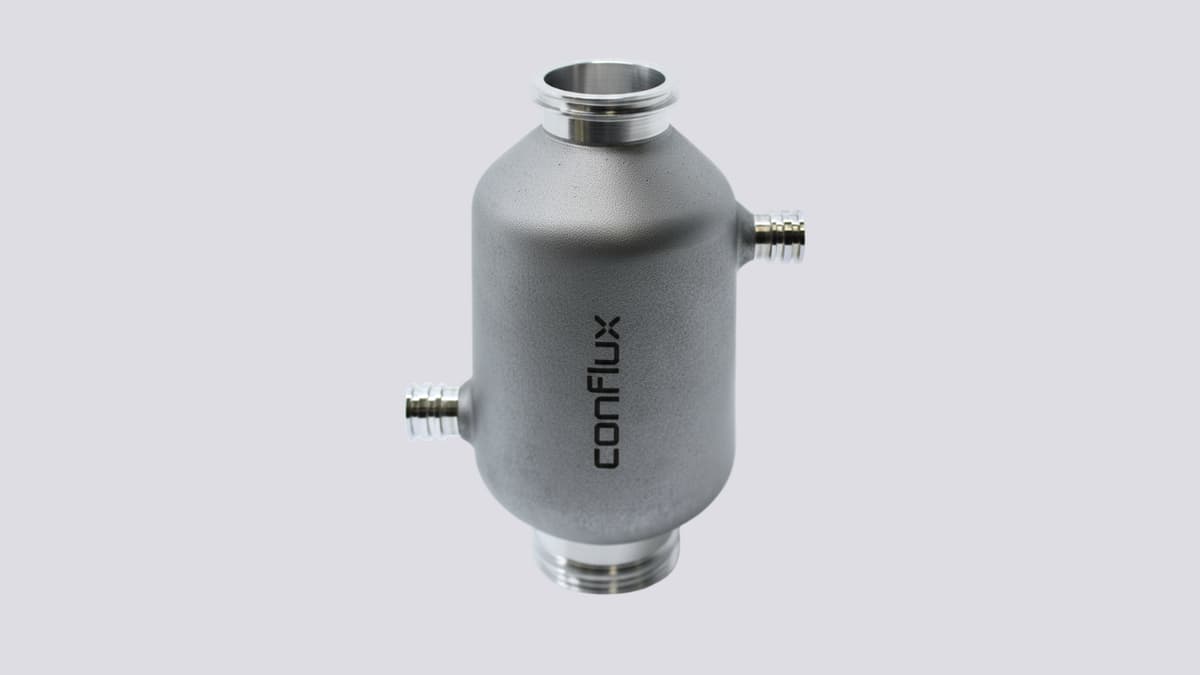
Multimatic Motorsports Goes the Distance with Conflux 3D Printed Oil Cooler
•February 25, 2026
0
Why It Matters
The breakthrough demonstrates that additively manufactured thermal components can be rapidly deployed with superior performance, reshaping cooling strategies in high‑stress automotive and aerospace applications. It signals a shift toward on‑demand, lightweight heat exchangers that reduce development cycles and cost.
Key Takeaways
- •3D printed cooler cut development time to two weeks
- •Achieved ~20% higher heat rejection than prior solution
- •Configurable core adapts to varied race boundary conditions
- •Lightweight design improves gearbox temperature control in endurance races
- •Technology now offered to OEMs and racing teams worldwide
Pulse Analysis
Additive manufacturing is redefining motorsport engineering by collapsing design cycles that once spanned months into weeks. Conflux Technology’s 3D‑printed oil cooler exemplifies this trend, marrying a configurable core platform with lattice‑optimized channels that maximize thermal conductivity while minimizing pressure loss. The rapid two‑week production not only met the tight schedule of an endurance program but also delivered a compact, lightweight package that fits within the cramped confines of a race car’s transmission housing.
From a performance standpoint, the Conflux cooler generated roughly 20% more heat rejection compared with the incumbent solution, keeping gearbox oil temperatures stable throughout the grueling race. By integrating the cooler into a shared water circuit, the system leveraged engine coolant to efficiently dissipate heat, a critical factor in endurance events where thermal fatigue can dictate outcomes. The reliability demonstrated on the track validates the broader claim that 3D‑printed heat exchangers can endure the most demanding operating environments without compromising durability.
Beyond the racetrack, the technology’s configurability opens doors for automotive OEMs seeking bespoke thermal solutions for electric and hybrid powertrains, where space and weight constraints are paramount. Aerospace partners such as Airbus and Honeywell are already exploring similar additively manufactured exchangers for next‑generation aircraft, underscoring a cross‑industry appetite for rapid, high‑performance heat management. As supply chains gravitate toward on‑demand production, Conflux’s platform positions itself as a catalyst for a new era of lightweight, efficient thermal components across multiple sectors.
Multimatic Motorsports goes the distance with Conflux 3D printed oil cooler
0
Comments
Want to join the conversation?
Loading comments...