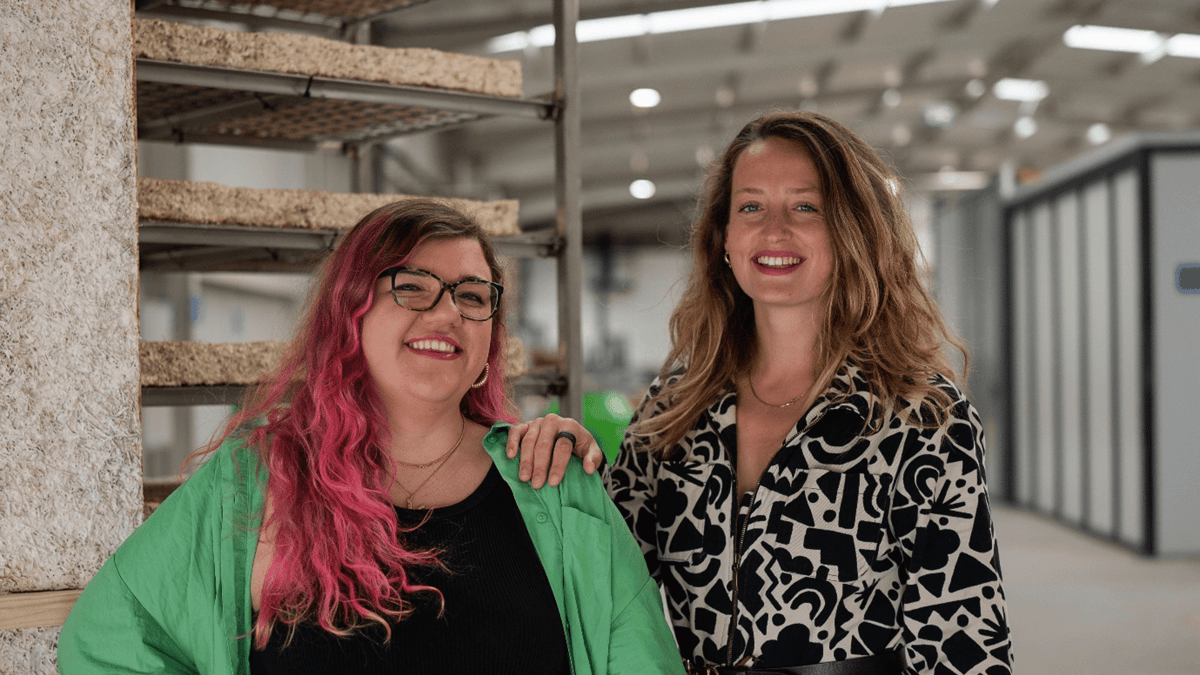
Mykor Lands £4M to Scale Waste-Based Construction Materials
Companies Mentioned

Why It Matters
The investment speeds deployment of carbon‑reducing building materials as regulators tighten emissions standards, giving Mykor a foothold in a market hungry for sustainable, cost‑effective solutions. It also signals growing investor confidence in bio‑based construction technologies.
Key Takeaways
- •Mykor raised £4M (~$5.1M) to scale bio‑fabricated building materials
- •Funding led by Clean Growth Fund, includes British Business Bank, Innovate UK
- •MykoSIP panels cut embodied carbon and water use versus polystyrene
- •Platform lets contractors adopt biomaterials without redesigning existing supply chains
- •Offtake agreements signed across UK and Europe show strong market demand
Pulse Analysis
The construction sector accounts for roughly 40% of global carbon emissions, driven largely by the embodied energy of traditional materials such as concrete and polystyrene insulation. As governments in the UK and Europe tighten building‑code requirements for embodied carbon, developers are scrambling for alternatives that can deliver comparable performance without the environmental penalty. Mykor’s biofabrication approach leverages engineered mycelium and green chemistry to transform agricultural and industrial waste streams into structural panels, offering a circular‑economy solution that reduces both carbon and water footprints.
The recent £4 million financing round, led by the Clean Growth Fund and backed by the British Business Bank, Green Angel Ventures, and Innovate UK, underscores a growing appetite among impact investors for scalable, low‑carbon construction technologies. The capital will fund the expansion of Mykor’s industrial manufacturing capacity, enabling the company to meet existing offtake agreements with contractors across the UK and Europe. By positioning itself as a technology platform rather than a pure‑play material supplier, Mykor can integrate its biomaterials into existing production lines, lowering adoption barriers and accelerating market penetration.
If Mykor can achieve its scale‑up targets, the ripple effects could be significant for the broader built environment. Lower‑cost, high‑performance bio‑based panels could replace carbon‑intensive insulation in residential and commercial projects, helping developers meet net‑zero targets while preserving profit margins. Moreover, the success of Mykor may encourage further R&D investment in mycelium‑derived construction products, fostering a new segment of sustainable building materials that aligns with both regulatory pressure and consumer demand for greener infrastructure.
Mykor lands £4M to scale waste-based construction materials
Comments
Want to join the conversation?
Loading comments...