Key Takeaways
- •Proposed "anti‑gun" bills could criminalize everyday 3D printers
- •Broad definitions may force manufacturers to keep compliance records
- •Open‑source printer ecosystems risk lock‑down or market marginalization
- •Sellers may need to vet buyers, limiting hobbyist access
- •Enforcement may hinder investment and new printer startups
Pulse Analysis
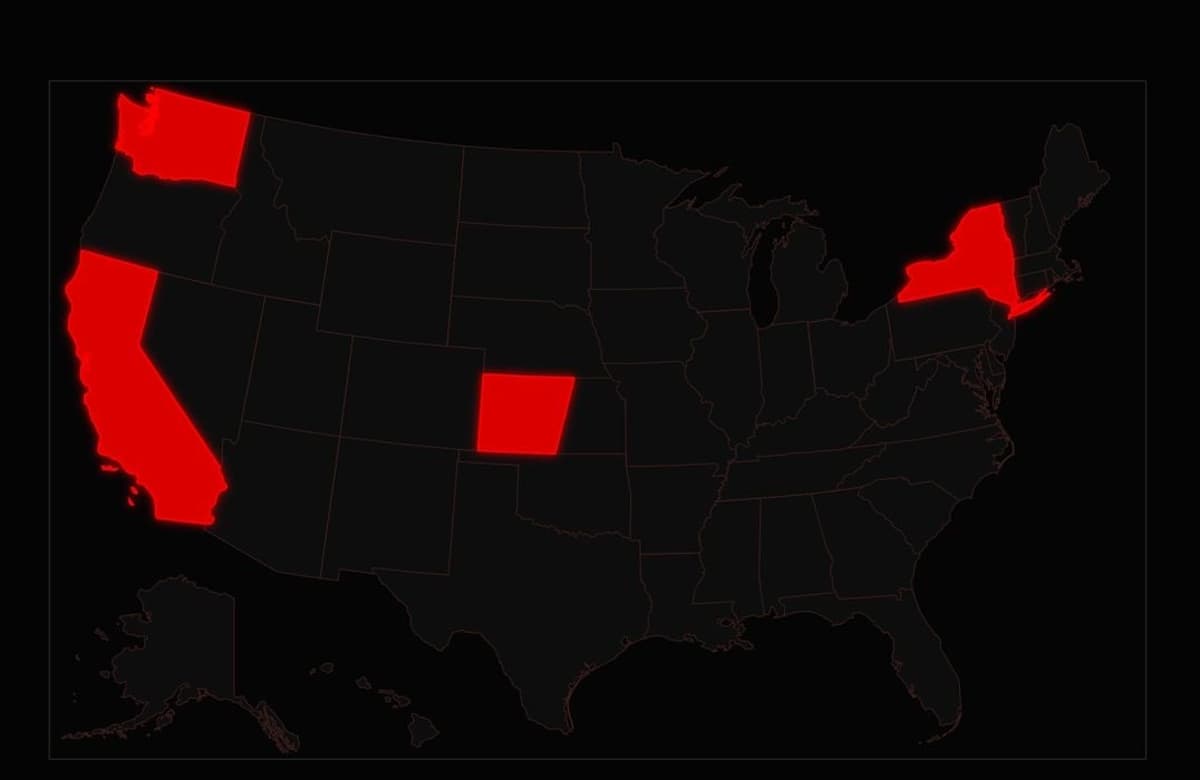
Legislators across multiple states are expanding anti‑ghost‑gun measures to cover "additive manufacturing," a move that threatens to sweep general‑purpose 3D printers into the regulatory net. The language in many proposals is intentionally vague, focusing on the end product rather than the tool, which could obligate manufacturers to maintain detailed logs of printed objects, verify user intent, and even redesign hardware to satisfy compliance audits. Such uncertainty alone can delay product launches, increase legal exposure, and force companies to allocate resources toward regulatory teams instead of research and development.
For the broader ecosystem, the ramifications are profound. Large vendors may absorb compliance costs by adding authentication modules or restricting material choices, but smaller kit makers, open‑source projects, and community makerspaces face existential threats. If sellers are held liable for downstream misuse, they may impose buyer vetting, limit sales to vetted institutions, or discontinue certain models altogether. This pressure nudges the market toward closed, proprietary platforms—mirroring the smartphone app‑store model—where content is curated, and developers must obtain approval, eroding the collaborative spirit that has driven 3D‑printing innovation.
The long‑term impact on investment and innovation hinges on policy precision. Investors are wary of opaque regulatory environments that can retroactively alter product viability. A balanced approach would involve narrowly defined statutes that target only weaponizable components, coupled with a clear exemption framework for legitimate industrial, educational, and hobbyist uses. Engaging industry groups, the EFF, and open‑source communities early in the legislative process can help craft rules that protect public safety without throttling the rapid prototyping and customization benefits that 3D printing delivers. Until such nuance is achieved, the sector must prepare for heightened compliance overhead and potential market consolidation.
New Site Warns Of Sweeping 3D Printer Laws
Comments
Want to join the conversation?