NOC Energy Raises $2.7M to Launch Hybrid Cement Plant Tech Delivering 1,200°C Heat

Companies Mentioned
Why It Matters
Hybrid cement technology tackles two entrenched problems in heavy industry: high‑temperature heat generation and carbon intensity. By allowing plants to blend cheap renewable electricity with existing fossil‑fuel infrastructure, the solution offers a pragmatic bridge toward net‑zero without the massive capital expense of building all‑electric facilities. Successful adoption could set a template for other heat‑intensive sectors such as steel and glass, accelerating the broader industrial transition. Beyond emissions, the technology could reshape energy markets. The ability to store heat for hours creates a new form of demand‑side flexibility, helping balance grids with high renewable penetration. If cement producers become responsive load participants, they could earn revenue from electricity arbitrage, further improving the economics of decarbonisation.
Key Takeaways
- •NOC Energy raised $2.7 million in seed funding led by 360 Capital
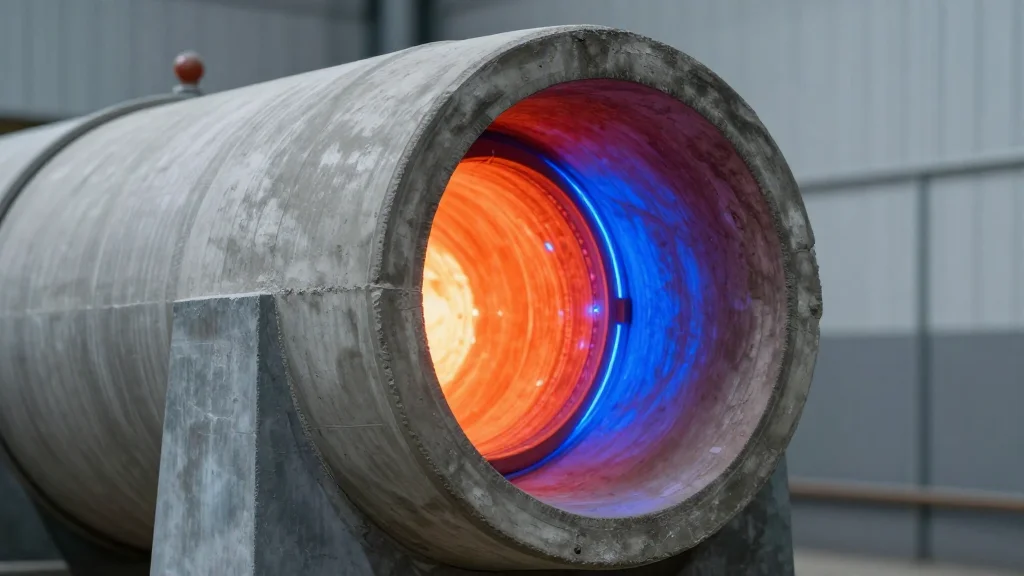
- •Hybrid system can generate electric heat up to 1,200 °C, targeting cement kilns
- •Induction‑heated steel spheres store heat for several hours, enabling price arbitrage
- •Pilot unit logged 15,000 operating hours; commercial demo planned for late 2026
- •Potential to cut cement‑sector CO₂ emissions by several megatonnes annually
Pulse Analysis
The hybrid cement approach represents a strategic inflection point for an industry that has long been locked into carbon‑heavy processes. Historically, cement manufacturers have faced a classic lock‑in dilemma: either invest in costly new plants or continue burning coal and natural gas. NOC Energy’s modular retrofit sidesteps the lock‑in by leveraging existing assets, a tactic reminiscent of the early automotive industry’s transition from steam to internal combustion. This incremental pathway lowers barriers to entry and could catalyse a cascade of retrofits across the sector, especially in emerging markets where capital is scarce.
From a market dynamics perspective, the technology also creates a new competitive frontier. Traditional equipment suppliers such as FLSmidth and Thyssenkrupp have built their business models around large‑scale kiln upgrades and fuel‑switching projects. A plug‑and‑play electric module threatens to erode their market share unless they adapt. Meanwhile, the rise of hybridization may spur a wave of ancillary services—energy‑management software, predictive maintenance, and carbon‑credit accounting—creating a broader ecosystem of revenue streams.
Looking ahead, the success of NOC’s hybrid system will depend on policy alignment and the economics of electricity. In jurisdictions with robust carbon pricing or renewable‑energy subsidies, the cost advantage of electric heat will become decisive. Conversely, regions with low electricity tariffs may see slower adoption, prompting NOC to tailor pricing models or partner with utilities. If the technology scales as projected, it could become a cornerstone of the industrial decarbonisation playbook, offering a replicable model for other high‑temperature processes and reinforcing the case for hybrid solutions as a pragmatic bridge to a fully electrified future.
NOC Energy raises $2.7M to launch hybrid cement plant tech delivering 1,200°C heat
Comments
Want to join the conversation?
Loading comments...