Norsk Titanium Signs New Cooperation & Research Agreement with Airbus
Companies Mentioned
Why It Matters
The agreement accelerates the shift from part‑specific 3D‑printing to a certified, scalable manufacturing platform, promising significant cost, lead‑time and weight savings for commercial aircraft. It signals broader industry acceptance of additive titanium technology for critical structures.
Key Takeaways
- •Airbus A350 Lower Frame Fitting certified by EASA and FAA
- •Norsk's RPD technology moves toward industrial-scale production
- •Agreement targets titanium wire qualification and process standardisation
- •Collaboration expands additive manufacturing across Airbus aircraft programs
- •New work packages include technology scaling and material expansion
Pulse Analysis
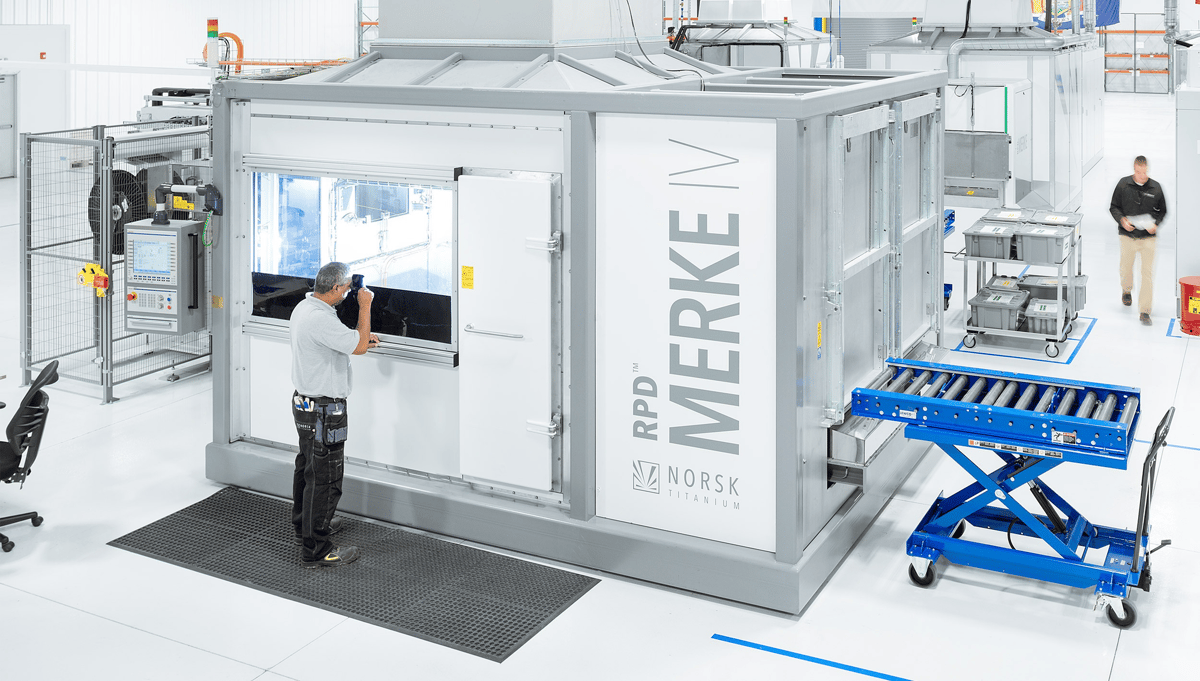
Additive manufacturing is reshaping aerospace supply chains, and Norsk Titanium’s Rapid Plasma Deposition (RPD) stands at the forefront. Unlike traditional powder‑bed methods, RPD deposits titanium wire layer‑by‑layer, delivering near‑net‑shape parts with reduced material waste and faster build times. The technology’s ability to meet stringent aerospace tolerances has attracted Airbus, which seeks to replace conventional machining for fatigue‑critical components. By integrating RPD into its production line, Airbus can cut raw‑material costs and shorten the tooling cycle, a competitive edge as airlines demand lighter, more efficient fleets.
The recent certification of the Lower Frame Fitting—a structural component of the A350—by both EASA and the FAA marks a watershed moment. It is the largest additively manufactured titanium part cleared for commercial service, proving that RPD can satisfy the rigorous airworthiness standards required for high‑stress aerostructures. This milestone validates the technology’s reliability and opens the door for broader adoption across Airbus’s portfolio, from wing ribs to fuselage frames. The new Cooperation & Research Agreement focuses on scaling the process, qualifying titanium wire grades, and standardising production protocols, ensuring that future parts can transition from prototype to serial production without re‑qualification delays.
Looking ahead, the partnership sets a template for the aerospace industry’s move toward digital, on‑demand manufacturing. As Airbus embeds RPD into its material specifications, other OEMs are likely to follow, driving a market shift toward lighter, more fuel‑efficient aircraft. The four work packages outlined in the agreement—technology scaling, material qualification, process validation, and material expansion—provide a clear roadmap for turning additive manufacturing into a mainstream production method. For investors and suppliers, the collaboration signals a growing demand for advanced titanium wire, specialized RPD equipment, and software that can guarantee repeatable quality at volume, reshaping the economics of aircraft manufacturing for the next decade.
Norsk Titanium signs new Cooperation & Research Agreement with Airbus
Comments
Want to join the conversation?
Loading comments...