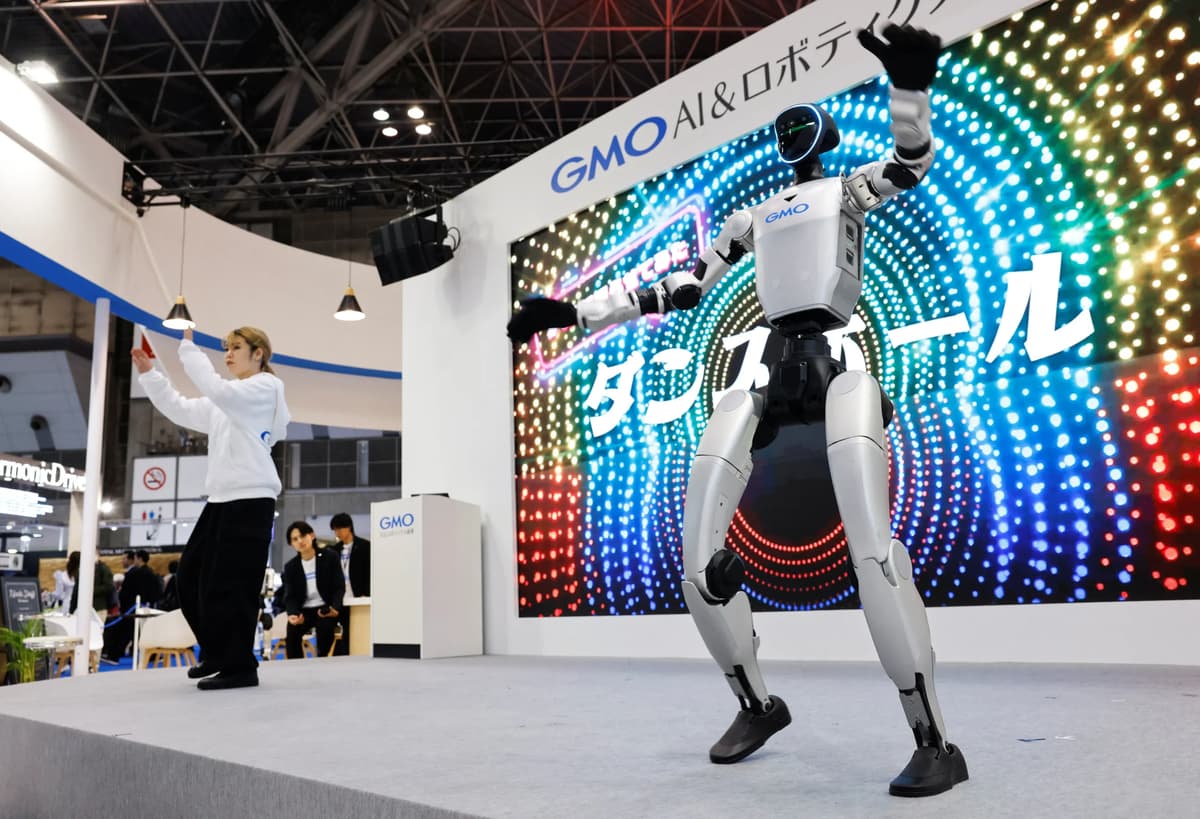
One-Third Of Japanese Companies Eye AI Robots As Labor Shortages Intensify
Key Takeaways
- •33% of Japanese firms use or consider AI robots
- •Transport equipment makers lead, 80% adoption interest
- •Manufacturing is primary AI robot use case (71%)
- •Cash holdings of firms $522 B, up 54% decade‑long
- •Survey covered 220 companies, 492 contacted
Pulse Analysis
Japan’s demographic headwinds have forced firms to look beyond traditional labor solutions, and AI‑enabled robots are emerging as a strategic answer. The country, home to industrial giants like Fanuc and Kawasaki Heavy Industries, has long dominated conventional robotics, but the shift toward autonomous systems marks a new competitive frontier against China and the United States. By embedding perception and decision‑making capabilities, AI robots can handle variable tasks, reducing reliance on a shrinking workforce while maintaining high productivity levels.
Sector analysis reveals stark contrasts. Transportation equipment manufacturers are at the forefront, with eight in ten either using or evaluating AI robots, reflecting the high‑mix, high‑precision demands of automotive and aerospace production. Manufacturing overall accounts for 71% of intended robot applications, while hazardous‑task and customer‑facing roles trail behind. Conversely, wholesale firms remain largely disengaged, with 94% reporting no plans, underscoring a lag in digital transformation across service‑oriented industries. This uneven uptake suggests that early adopters could capture efficiency gains and cost advantages, pressuring laggards to accelerate.
The survey also surfaces a parallel financial narrative: Japanese corporations have amassed roughly $522 billion in cash and deposits, a 54% rise over the past decade. Government guidelines now urge firms to redeploy idle capital toward growth initiatives, including automation. Aligning abundant liquidity with AI robot investments could create a virtuous cycle—funds fuel technology upgrades, which in turn boost output and profitability, justifying further capital deployment. As corporate governance reforms tighten reporting timelines, firms that swiftly integrate AI robotics may also demonstrate stronger stewardship, appealing to investors seeking both innovation and disciplined financial management.
One-Third Of Japanese Companies Eye AI Robots As Labor Shortages Intensify
Comments
Want to join the conversation?