ORNL Develops Error Correction System to Enhance 3D Printing of Large Composite Parts
Companies Mentioned
Why It Matters
By automating defect detection and correction, the system cuts material waste and reduces labor oversight, strengthening U.S. competitiveness in high‑value additive manufacturing sectors such as aerospace and construction.
Key Takeaways
- •ORNL's controller uses thermal cameras and AI to auto‑adjust print speed
- •System corrects temperature deviations within a few degrees in real time
- •No redesign needed for new parts; works across printers and plastics
- •Reduces waste and cost, boosting U.S. additive manufacturing competitiveness
Pulse Analysis
Large‑area additive manufacturing (LFAM) has become a cornerstone for producing aerospace wing sections, automotive components, and even building‑site structures. Yet the process remains fragile: temperature gradients, nozzle speed, and material flow must be perfectly balanced, or layers fail to fuse, leading to costly scrap. Traditional LFAM relies on human operators to watch dashboards and intervene manually, a method that scales poorly as part sizes and production volumes increase. The industry has been searching for a reliable, automated solution that can keep pace with the speed and complexity of modern composite printing.
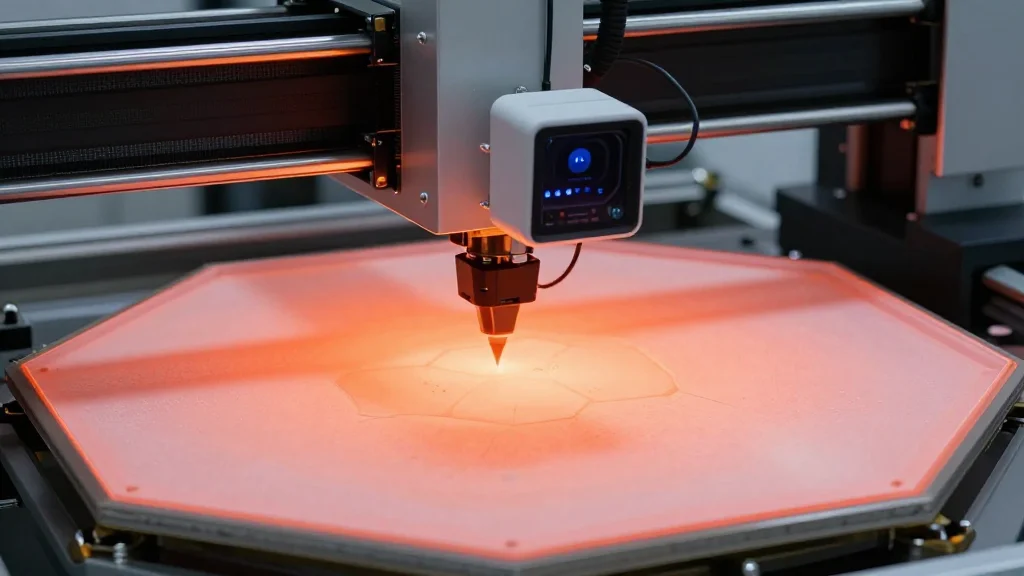
ORNL’s new controller addresses that gap by fusing a ring of inexpensive thermal cameras with computer‑vision software that continuously maps the temperature of freshly deposited material. When the system spots a deviation of just a few degrees from the target, it instantly tweaks the print speed, ensuring each layer cools to the optimal temperature before the next is laid down. A digital‑twin model runs in parallel, allowing engineers to simulate new geometries or material blends without risking physical waste. Crucially, the AI does not require retraining for each new design, making it a plug‑and‑play upgrade for existing LFAM equipment.
The implications are far‑reaching. By cutting scrap rates and reducing the need for constant human supervision, manufacturers can lower per‑part costs and accelerate time‑to‑market for custom composite components. This efficiency boost aligns with the Department of Energy’s goal to revitalize domestic advanced manufacturing and could help U.S. firms reclaim market share from overseas competitors. As the technology matures, we can expect broader adoption across sectors that demand large, high‑performance parts, from next‑generation aircraft to modular construction, cementing additive manufacturing as a mainstream production method.
ORNL develops error correction system to enhance 3D printing of large composite parts
Comments
Want to join the conversation?
Loading comments...