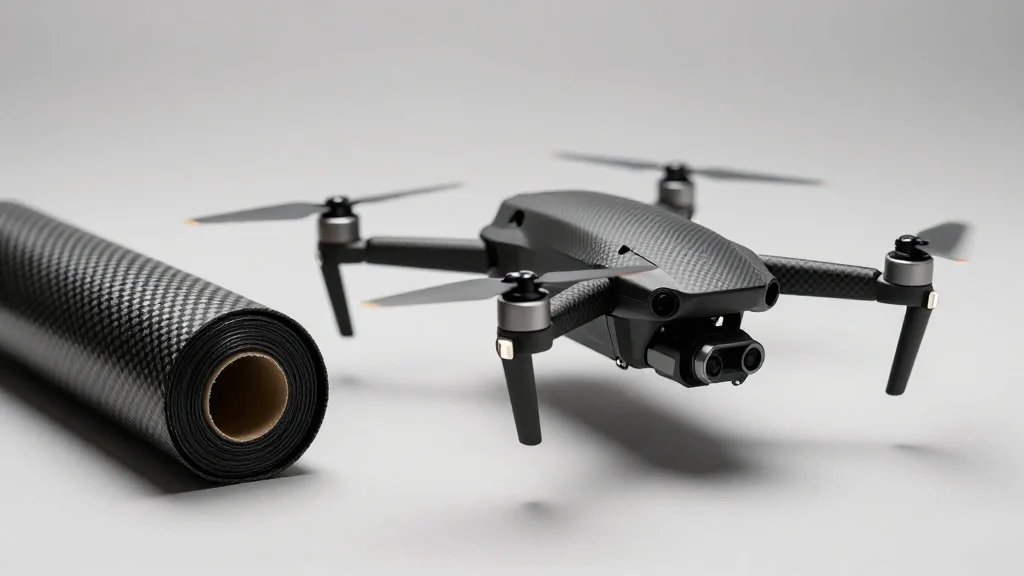
Pen Aviation, Nandina REM Pave the Way for rCF in Flight in UAV/UAS Platforms
Why It Matters
The move shortens the path to greener, locally sourced composites for unmanned aircraft, reducing geopolitical risk and supporting rapid growth in the defense UAV market.
Key Takeaways
- •Pen Aviation targets rCF for certified UAV structures under SORA framework.
- •Nandina REM’s Singapore plant makes 5 t/month rCF, supporting up to 8,000 drones.
- •rCF matches virgin fiber stiffness; higher scatter acceptable for UAV risk levels.
- •Localized rCF supply cuts geopolitical risk and reduces oil‑dependent feedstock.
- •Thermoplastic rCF composites speed production and improve recyclability for defense drones.
Pulse Analysis
Sustainability is becoming a strategic imperative in aerospace, yet the adoption of recycled composites has lagged behind policy rhetoric. Traditional certification pathways demand exhaustive mechanical data, making new materials costly and time‑consuming to qualify. Risk‑proportionate frameworks like the Specific Operations Risk Assessment (SORA) used for unmanned aircraft shift the burden, allowing innovators to demonstrate safety with a leaner evidence set. This regulatory flexibility creates a niche where recycled carbon fiber can be field‑tested in UAVs without the prohibitive overhead faced by commercial airliners.
Nandina REM’s February 2026 launch of a 5‑tonne‑per‑month rCF facility in Singapore marks a watershed for regional supply chains. By converting end‑of‑life composites and manufacturing off‑cuts into aerospace‑grade fiber, the plant can furnish material for anywhere between 120 and 8,000 drones each month. The company’s expansion blueprint includes sites in the United States and Australia, effectively decentralizing the carbon‑fiber market that has historically been dominated by a few Asian producers. This geographic diversification not only shortens logistics lead times but also insulates UAV manufacturers from geopolitical shocks and oil‑price volatility.
For defense contractors and commercial drone operators, the convergence of rCF’s comparable stiffness, thermoplastic processing speed, and recyclability translates into tangible performance and cost benefits. Faster molding cycles reduce time‑to‑market, while the ability to remanufacture components aligns with circular‑economy goals. As UAV missions become more demanding—requiring higher temperature tolerance and corrosion resistance—rCF’s material properties position it as a viable alternative to virgin fiber. The combined regulatory openness and supply‑chain resilience suggest that recycled composites could become a mainstream choice for the next generation of unmanned platforms.
Pen Aviation, Nandina REM pave the way for rCF in flight in UAV/UAS platforms
Comments
Want to join the conversation?
Loading comments...