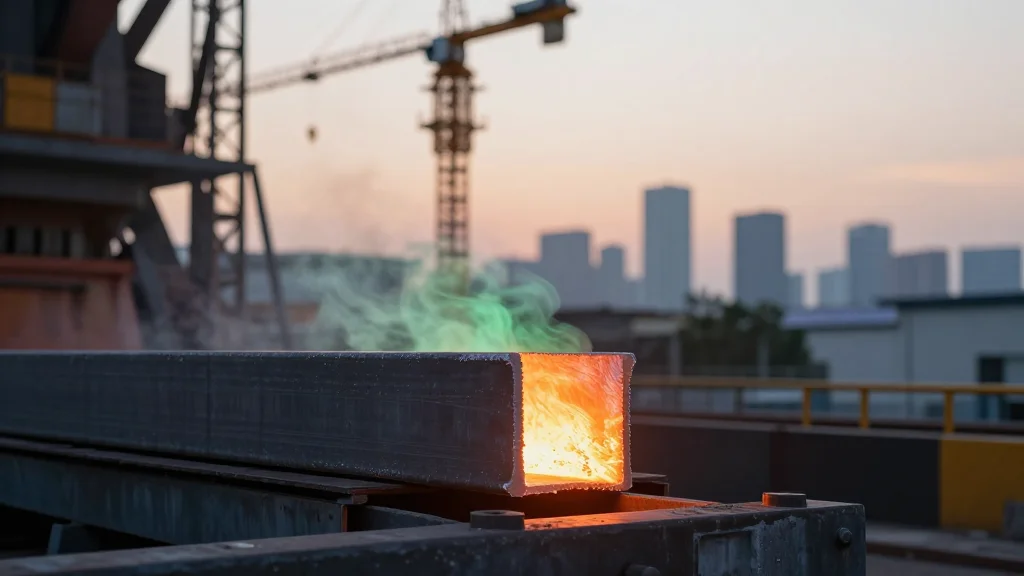
Philippines’ Steel Inflection Point Shifts From Import Dependence to Low-Carbon, Supply-Secure Growth: SteelAsia
Why It Matters
Domestic capacity growth and decarbonization reduce the Philippines’ exposure to import shocks and future carbon‑border tariffs, strengthening its infrastructure pipeline and regional competitiveness.
Key Takeaways
- •SteelAsia aims to double capacity to 4.8 Mt by 2028.
- •Philippines' BBM program drives 5‑6% GDP infrastructure spend.
- •EAF technology cuts emissions to 0.28 t CO₂ per tonne steel.
- •Import reliance pushes policy toward domestic scrap‑based production.
- •Long‑product demand anchored by construction and reinforcing‑bar usage.
Pulse Analysis
The Philippines is at a turning point in its steel sector as demand outpaces supply. Driven by President Ferdinand Marcos Jr.’s Build Better More (BBM) infrastructure agenda, which will channel roughly 5‑6 % of GDP into roads, bridges, energy and digital projects, consumption of long‑product steel—especially reinforcing bars—remains robust. Southeast Asian forecasts predict a decade‑long rise in regional steel use, positioning the archipelago as a key growth market. This construction‑led surge creates a clear need for domestic capacity that can meet tight schedules and budget constraints.
Historically, the country has depended on imports for flat and semi‑finished steel, exposing projects to volatile freight rates, energy price spikes and geopolitical shocks such as Middle‑East conflicts. Policymakers now view import substitution as a resilience imperative, encouraging the development of a regional supply chain that prioritises control over timelines and costs. SteelAsia’s leadership highlights this shift, noting that a more balanced, locally sourced steel ecosystem will mitigate external disruptions and stabilize pricing for downstream developers and public works.
Decarbonization adds another strategic layer. SteelAsia is expanding its electric‑arc furnace (EAF) footprint, targeting a near‑doubling of crude capacity to 4.8 million tonnes by 2028 while relying on domestically collected scrap. EAFs emit roughly 0.28 t CO₂ per tonne of steel, among the lowest globally, aligning the firm with EU carbon‑border adjustments and emerging low‑carbon procurement standards. By coupling capacity growth with a scrap‑driven, low‑carbon model, the company positions the Philippines to become a regional hub for sustainable steel, reducing import reliance and supporting long‑term economic competitiveness.
Philippines’ steel inflection point shifts from import dependence to low-carbon, supply-secure growth: SteelAsia
Comments
Want to join the conversation?
Loading comments...