Physical AI Is Ready for Wider Adoption in some Applications: CreateMe CEO
Companies Mentioned
Why It Matters
Physical AI promises a near‑term productivity boost for high‑variability manufacturing, offering a clear ROI where traditional robotics struggle. Its adoption could accelerate on‑shoring of flexible apparel and other consumer‑goods production in the United States.
Key Takeaways
- •CreateMe's platform replaces sewing with AI‑driven digital bonding
- •System uses proprietary adhesives, robotics, and physical AI for precision
- •CEO Cam Myers holds 25 patents in apparel‑automation technologies
- •Physical AI expected to see broader adoption in narrow, high‑ROI use cases within three years
- •Automation can halve technician staffing per production line, boosting scalability
Pulse Analysis
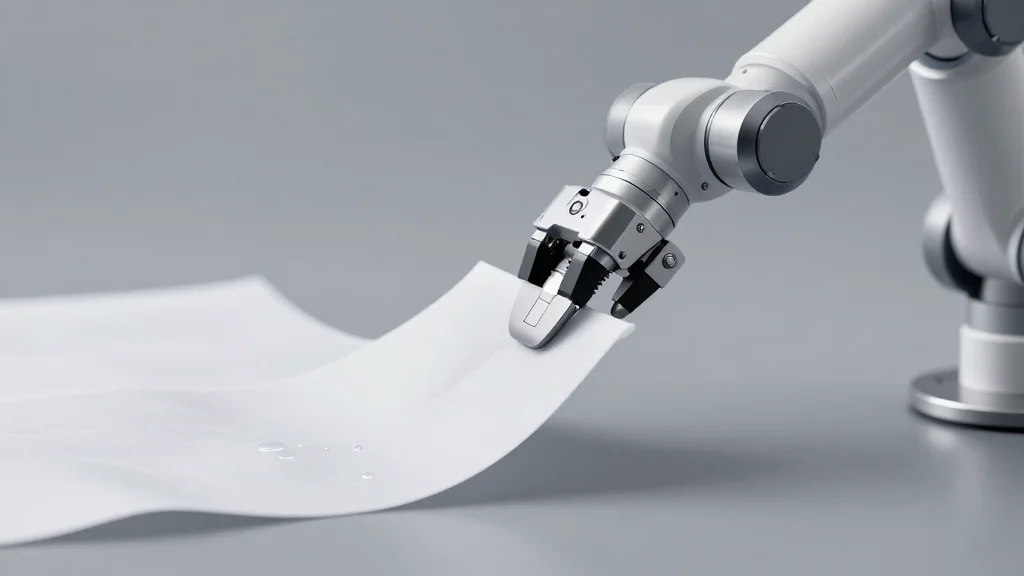
Physical AI is emerging as a bridge between pure software models and the messy reality of manufacturing. In textiles, where fabric’s pliability has long resisted full automation, CreateMe’s Modular‑Engineering Robotic Assembly combines sensor‑rich robotics, custom adhesive chemistries, and machine‑learning models trained on human‑guided teleoperation. By focusing on a narrow, high‑complexity task—assembling garments—the platform sidesteps the broader challenges faced by humanoid robots, delivering repeatable precision while still accommodating the nondeterministic behavior of soft materials.
Industry analysts see a three‑year horizon for wider adoption of such niche physical‑AI solutions, especially where the return on investment is clear. Compared with traditional automation, which excels at rigid, repetitive motions, physical AI can handle variable inputs like different fabric weights, cuts, and finishes. This capability aligns with a resurgence of on‑shoring initiatives, as manufacturers seek to de‑risk supply chains and bring high‑flex production closer to distribution hubs. Consortia such as Robots for America and the New American Industrial Alliance are already lobbying for policy support, positioning physical AI as a cornerstone of the next wave of American manufacturing competitiveness.
For the workforce, the technology promises to shift labor from repetitive line work to higher‑skill technician roles that oversee and troubleshoot AI‑augmented equipment. CreateMe reports that a simplified line can run with one technician for every two lines, effectively doubling labor efficiency. Companies looking to adopt physical AI should start with digital‑twin simulations to model ROI, partner with consultancy firms familiar with AI‑enabled robotics, and pilot data‑capture programs that blend teleoperation with sensor feedback. As the ecosystem matures, these steps will help manufacturers transition from proof‑of‑concept to scalable production, unlocking new levels of flexibility and speed in the consumer‑goods market.
Physical AI is ready for wider adoption in some applications: CreateMe CEO
Comments
Want to join the conversation?
Loading comments...