Polyester Recycling Trial Validated in Japan
Why It Matters
The validation shows a viable path to close the loop on polyester waste, reducing reliance on virgin petrochemical feedstocks and supporting industry sustainability targets. It positions Europe and Japan as leaders in scalable textile recycling, potentially reshaping global supply chains.
Key Takeaways
- •Validated process handled tens of tonnes of European textile waste
- •Combines French chemical tech with Japanese recycling expertise
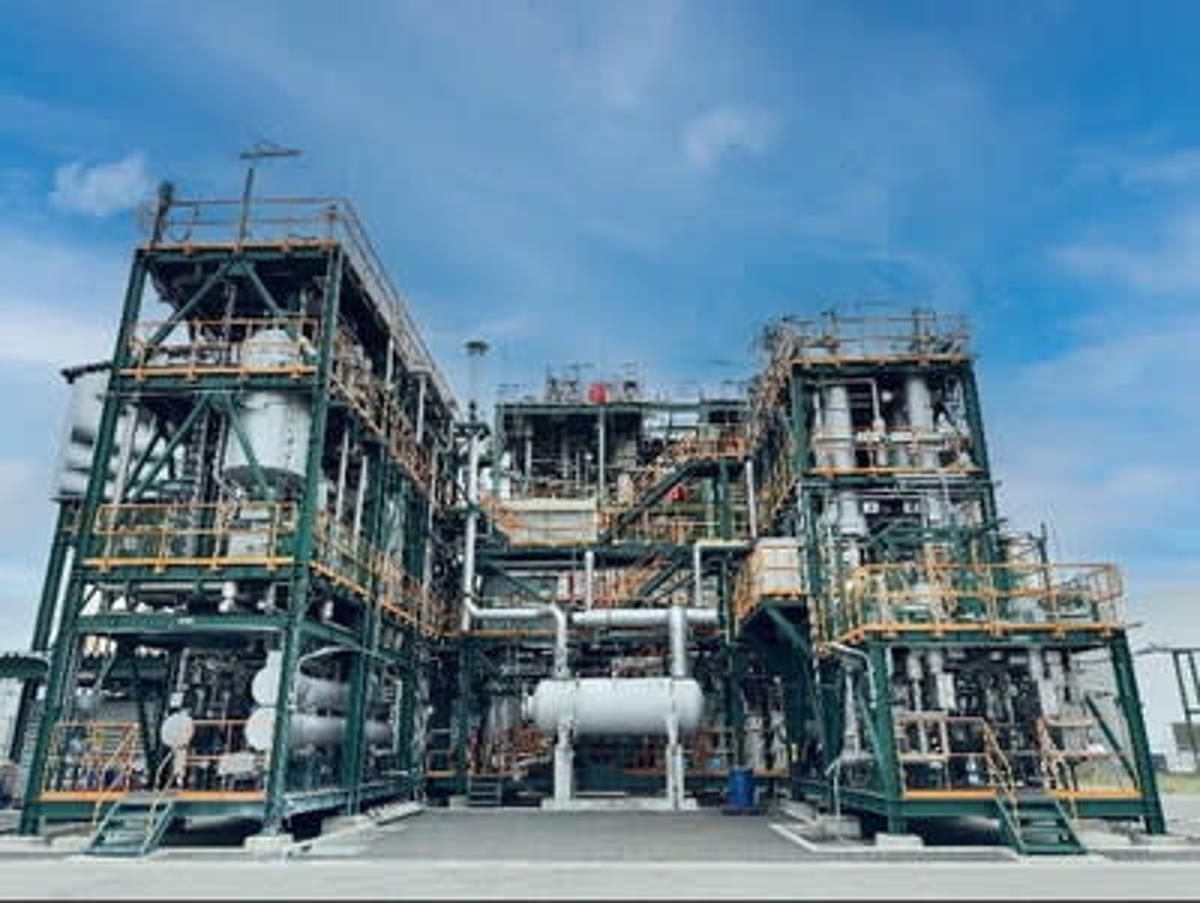
- •Demonstration unit operated at semi‑industrial scale in Japan
- •Produces recycled polyester suitable for new garment manufacturing
- •Advances circular economy goals for the global apparel sector
Pulse Analysis
The successful trial by Axens, IFPEN and JEPLAN signals a turning point for polyester recycling, a sector long hampered by technical and economic barriers. By processing tens of tonnes of post‑consumer textile waste in a semi‑industrial unit, the partners proved that depolymerization and repolymerization can be achieved without degrading fiber quality. This breakthrough leverages Axens’ catalytic know‑how, IFPEN’s research capabilities, and JEPLAN’s advanced sorting and processing infrastructure, creating a replicable model for large‑scale operations.
Polyester accounts for roughly 60% of global fiber production, and its durability translates into persistent landfill and microplastic challenges. Traditional mechanical recycling often yields lower‑grade fibers, limiting reuse options. The chemical route demonstrated in Japan preserves polymer integrity, enabling the output to meet specifications for high‑performance apparel. Moreover, the collaboration aligns with Japan’s aggressive waste‑to‑resource policies and Europe’s Green Deal objectives, illustrating how cross‑border partnerships can accelerate circular solutions.
Looking ahead, the validated technology could be rolled out across European recycling hubs, reducing the continent’s dependence on virgin polyester derived from crude oil. Scaling the process promises cost reductions, tighter supply chains, and compliance with emerging ESG mandates. For brands, access to certified recycled polyester may become a competitive differentiator, while policymakers gain a concrete example of how industrial symbiosis can meet climate targets. The trial thus not only proves technical feasibility but also charts a commercial pathway for a more sustainable textile ecosystem.
Polyester recycling trial validated in Japan
Comments
Want to join the conversation?
Loading comments...