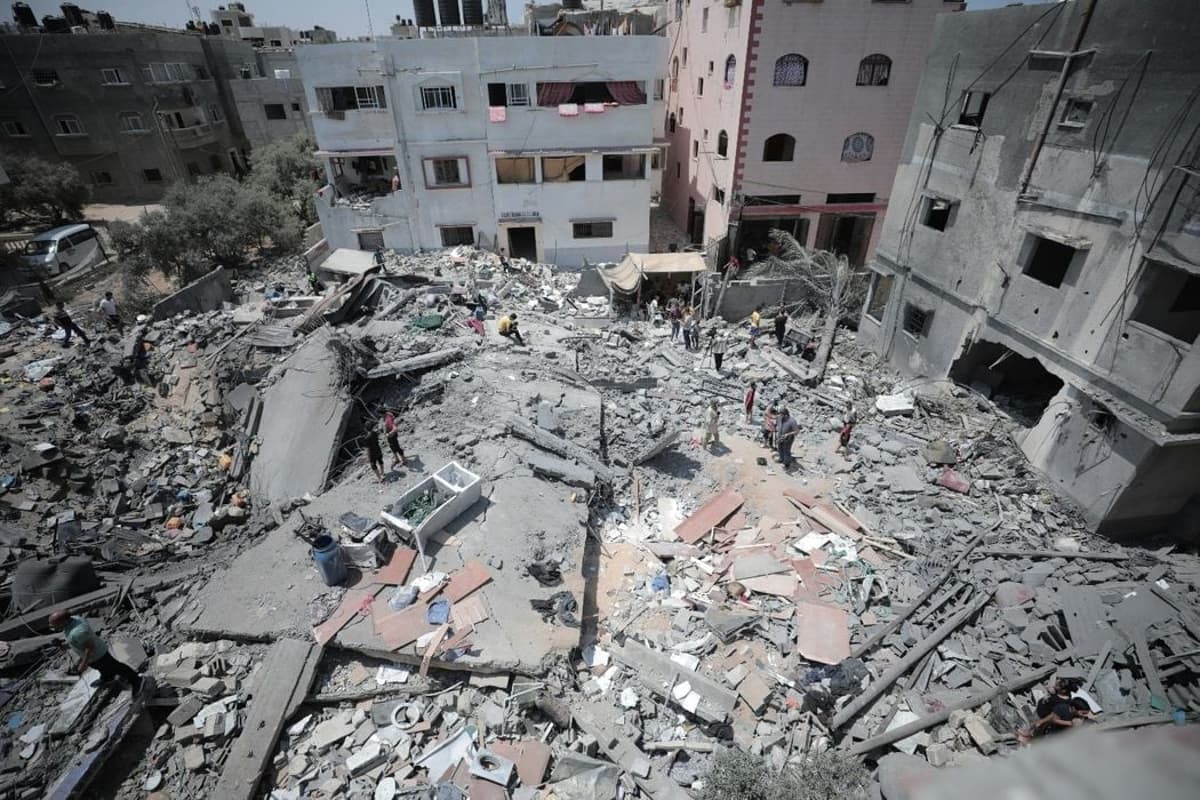
Protracted Wars and Delayed Reconstruction
Key Takeaways
- •Gaza and Ukraine conflicts spur rapid 3D‑printing innovation
- •Defense budgets boost additive manufacturing for drones and aerospace
- •Ottobock and Hanger scale custom 3D‑printed prosthetics and orthotics
- •3D‑printed building materials accelerate post‑war reconstruction efforts
- •R&D tax credit incentives encourage broader adoption of additive manufacturing
Pulse Analysis
The relentless nature of the Gaza and Ukraine wars has turned battlefields into de‑facto research labs for additive manufacturing. NATO’s surge in defense spending has funded next‑generation drones and aerospace components that rely on selective laser sintering and fused deposition modeling, pushing the technology’s performance envelope far beyond pre‑war baselines. This infusion of capital and urgency has shortened development cycles, making 3D‑printing a cornerstone of modern military logistics and equipment design.
Beyond the front lines, the same technologies are reshaping civilian health care. Leaders like Ottobock and Hanger, Inc. are leveraging high‑resolution scanning and rapid‑print workflows to produce custom prosthetic limbs, orthoses, and even infant cranial remolding devices. The result is a dramatic reduction in lead times and production costs, while delivering lightweight, patient‑specific solutions that improve outcomes. Simultaneously, 3D‑printed construction panels and modular components are being trialed for rebuilding war‑torn structures, offering faster assembly and reduced material waste.
Economic policy is amplifying this momentum. The permanent Research & Development Tax Credit now rewards firms that integrate 3D‑printing into prototyping, process improvement, or final‑product manufacturing, allowing them to recoup wages, software, and material expenses. As companies capture these incentives, adoption spreads across sectors, setting the stage for a post‑war "peace dividend" where military‑driven innovations translate into broader societal benefits, from affordable prosthetics to resilient, quickly rebuilt infrastructure.
Protracted Wars and Delayed Reconstruction
Comments
Want to join the conversation?