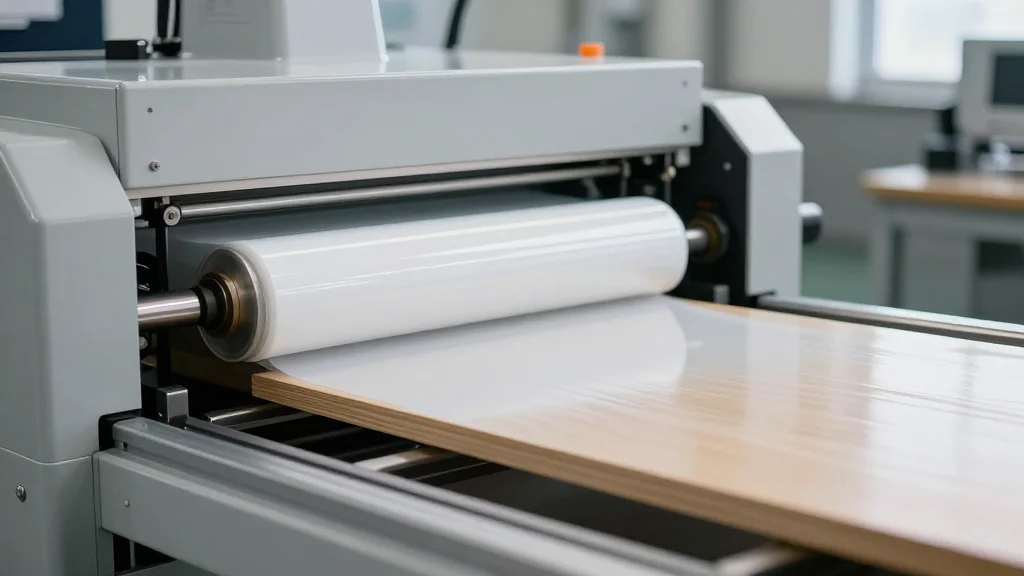
PUR Profile Wrapping Machines Set to Boost Furniture and Surface Finishing Production

Why It Matters
The shift to PUR profile‑wrapping machines addresses three critical pressures on modern manufacturers: the need for faster, higher‑quality production; the demand for greener processes; and the push for greater flexibility in product design. By delivering stronger, more durable bonds with less waste, the technology helps firms meet tightening environmental regulations while preserving the visual standards that drive consumer choice. Moreover, the automation and digital controls reduce labor costs and improve equipment uptime, directly influencing profit margins in a highly competitive market. If widely adopted, the technology could reset benchmark performance metrics for the furniture and decorative‑surface industries, prompting equipment vendors to accelerate innovation cycles and encouraging downstream suppliers to develop new film and veneer materials optimized for PUR adhesion. The ripple effect may also extend to related sectors such as automotive interior trim and consumer‑goods casings, where similar surface‑finishing challenges exist.
Key Takeaways
- •PUR profile‑wrapping machines replace solvent‑based glues with stronger, heat‑resistant adhesive.
- •Digital controls enable rapid changeovers across MDF, wood, aluminum, PVC and composites.
- •Energy consumption and VOC emissions are reduced through optimized heating and adhesive waste minimization.
- •Higher production speeds and lower labor intensity improve overall equipment effectiveness.
- •Adoption aligns with stricter environmental regulations and growing demand for customized interior décor.
Pulse Analysis
The introduction of PUR‑based profile wrapping marks a strategic inflection point for mid‑tier manufacturers that have long balanced cost constraints with quality demands. Historically, the industry relied on separate gluing stations and manual finishing, which limited throughput and introduced variability. By consolidating adhesive application, heating and pressure into a single, digitally managed unit, manufacturers can achieve a tighter cost curve while delivering the premium finishes that premium‑segment consumers expect.
From a competitive standpoint, early adopters gain a dual advantage: they can market greener, longer‑lasting products and they can respond faster to design trends. This creates a barrier for laggards, especially in regions where environmental compliance is becoming a procurement criterion. Equipment makers that can offer modular, retrofit‑friendly versions will likely capture the bulk of the market, as smaller plants seek to upgrade without massive capital outlays.
Looking forward, the technology’s integration with Industry 4.0 platforms could unlock data‑driven quality control, enabling predictive adjustments that further cut scrap and downtime. As the data ecosystem expands, we may see a new class of service providers offering analytics‑as‑a‑service for surface‑finishing lines, turning what was once a mechanical process into a software‑enabled competitive differentiator.
PUR Profile Wrapping Machines Set to Boost Furniture and Surface Finishing Production
Comments
Want to join the conversation?
Loading comments...