Pushing the Limits
Why It Matters
These advances cut labor, reduce freight costs, and enable retailers to meet ultra‑fast delivery expectations, giving them a competitive edge in a crowded market.
Key Takeaways
- •Conveyor sortation market to hit $7.5 B by 2035, 4.5% CAGR.
- •ModSort handles 30‑inch parcels, 50 lb, 35‑50 ppm, silent operation.
- •Rolling‑sphere design eliminates pinch points, reducing jam‑related injuries.
- •EuroSort’s half‑mile sorter processes 30k items/hour, boosting throughput.
- •Automation cuts labor needs, improves accuracy, and lowers freight expenses.
Pulse Analysis
The surge in online shopping has transformed warehouse operations, turning them from bulk‑case handling hubs into complex, multi‑SKU fulfillment centers. Analysts estimate the conveyor sortation market will reach $7.5 billion by 2035, driven by the need for faster, more accurate order processing and tighter delivery windows. Companies are investing in modular, scalable systems that can adapt to fluctuating order volumes and diverse product dimensions, positioning automation as a core pillar of modern supply‑chain strategy.
One of the most compelling innovations is Regal Rexnord’s ModSort module. Using an all‑electric, rolling‑sphere mechanism, ModSort diverts parcels without mechanical lifts, eliminating pinch points that cause jams and injuries. The system handles items up to 30 inches square and 50 pounds at 35‑50 packages per minute while operating below 72 decibels, removing the need for PPE. These safety and noise advantages translate into lower maintenance costs and higher uptime, while the ability to sort smaller, lighter packages drives freight savings by maximizing truck space.
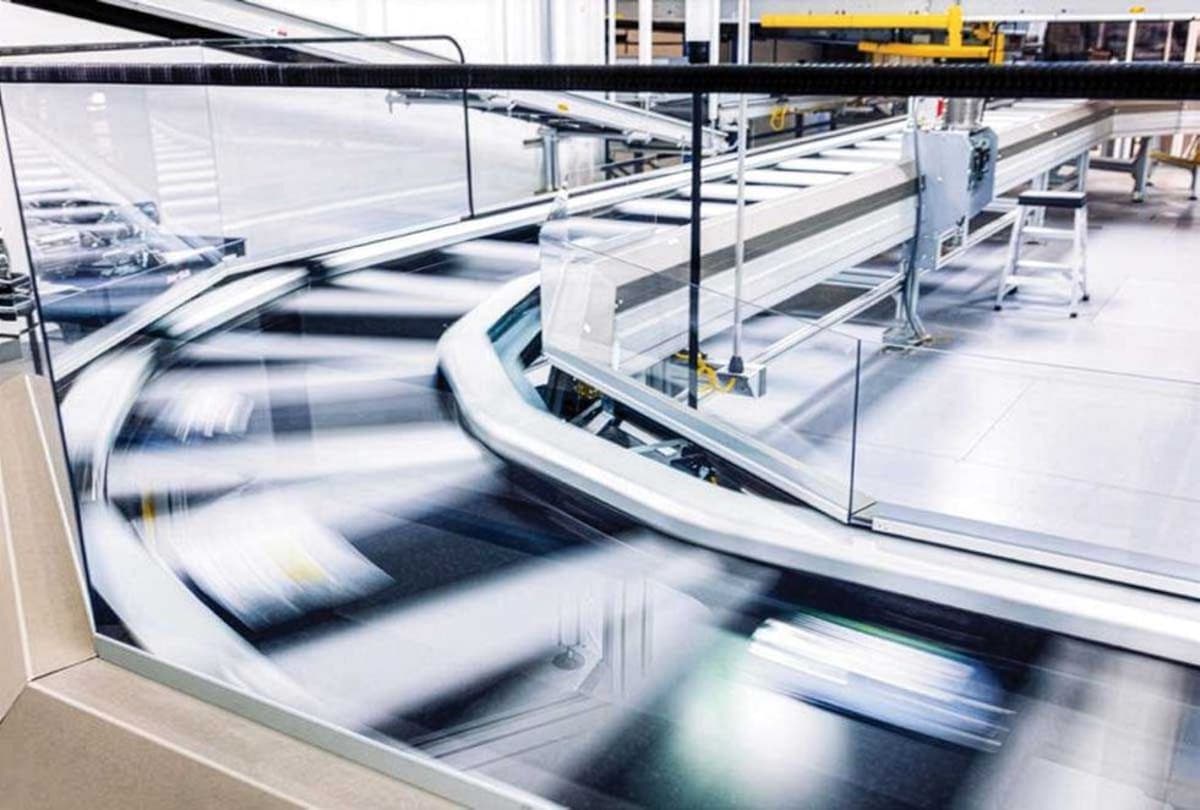
A flagship example of next‑generation sortation is the half‑mile EuroSort line installed at Mouser Electronics’ distribution hub. Integrated with Beckhoff’s EtherCAT‑based control platform, the sorter moves up to 30,000 items per hour per line and supports over 1.2 million SKUs with 99%+ accuracy. The automation has halved labor requirements for order consolidation, allowing staff to focus on value‑added tasks, and has doubled goods‑to‑person throughput. As SKU proliferation continues, such high‑speed, highly configurable solutions will become essential for warehouses aiming to meet same‑day delivery promises while controlling operational expenses.
Pushing the limits
Comments
Want to join the conversation?
Loading comments...