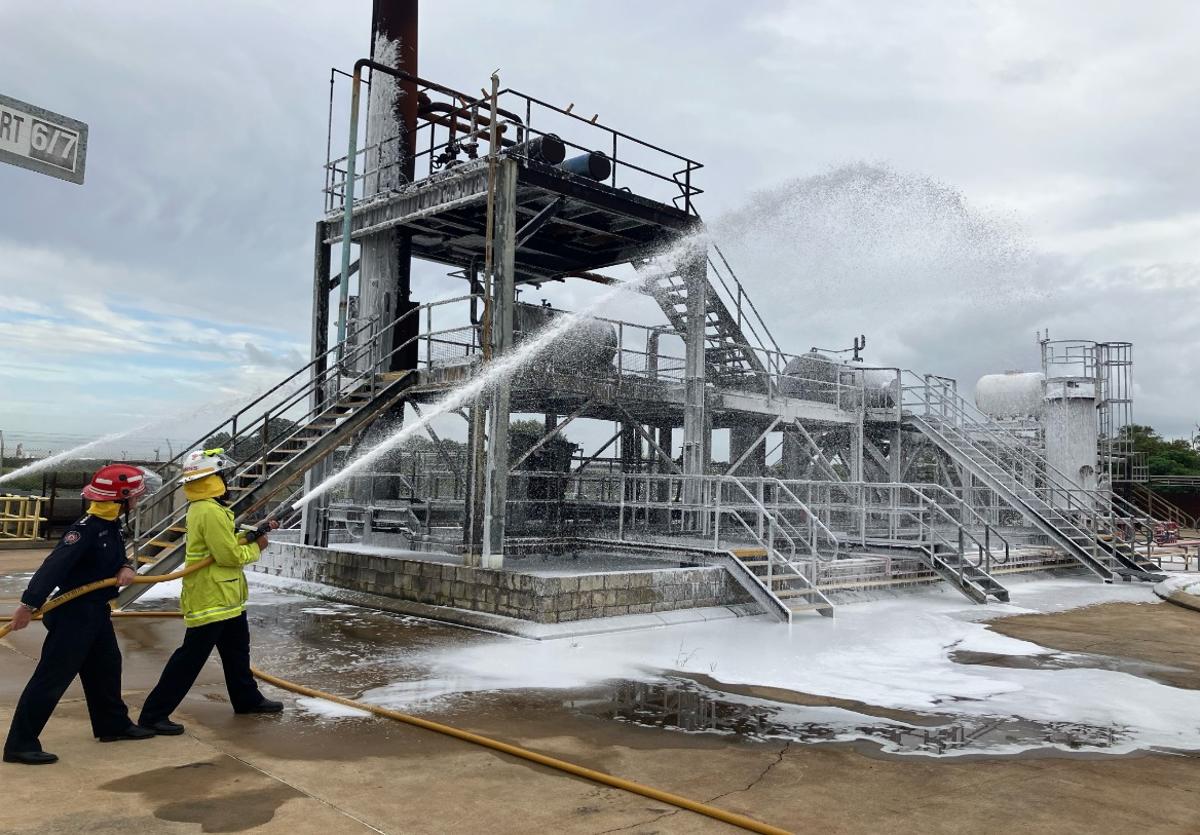
Qld Manufacturing Supports Regional Firefighting Push with New Mobile Suppression Tech
Why It Matters
Local, mobile suppression technology gives remote fire services capability comparable to heavy CAFS trucks, shortening response times and reducing reliance on imported gear. This shift supports Australia’s escalating wildfire risk and strengthens domestic manufacturing supply chains.
Key Takeaways
- •TRHC supplies SNUFIT and CAFAID systems to Queensland and South Australia
- •CAFAID trailer unit offers compressed air foam without heavy trucks
- •New SNUFIT prototype slated for release later this year
- •Demand rising for locally built fire gear due to extreme weather
- •Three CAFAID units deployed in high‑risk regional Queensland areas
Pulse Analysis
Australia’s fire season is lengthening and intensifying, with CSIRO data showing a 56% increase in extreme fire‑weather days over the past forty years. This trend pressures state and regional fire agencies to modernise their tactics, yet many remote brigades lack the budget or infrastructure for heavyweight compressed‑air foam trucks. Home‑grown solutions that can be towed by standard utility vehicles are therefore becoming essential to keep pace with faster‑moving vegetation fires and longer deployment windows.
TRHC’s CAFAID system answers that need by delivering a simplified compressed‑air foam capability on a trailer platform. Without moving parts or complex synchronisation, the unit can hook onto a range of existing pump setups, providing consistent foam output while minimising maintenance. The SNUFIT system, designed for rapid knock‑down on medium to heavy tankers, complements the CAFAID by offering a rugged, diesel‑compatible solution for longer operational hours. Both products are engineered for Australia’s harsh heat, dust, and remote terrain, reducing the logistical lag that often accompanies imported equipment.
The rollout signals a broader shift toward domestic fire‑suppression manufacturing. Agencies are prioritising shorter lead times, local servicing, and equipment that tolerates local conditions, driving demand for Australian‑made gear. As TRHC scales production and introduces a next‑generation SNUFIT prototype, the company positions itself to capture a growing market share, potentially opening export opportunities to other fire‑prone regions. The move not only bolsters regional safety but also reinforces Australia’s strategic resilience against climate‑driven wildfire threats.
Qld manufacturing supports regional firefighting push with new mobile suppression tech
Comments
Want to join the conversation?
Loading comments...