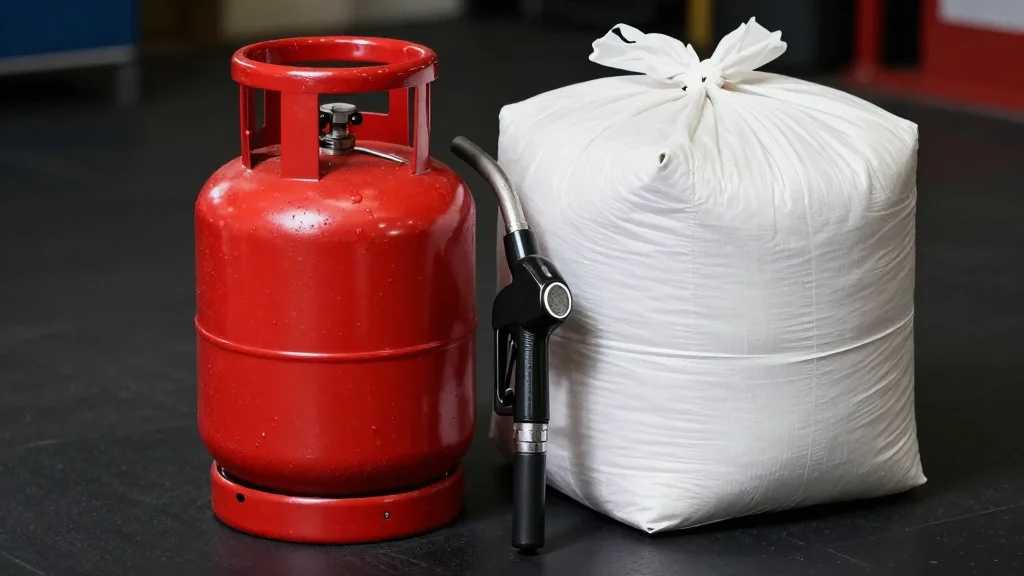
Raw Materials, Fuel, And Freight: The Triple Squeeze On The Indian Apparel Industry
Companies Mentioned
Why It Matters
The combined energy, material and logistics pressures threaten profitability and could force Indian MSMEs to rethink sourcing, pricing and production strategies, reshaping the global apparel supply chain.
Key Takeaways
- •LPG shortages hit 20,000 Tiruppur garment units, slowing output
- •Diesel prices rose 25%, raising dyeing and finishing costs
- •Polyester fibre cost jumped 28% to $1.24/kg, squeezing margins
- •India‑US container freight surged 150%; air freight up 200%
- •MSMEs face tighter cash flow, may rethink sourcing or pricing
Pulse Analysis
The energy crunch hitting India’s textile hubs is more than a temporary hiccup; it reshapes cost structures across the value chain. LPG, the lifeblood of over 20,000 small and medium‑sized factories in Tiruppur and Sanganer, has become scarce, prompting workers to spend hours securing fuel and causing absenteeism. Meanwhile, a 25% increase in industrial diesel—driven by higher global oil prices—raises operating expenses for energy‑intensive processes such as dyeing and finishing. Although the government has lifted commercial LPG cylinder allocations from 50% to 70% of demand, the relief is unlikely to offset the immediate production slowdown.
Raw‑material volatility compounds the energy squeeze, especially for synthetic fabrics that depend on oil‑derived chemicals. With Brent crude above $100 per barrel, polyester fibre costs have surged 28% to roughly $1.24 per kilogram, while cotton prices have risen about $0.48 per kilogram. Manufacturers like Filatex India can pass only half of the polyester price hike downstream, leaving fabric makers and exporters to absorb the remainder. The combined rise in chemicals, dyes and processing agents—up 15‑20%—tightens profit margins and forces many MSMEs to renegotiate contracts or scale back capacity.
Logistical bottlenecks complete the triple squeeze, as geopolitical tensions force vessels around the Cape of Good Hope, extending transit times by 10‑15 days and inflating container freight on the India‑US lane by roughly 150%. Air‑freight, once a contingency, has exploded by about 200%, with rates climbing from $1.20 to $3.00 per kilogram for European shipments and from $3.00‑$3.60 to $6.00‑$7.80 for the United States. While long‑term FOB contracts shield some exporters from direct cost exposure, the overall rise in shipping expenses erodes competitiveness, prompting buyers to explore alternative sourcing regions or to demand price adjustments.
Raw Materials, Fuel, And Freight: The Triple Squeeze On The Indian Apparel Industry
Comments
Want to join the conversation?
Loading comments...