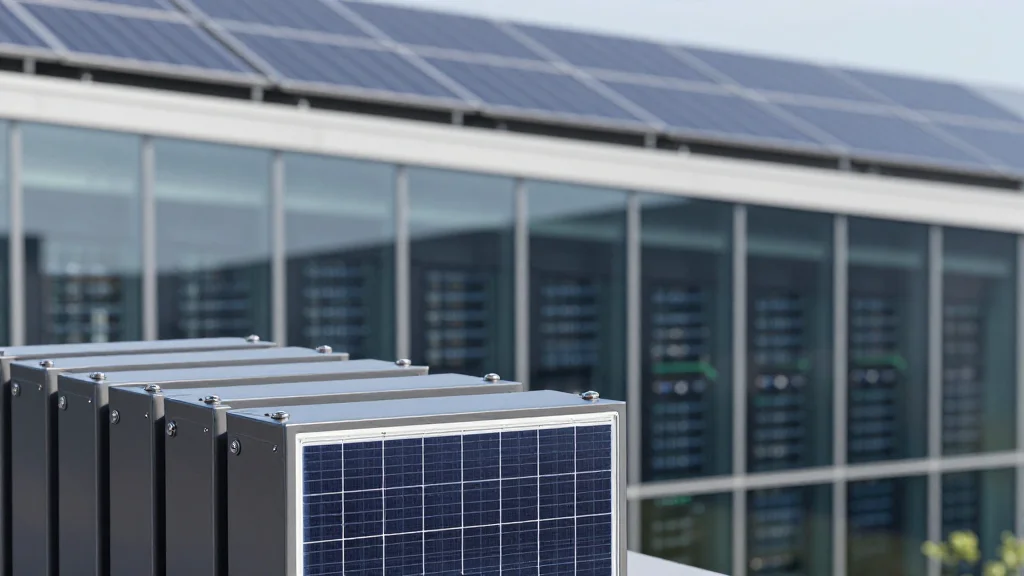
Redwood Materials Scales Second‑Life Battery Storage to Power 24 Data Centers

Companies Mentioned
Why It Matters
The expansion demonstrates that battery recyclers can become direct participants in the energy‑storage market, blurring the line between waste management and power generation. By turning used EV packs into grid‑ready assets, Redwood reduces reliance on virgin lithium and cobalt, easing supply‑chain pressures that have plagued automakers. Moreover, the low‑cost, open‑air design offers a template for scalable, resilient storage that can be deployed in harsh environments, expanding the geographic reach of renewable‑energy integration. For the manufacturing sector, Redwood’s model signals a new revenue stream for plants that traditionally focused on material recovery. Facilities can now add value by refurbishing and integrating batteries into commercial products, potentially extending the useful life of manufacturing assets and creating new job categories in software, power electronics, and system integration.
Key Takeaways
- •Redwood Materials adds 20 MW solar and 12 MWh of repurposed EV batteries to power 24 data centers near Reno, Nevada.
- •The rollout follows a six‑month pivot led by Nancy Sun from recycling to grid‑storage product development.
- •Redwood’s proprietary “pack manager” unifies heterogeneous battery packs, enabling open‑air, low‑density storage systems.
- •Company projects that end‑of‑life EV batteries could supply >50 % of the energy‑storage market by 2030.
- •Next milestone: a utility‑scale pilot slated for late 2026 to test frequency regulation services.
Pulse Analysis
Redwood Materials’ aggressive scaling of second‑life storage reflects a broader trend where recyclers are moving up the value chain to become product manufacturers. Historically, battery recyclers have been confined to material recovery, a low‑margin business vulnerable to commodity price swings. By developing proprietary software and hardware that can repurpose used packs, Redwood creates a differentiated offering that commands higher margins and reduces exposure to raw‑material volatility.
The company’s open‑air architecture also addresses a key pain point for traditional battery‑energy‑storage systems: cooling costs. Conventional high‑density racks require complex thermal management, inflating both CAPEX and OPEX. Redwood’s design sidesteps these expenses, making its solution attractive for customers with limited space or harsh climates—attributes that align well with data‑center operators seeking reliable, low‑maintenance backup power.
Looking forward, Redwood’s success could catalyze a wave of similar initiatives across the recycling ecosystem. If the utility‑scale pilot validates performance and economics, larger grid operators may opt for second‑life packs over new cells, reshaping demand curves for raw materials. This shift would not only alleviate supply constraints for automakers but also accelerate the decarbonization of the power sector, reinforcing the strategic importance of circular‑economy manufacturing in the transition to net‑zero.
However, scaling challenges remain. Managing heterogeneous battery health, ensuring safety standards, and navigating regulatory approvals for second‑life applications will test Redwood’s engineering and compliance capabilities. Competitors with deeper manufacturing footprints may attempt to replicate Redwood’s model, intensifying competition. The company’s ability to protect its pack‑manager IP and maintain cost advantages will determine whether it can sustain its early lead in this emerging market.
Redwood Materials Scales Second‑Life Battery Storage to Power 24 Data Centers
Comments
Want to join the conversation?
Loading comments...