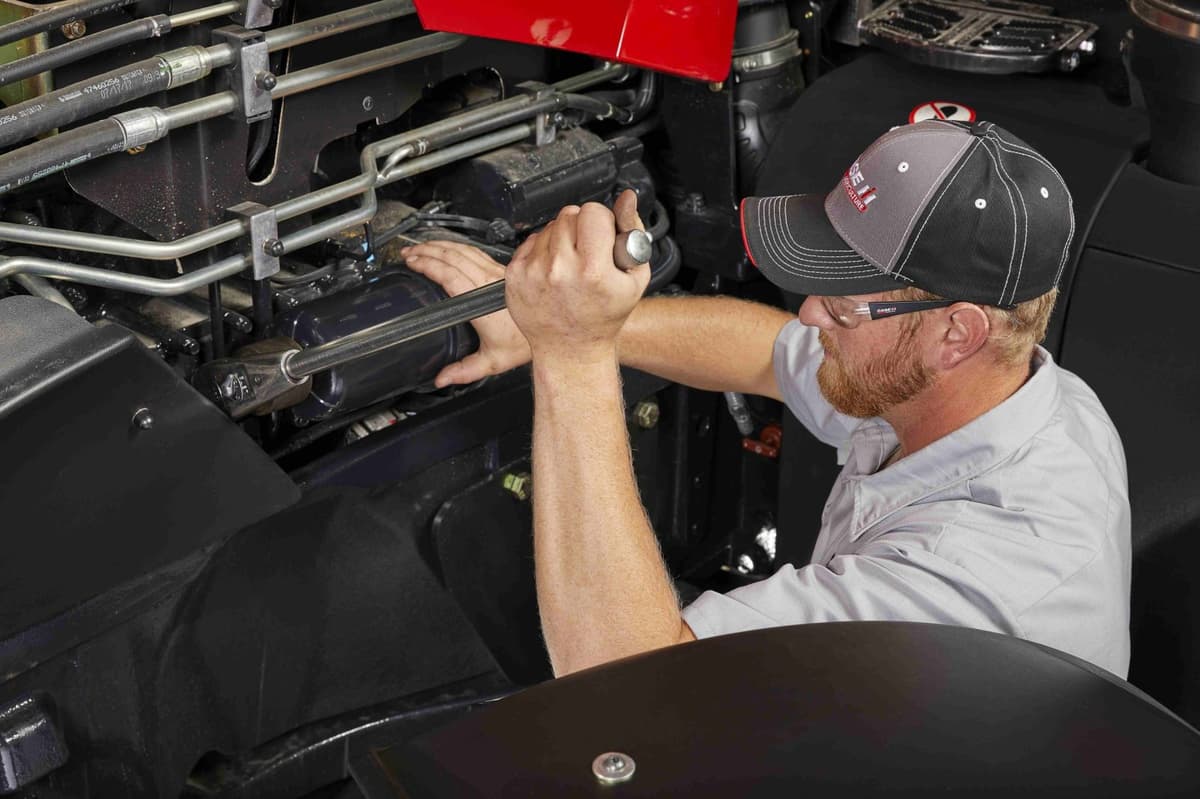
Reman Day Highlights Manifold Value of New Life for Parts
Companies Mentioned
Why It Matters
Remanufactured parts deliver immediate cost relief for farmers while advancing a circular economy that cuts waste and conserves resources, reshaping the ag‑equipment supply chain.
Key Takeaways
- •CNH cut raw‑material use by 5,200 tonnes in 2024 via reman
- •Reman parts cost 20‑30% less than new OEM equivalents
- •Two‑year warranty covers labor when installed by authorized dealers
- •CNH aims for 90% product recyclability by 2030
- •Over 20,000 applications available for remanufactured farm‑machinery components
Pulse Analysis
Reman Day has become a barometer for the agricultural sector’s shift toward sustainable maintenance practices. The event, spearheaded by the Remanufacturing Industries Council, gathers heavy‑equipment giants like John Deere, CNH Industrial, and AGCO to showcase how refurbished components can match new‑part performance. By extending the life of engines, transmissions, and hydraulics, manufacturers are not only cutting costs for end users but also reinforcing a circular economy that minimizes landfill waste and dependence on virgin raw materials.
Economic incentives are a primary driver of adoption. CNH’s 2024 data shows a 5,200‑tonne drop in raw‑material use, while John Deere’s Reman catalog now offers more than 2,300 parts that are 20‑30% cheaper than brand‑new OEM options. The two‑year warranty, which even covers labor when installed by authorized dealers, removes the perceived risk of using refurbished components. Dealers report faster turnaround times and a “plug‑and‑play” fit that eliminates costly modifications, translating into higher equipment uptime for farmers facing tight margins.
Environmental benefits reinforce the business case. CNH’s pledge to achieve 90% recyclability across new products by 2030 aligns with broader industry goals to reduce carbon footprints. Remanufacturing consumes up to 85% less energy than producing new parts, and the ability to salvage up to 85% of an engine for multiple life cycles dramatically lowers overall emissions. As fuel, freight, and input costs continue to pressure rural economies, the convergence of cost savings, warranty assurance, and measurable sustainability makes remanufactured parts a strategic imperative for the future of farm machinery.
Reman Day highlights manifold value of new life for parts
Comments
Want to join the conversation?
Loading comments...