Why It Matters
The work offers a practical route to replace petroleum‑based PA12 with a biodegradable polymer, advancing sustainability targets in additive manufacturing.
Key Takeaways
- •Biocarbon boosts IR absorption, lowering laser power
- •PHB sintering window expands with filler
- •Modulus rises, elongation drops in blends
- •Powder flow and reuse still problematic
- •Fit for low‑load, short‑life SLS parts
Pulse Analysis
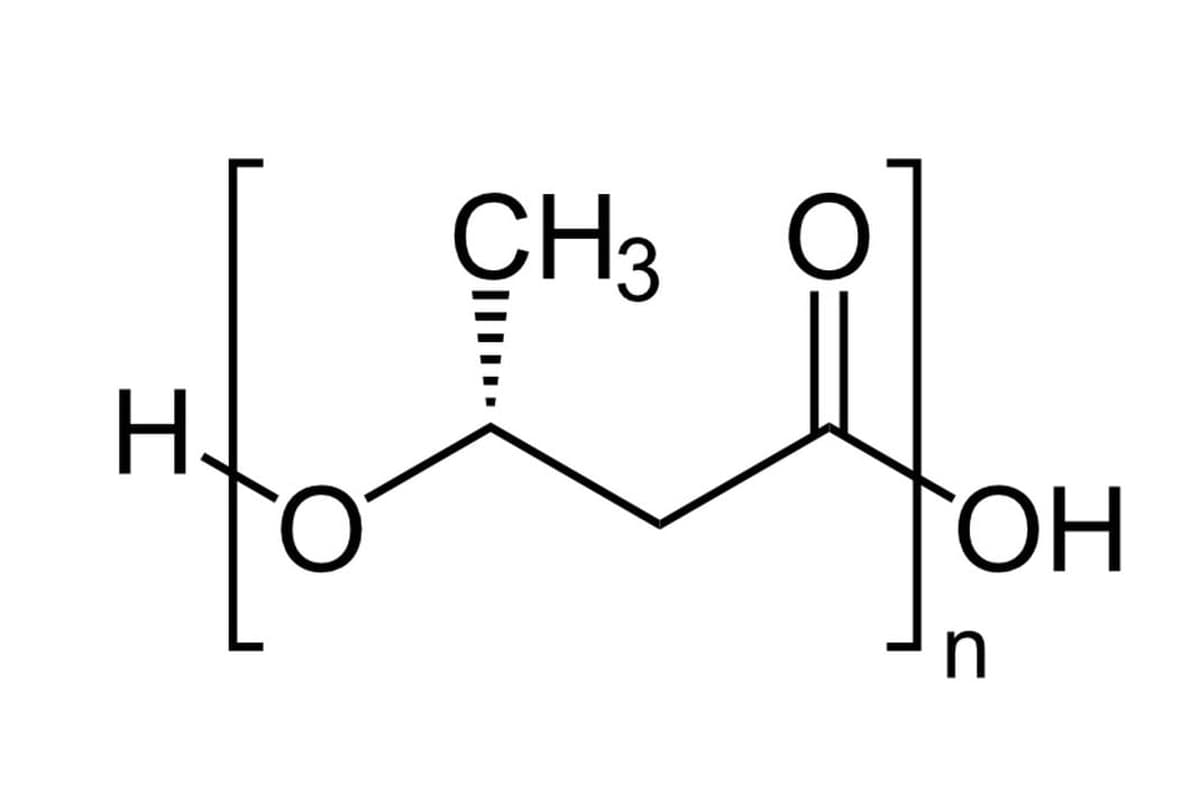
Selective laser sintering has been dominated by PA12 because of its forgiving processing window and reliable mechanical performance. However, growing pressure to reduce carbon footprints has spurred interest in bio‑based polymers such as polyhydroxybutyrate (PHB). PHB’s renewable origin and inherent biodegradability make it attractive for disposable fixtures, consumer goods, and medical models, yet its narrow thermal margin has limited adoption in powder‑bed fusion. The recent study addresses this gap by integrating a biocarbon filler, which acts as an efficient infrared absorber and nucleating agent, potentially reshaping the material’s sintering behavior.
Technical results indicate that biocarbon‑enhanced PHB absorbs laser energy more effectively, permitting a reduction in laser power while maintaining part density. This adjustment widens the viable sintering window, mitigating common defects such as warping, incomplete neck formation, and surface scorching. Mechanical testing shows a noticeable increase in modulus, confirming a stiffer matrix, but at the cost of reduced elongation at break. The filler also darkens the powder, influencing part aesthetics and complicating in‑situ thermal monitoring. Moreover, powder flow characteristics and long‑term recyclability remain open questions, as biocarbon may alter particle cohesion and aging behavior.
From a market perspective, PHB‑biocarbon blends could carve out a niche for environmentally conscious manufacturers seeking low‑load, short‑life components without overhauling existing SLS equipment. Service bureaus might leverage lower laser energy requirements to improve throughput and reduce operational costs. Nevertheless, broader adoption hinges on further validation of mechanical performance, dimensional stability, and powder reuse protocols. If future research confirms these parameters, the additive manufacturing industry could see a meaningful shift toward bio‑based powder options, aligning product development with circular‑economy principles.
Researchers Test SLS of PHB With Biocarbon
0
Comments
Want to join the conversation?
Loading comments...