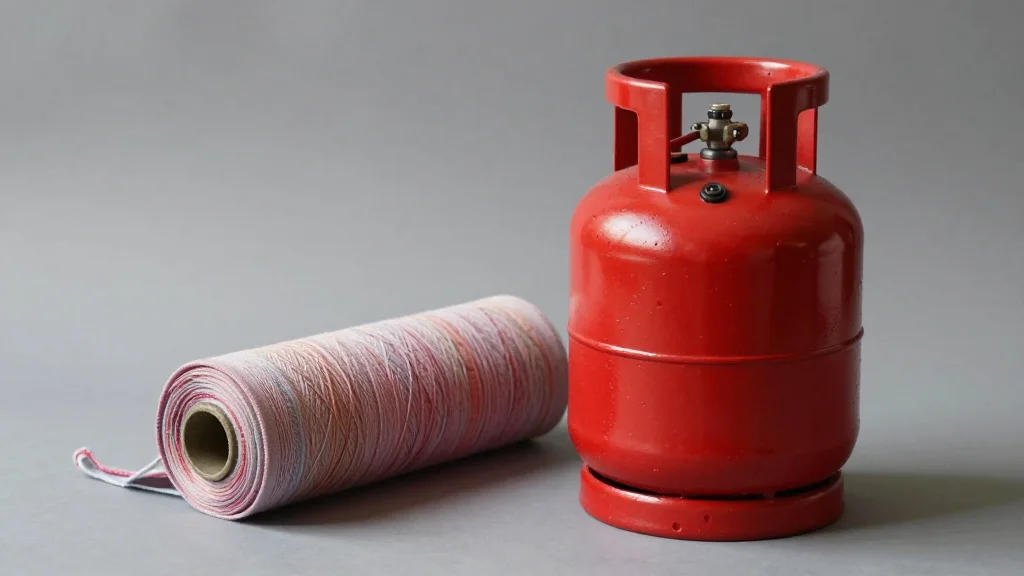
Rising LPG Costs Bleed Exporters’ Margins, Erode Competitiveness
Why It Matters
Rising energy and wage costs erode the price competitiveness of India’s apparel exports, risking order loss to lower‑cost producers and reducing vital foreign‑exchange inflows.
Key Takeaways
- •LPG cylinder price rose Rs 993 ($10.45) to >Rs 3000 ($31.56).
- •Exporters' margins squeezed as contracts lock prices, limiting pass‑through.
- •Tirupur knitwear exports worth $3.68‑4.21 billion face cost pressure.
- •Noida apparel firms also hit by rising wages and LPG costs.
- •Industrial LPG consumption up 47% YoY, still only 4% of total sales.
Pulse Analysis
India’s commercial LPG price jumped by Rs 993 (about $10.45) on May 1, pushing the cost of a 19‑kg cylinder above Rs 3,000 ($31.56). The hike mirrors a broader rise in international LPG benchmarks, which have been climbing since early 2024 due to tighter supply and higher demand in Asia and Europe. Although industrial LPG sales surged 47% year‑on‑year to 1.149 million metric tonnes in FY 2026, the segment still represents only roughly 4% of total public‑sector oil‑company volumes, underscoring its relatively small but increasingly costly role in Indian manufacturing.
The textile sector, which depends heavily on LPG for dyeing, finishing and steam generation, now faces a double‑digit cost increase that directly erodes already thin export margins. In Tirupur, the knitwear hub that ships Rs 35,000‑40,000 crore ($3.68‑$4.21 billion) annually, forward contracts lock sale prices, leaving little room to pass the fuel surge onto overseas buyers. Noida apparel exporters confront the same energy pressure while also absorbing a recent minimum‑wage hike that lifted unskilled pay from Rs 11,313 ($119) to Rs 13,690 ($144) per month, further tightening profitability for small and medium‑size units.
Higher energy and labour costs threaten India’s price advantage in global apparel markets, risking a shift of orders to lower‑cost producers in Bangladesh or Vietnam. The squeeze on margins could also depress foreign‑exchange earnings, a concern for a country that relies on textile exports for a sizable share of its trade surplus. Policymakers may need to consider targeted subsidies, tax relief for energy‑intensive units, or accelerated adoption of alternative fuels to restore competitiveness and protect the sector’s employment base.
Rising LPG costs bleed exporters’ margins, erode competitiveness
Comments
Want to join the conversation?
Loading comments...