Risk of Catastrophic Explosion Declared Eliminated at GKN Aerospace Chemical Tank

Why It Matters
The elimination of a BLEVE risk at a major aerospace supplier highlights the thin line between routine industrial operations and catastrophic failure. A breach in a chemical tank can halt production, disrupt supply chains for aircraft manufacturers, and trigger costly regulatory scrutiny. By averting a disaster, Orange County officials preserved not only public safety but also the continuity of a key node in the U.S. aerospace manufacturing ecosystem. Beyond the immediate community, the event raises questions about the adequacy of existing safety standards for large‑volume chemical storage in high‑tech manufacturing. As the industry pushes toward more complex composite materials, the volume of flammable precursors like methyl methacrylate is likely to increase, making robust risk‑mitigation protocols essential to prevent future incidents that could jeopardize both lives and the broader supply chain.
Key Takeaways
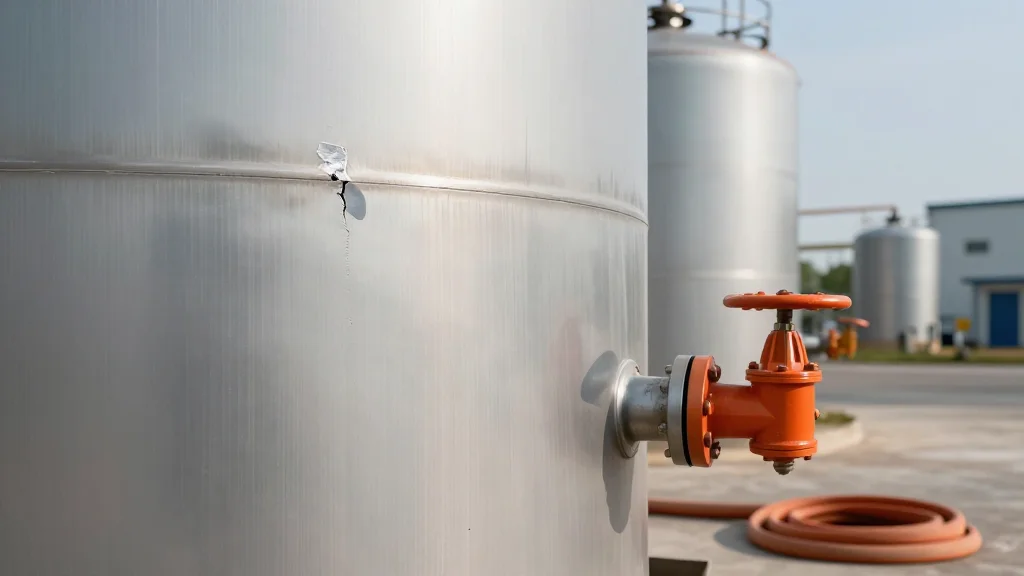
- •Crack in 6,000‑7,000‑gallon methyl methacrylate tank relieved pressure, ending BLEVE threat
- •Temperature dropped from 100 °F to 93 °F after firefighting cooling efforts
- •Approximately 34,000 of 50,000 evacuated residents cleared to return home
- •Orange County Fire Authority division chief Craig Covey emphasized ongoing fire and spill risks
- •EPA and local air‑quality agencies will monitor the site for months
Pulse Analysis
The Garden Grove incident is a stark reminder that even well‑established aerospace manufacturers are vulnerable to chemical‑storage failures. Historically, BLEVE events have been rare in the United States, but when they occur they can cripple regional economies and erode public trust in high‑tech manufacturing. The rapid, coordinated response—leveraging drones, real‑time thermal data, and a presidential emergency declaration—demonstrates a maturing emergency‑management playbook that other industrial clusters can emulate.
From a market perspective, the episode may accelerate investment in safety‑technology startups that offer advanced tank monitoring, automated pressure‑relief systems, and AI‑driven predictive maintenance. Companies that can certify compliance with stricter standards could gain a competitive edge, especially as defense and commercial aircraft programs tighten risk‑assessment criteria. Moreover, insurers are likely to reassess premiums for facilities handling large volumes of flammable liquids, potentially driving up operating costs for manufacturers.
Looking forward, regulators may push for mandatory secondary containment and continuous temperature logging for tanks above a certain capacity. If such measures become standard, manufacturers will need to allocate capital toward retrofitting existing infrastructure—a cost that could be offset by reduced liability and uninterrupted production. The Garden Grove case thus serves as both a cautionary tale and a catalyst for a new wave of safety innovation in the manufacturing sector.
Risk of Catastrophic Explosion Declared Eliminated at GKN Aerospace Chemical Tank
Comments
Want to join the conversation?
Loading comments...