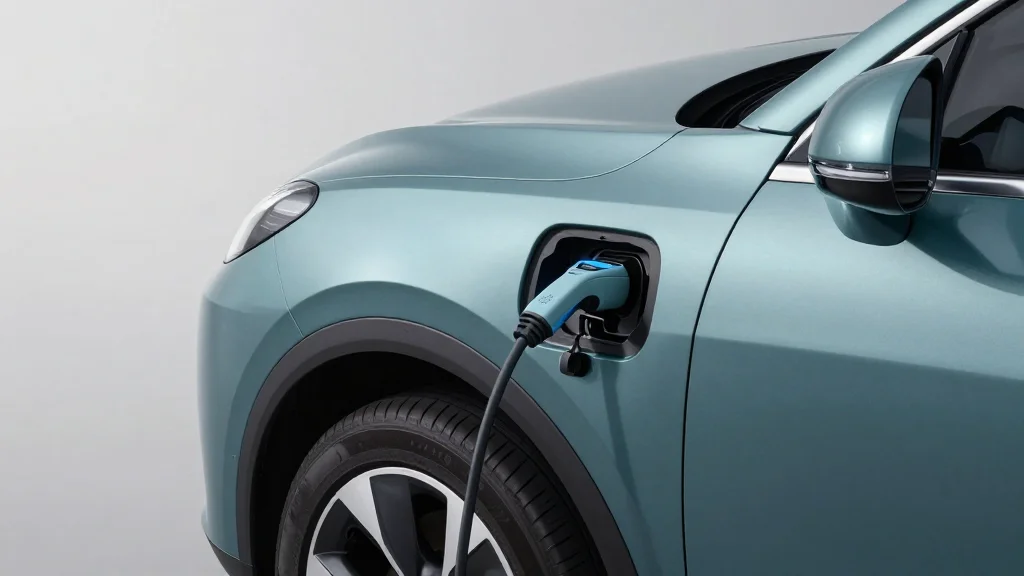
Rivian Confirms June 9 Launch of R2 SUV, Stock Jumps 7% as Production Ramps Up

Companies Mentioned
Why It Matters
The R2 launch marks Rivian’s first foray into a mass‑market electric SUV, a segment that has been dominated by Tesla. By offering a lower‑priced, adventure‑oriented vehicle, Rivian aims to broaden its customer base and generate higher factory utilization rates at its Normal plant. The anticipated production cost reduction could improve margins and set a new benchmark for cost efficiency in U.S. EV manufacturing. If Rivian can meet its delivery targets and sustain demand, the ripple effect will extend to a network of suppliers, from battery manufacturers to specialty suspension makers, reinforcing the United States’ position as a hub for next‑generation automotive production. Conversely, any shortfall could exacerbate the cash‑burn concerns that have plagued the company since its 2021 IPO.
Key Takeaways
- •June 9, 2026: Rivian begins firm order invitations and demo drives for the R2 SUV.
- •Performance trim priced at $57,990; Premium at $53,990; Standard at $48,490.
- •Rivian stock rose 7.24% to $16.30; trading volume hit 56.6 million shares.
- •Company claims R2 production costs are about 50% lower than the R1 platform.
- •First deliveries expected within 2‑6 weeks of order confirmation, targeting 30,000 units by end‑2026.
Pulse Analysis
Rivian’s R2 launch is a calculated bet on volume that could finally shift the company from a niche adventure‑vehicle maker to a mainstream EV contender. The pricing strategy directly challenges the Tesla Model Y, but Rivian’s differentiators—off‑road‑ready suspension, higher towing capacity, and a robust software stack—may attract a distinct buyer segment that values utility over pure efficiency. The real test will be whether the claimed 50% cost reduction materializes at scale. If successful, Rivian could improve its gross margin from the sub‑10% levels seen on the R1 models to a more sustainable range, easing the cash‑burn that has kept the stock depressed since its 2021 IPO.
From a manufacturing perspective, the R2’s smaller footprint allows Rivian to leverage existing tooling while introducing new modular components. This hybrid approach reduces capital outlay and shortens the ramp‑up timeline, a critical advantage in an industry where delays can erode market share. Moreover, the staggered trim rollout spreads production demand over several years, giving suppliers time to scale capacity and mitigate bottlenecks that have plagued other EV rollouts.
Looking ahead, the market will gauge Rivian’s success by the speed and quality of the first deliveries, the actual cost savings achieved, and the company’s ability to sustain demand beyond the initial hype. A strong start could catalyze further investment in U.S. EV manufacturing infrastructure, while a stumble may reinforce skepticism about the viability of smaller EV startups competing with entrenched players.
Rivian Confirms June 9 Launch of R2 SUV, Stock Jumps 7% as Production Ramps Up
Comments
Want to join the conversation?
Loading comments...