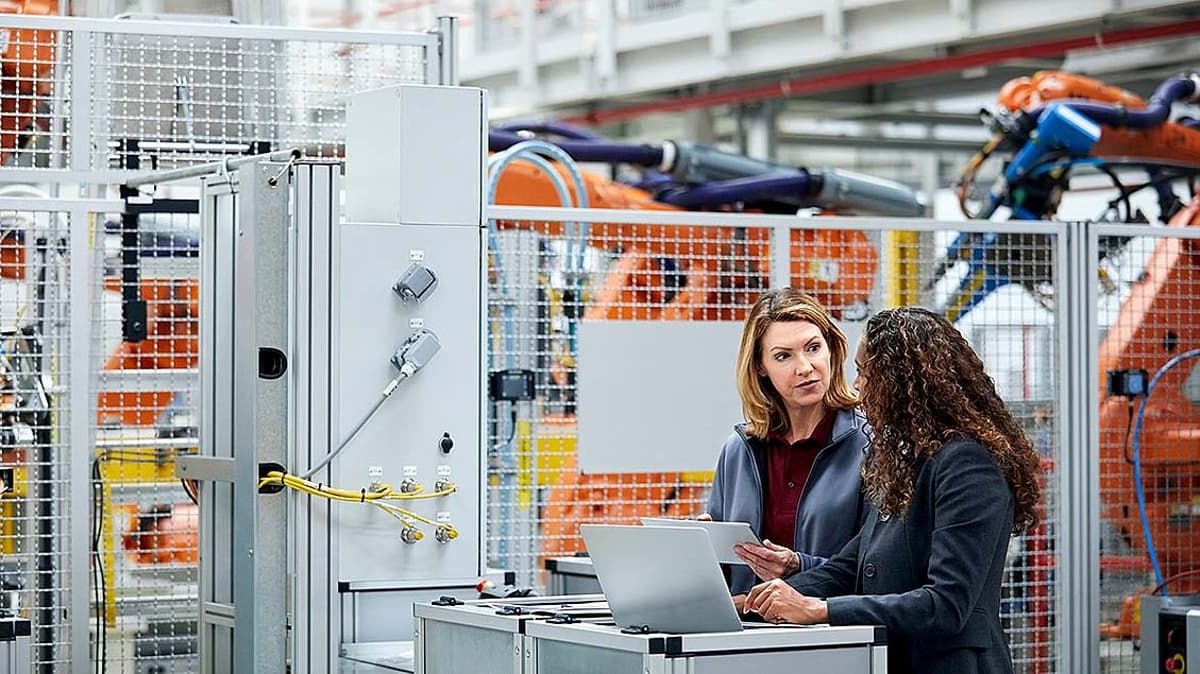
Robots, Intelligent Machines, and the New Era of Inspection
Why It Matters
The ability to automate inspection gives manufacturers a tangible productivity boost and a strategic quality advantage, addressing labor shortages and the complexity of high‑mix production. Companies that adopt Physical AI early will create a durable competitive gap.
Key Takeaways
- •US robot density: 307 per 10,000 workers, below peers
- •Physical AI boosts inspection speed, reduces scrap, improves traceability
- •High-mix, low-volume production hinders traditional robotics adoption
- •Metrology automation yields ROI in 12‑18 months, 450 deployments
- •Operator training and acceptance crucial for successful automation
Pulse Analysis
The manufacturing floor is finally catching up with the digital transformation that reshaped offices years ago. A tight integration of collaborative robots, high‑speed 3D scanners, deep‑learning‑driven vision systems, and augmented‑reality overlays—collectively dubbed Physical AI—is turning inspection from a manual bottleneck into a data‑rich, automated process. While the United States lags behind Europe and Asia with only about 307 robots per 10,000 workers, the same convergence that propelled CNC machines into mainstream is now lowering the barrier for shop‑floor robotics.
Inspection, long the weakest link in high‑mix, low‑volume (HMLV) production, is benefitting most from this wave. Modern metrology automation blends structured‑light scanning, AI‑enhanced vision, and AR guidance into a single workflow that captures tolerances in seconds and feeds traceable data to ERP and quality systems. Companies that have deployed such solutions report return‑on‑investment within 12 to 18 months, dramatic cuts in scrap and rework, and consistent quality across thousands of part numbers—outcomes that traditional robot programming could not achieve cost‑effectively.
The shift has clear business ramifications. Shrinking pools of skilled inspectors and rising labor costs make automated, AI‑driven quality control a competitive necessity rather than a nice‑to‑have. Moreover, traceability requirements from regulators and customers demand digital inspection records, positioning intelligent inspection as a strategic advantage. Success, however, still hinges on people: operators must be trained, involved in deployment decisions, and given ownership of the new tools. Firms that master this human‑machine partnership will unlock higher throughput, lower waste, and the agility needed for tomorrow’s customized manufacturing demand.
Robots, Intelligent Machines, and the New Era of Inspection
Comments
Want to join the conversation?
Loading comments...