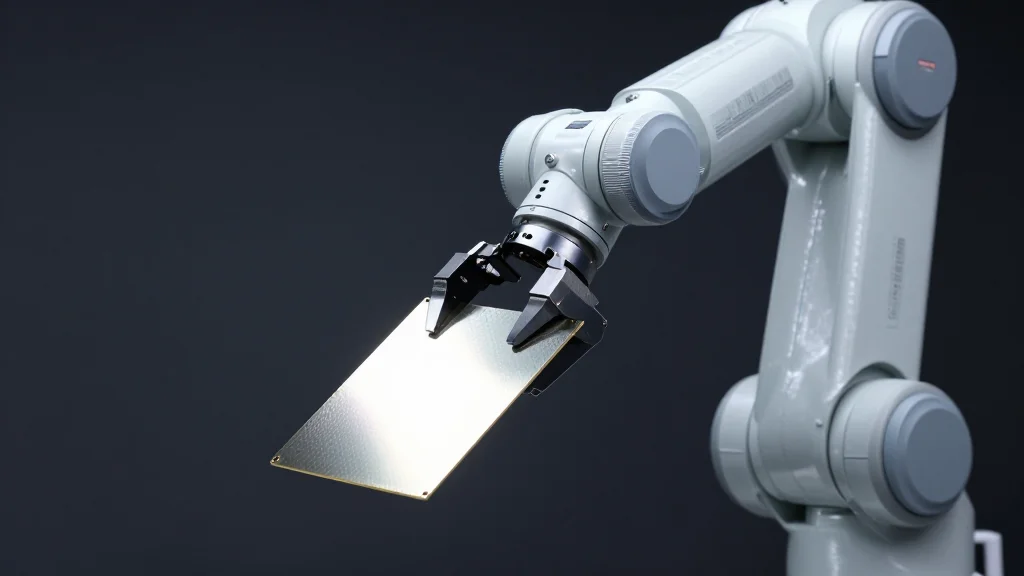
Rockwell Automation Lifts 2026 Profit Outlook as Automation Demand Surges

Companies Mentioned
Why It Matters
The profit‑forecast lift signals that automation is moving from a niche upgrade to a core growth engine for U.S. manufacturers. Higher margins on intelligent devices suggest that hardware‑centric automation is becoming more cost‑effective, encouraging broader adoption across mid‑size plants that previously hesitated due to capital constraints. Moreover, the convergence of robotics demand across disparate industries—from data centers to semiconductor fabs—indicates a systemic shift toward integrated, software‑driven production lines, which could reshape supply‑chain dynamics and labor requirements. For investors, the upgrade underscores a re‑rating of the industrial automation sector, with companies like Rockwell, Teradyne and even automotive OEMs such as Tesla now viewed as beneficiaries of a macro‑level productivity push. The trend also raises strategic questions for manufacturers about how quickly they can retrofit legacy equipment, manage talent gaps in robotics engineering, and navigate trade‑related cost pressures while maintaining competitive output.
Key Takeaways
- •Rockwell Automation raised its 2026 profit outlook after Q2 sales hit $2.2 billion, up 12% YoY.
- •Intelligent‑devices segment posted $1 billion in revenue, a 13% increase, with margins up >3 percentage points.
- •U.S. manufacturing PMI rose to 52.7 in March, indicating expanding factory activity.
- •Tesla’s Elon Musk called the upcoming Optimus robot the “biggest product ever,” highlighting cross‑industry automation bets.
- •Trade volatility and geopolitical uncertainty are delaying some large‑scale capital projects in automotive and CPG sectors.
Pulse Analysis
Rockwell’s forecast upgrade is less a one‑off earnings surprise and more a bellwether for a structural acceleration in U.S. manufacturing automation. The company’s ability to translate higher demand into margin expansion suggests that the cost curve for intelligent devices is flattening, a development that could democratize advanced automation for smaller factories. Historically, automation adoption has been paced by large‑scale capital projects; today, the data‑center boom and semiconductor fab expansions are providing new, high‑margin avenues for automation vendors.
The competitive landscape is also evolving. Teradyne’s focus on test‑and‑measurement robotics and Tesla’s foray into humanoid robots illustrate divergent strategies to capture the same macro‑trend. While Rockwell leans on its entrenched control‑system ecosystem, newcomers are leveraging AI and flexible robot platforms to win market share. This divergence could spur a wave of M&A activity as legacy players seek to acquire AI capabilities, while pure‑play robotics firms look for stable, recurring revenue streams.
Looking forward, the key risk remains the macro‑economic backdrop. Persistent trade disputes and supply‑chain disruptions could curb the willingness of capital‑intensive manufacturers to invest, especially in the automotive sector where margins are already thin. However, the underlying demand drivers—rising labor costs, the need for higher productivity, and the push for reshoring—are likely to sustain automation spending. Companies that can offer modular, software‑first solutions at predictable cost will be best positioned to capture the next wave of growth, making the current profit‑forecast lift a harbinger of a broader, technology‑driven renaissance in manufacturing.
Rockwell Automation lifts 2026 profit outlook as automation demand surges
Comments
Want to join the conversation?
Loading comments...