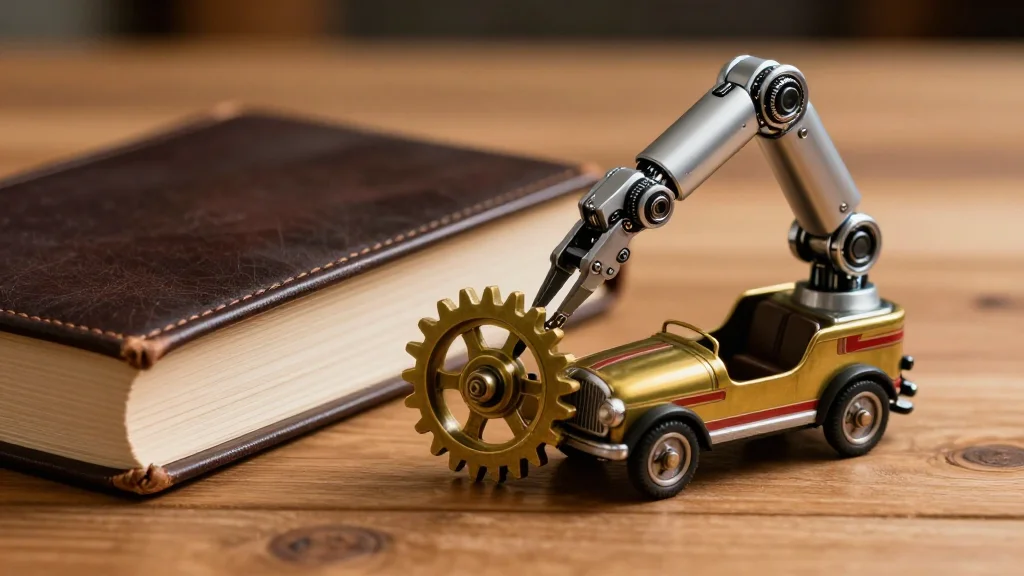
Roland Betancourt on Disneyland and the Rise of Automation
Why It Matters
The book shows how entertainment can accelerate public acceptance of disruptive tech, offering a blueprint for navigating current AI apprehensions. Understanding this historical precedent helps businesses and policymakers shape more palatable tech rollouts.
Key Takeaways
- •Disneyland’s rides acted as early public demos of automation technology.
- •Betancourt links 1950s automation anxiety to today’s AI panic.
- •Theme parks serve as living labs for testing mass‑scale tech adoption.
- •Archival research spans corporate, military, and cultural records.
- •Art‑historical lens shows narrative masks complex machinery.
Pulse Analysis
When Disneyland opened in 1955, its engineered attractions did more than delight visitors; they functioned as large‑scale demonstrations of emerging automation. By integrating sensors, conveyor‑style tracks, and Audio‑Animatronics, the park translated factory floor processes into a narrative playground. Betancourt’s research, anchored in patents, corporate memos, and even declassified missile documents, uncovers how Disney deliberately borrowed Cold‑War industrial techniques to craft a seamless, entertaining experience that subtly educated the public about mechanized systems.
The relevance of this historical case spikes amid today’s AI frenzy. Just as mid‑century audiences reconciled job‑loss fears by watching robots perform, modern consumers engage with generative AI through chatbots, image generators, and personalized recommendations. Betancourt argues that when technology is wrapped in story, character, and leisure, its perceived threat diminishes. This psychological shift—turning complex algorithms into playful assistants—mirrors the Disneyland model, suggesting that cultural framing can be a decisive factor in technology adoption.
For industry leaders and policymakers, the lesson is clear: successful rollout of disruptive tech may depend as much on narrative design as on technical merit. Embedding AI within familiar, user‑friendly contexts—whether in gaming, education, or workplace tools—can ease anxiety and accelerate acceptance. Betancourt’s interdisciplinary approach, blending art‑history with engineering archives, also invites scholars to treat entertainment venues as legitimate sites of technological innovation, expanding the toolkit for future tech‑policy research.
Roland Betancourt on Disneyland and the Rise of Automation
Comments
Want to join the conversation?
Loading comments...