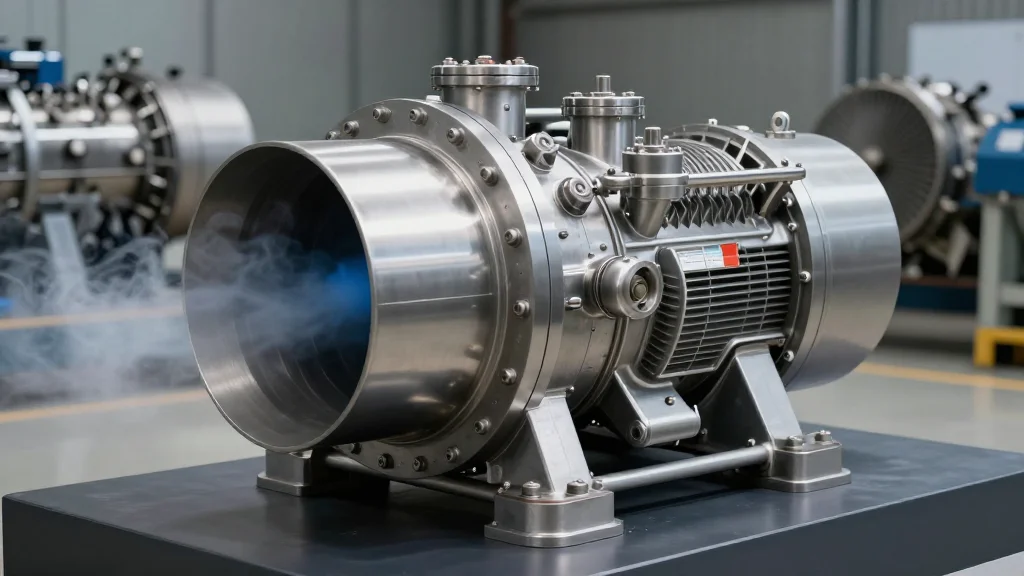
Russia Declares Breakthrough in LNG Compressor Manufacturing Capability
Companies Mentioned
Why It Matters
Domestic compressor capability lessens Russia's vulnerability to sanctions and keeps its flagship LNG projects on track, preserving future export revenues as Europe phases out Russian gas. It also strengthens Moscow’s broader push for energy self‑reliance.
Key Takeaways
- •Kazankompressormash opens $84 M compressor test plant.
- •Prototype compressor runs on 130 MW turbine or 80 MW electric drive.
- •Facility replicates real LNG plant conditions, previously only abroad.
- •Reduces Russia's dependence on Western compressor suppliers.
- •Supports Baltic and Murmansk LNG projects of ~6.5‑6.8 Mtpa.
Pulse Analysis
Since the 2022 sanctions that forced Linde, Baker Hughes and other Western firms out of Russia, the country's LNG ambitions have been hamstrung by a lack of critical equipment. Compressors, which drive the refrigeration cycles that turn natural gas into liquid, are among the most sophisticated components and were previously sourced from a handful of overseas test facilities. By establishing a home‑grown assembly and testing center, Kazankompressormash is addressing a strategic bottleneck, signaling Moscow’s determination to achieve self‑sufficiency in high‑tech energy infrastructure.
The new facility houses a centrifugal compressor capable of operating on either a 130 MW gas turbine or an 80 MW electric drive, delivering up to 98 bars of pressure needed for the Linde MFC2 liquefaction process. Its test rigs use actual feed gas and replicate the three‑stage cooling to –162 °C, mirroring conditions at full‑scale LNG trains. This capability directly supports the Baltic LNG and Murmansk LNG projects, each designed for 6.5‑6.8 million tonnes per year, and reduces the projects’ exposure to foreign supply chain disruptions.
With the European Union set to ban all Russian gas imports by January 2028, the ability to produce domestically manufactured compressors bolsters Russia’s pivot toward Asian markets, where demand for LNG remains robust. The $84 million subsidy underscores the Kremlin’s willingness to invest heavily in critical industrial assets. If the prototype moves to commercial scale, it could revive stalled export projects, safeguard revenue streams, and potentially open a new export niche for Russian‑made LNG equipment, reshaping the global LNG supply landscape.
Russia declares breakthrough in LNG compressor manufacturing capability
Comments
Want to join the conversation?
Loading comments...