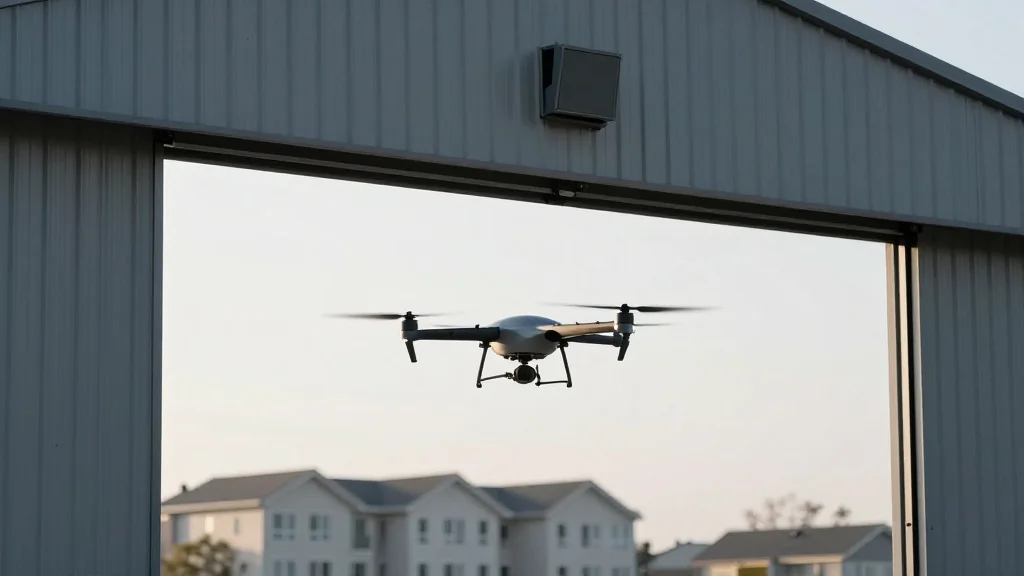
Russia Expands Alabuga Drone Hub by 340 Hectares and Restarts Re‑exports to Iran

Why It Matters
The Alabuga expansion marks a decisive step in Russia’s strategy to sustain its high‑tech defense sector despite sanctions, turning a domestic production hub into a regional export engine. By re‑exporting refined Geran drones to Iran, Moscow not only deepens its strategic alignment with Tehran but also creates a new supply chain that can fuel conflicts beyond Ukraine, complicating Western efforts to contain the spread of unmanned weaponry. The use of the Caspian Sea as a logistical corridor further erodes the effectiveness of existing maritime sanctions regimes, highlighting the need for new monitoring mechanisms. For manufacturers and supply‑chain actors in the defense industry, the development underscores how state‑driven expansion can rapidly alter market dynamics, shifting demand for components, software, and maintenance services toward regions previously insulated by sanctions. Companies operating in the drone ecosystem will need to reassess risk exposure and compliance frameworks as the Russia‑Iran partnership gains momentum.
Key Takeaways
- •Alabuga SEZ footprint grew by 340 hectares between May 2025 and May 2026.
- •A new 450‑hectare construction site south of the M‑12 highway began in April 2026.
- •Geran strike drones, originally based on Iranian Shahed tech, are now being re‑exported to Iran.
- •The Caspian Sea serves as a primary corridor for Russia‑Iran drone component transfers.
- •Expansion aims to double Geran drone output by late 2026, boosting Russia’s defense export capacity.
Pulse Analysis
The rapid scaling of Alabuga reflects a broader trend of state‑led industrial acceleration in sanctioned economies. By investing heavily in physical infrastructure, Russia is attempting to internalize the entire drone value chain—from design tweaks to final assembly—thereby reducing reliance on foreign parts that are vulnerable to export controls. This mirrors earlier Russian moves in the aerospace sector, where large‑scale facilities were built to offset Western embargoes.
The decision to re‑export Geran drones to Iran is equally strategic. It transforms a one‑way technology transfer into a reciprocal relationship, allowing Moscow to monetize its engineering upgrades while giving Tehran a ready supply of proven strike platforms. This reciprocity could incentivize further joint R&D, potentially leading to a new generation of hybrid drones that blend Russian avionics with Iranian endurance capabilities. Such a development would raise the bar for counter‑UAV measures across multiple theaters.
From a market perspective, the Alabuga expansion could reshape the competitive landscape for drone manufacturers worldwide. Western firms that have dominated the export market may find their share eroded as Russia and Iran develop a self‑sustaining ecosystem. Moreover, the use of the Caspian Sea as a logistics blind spot highlights a gap in current sanctions enforcement that could be exploited by other sanctioned actors. Policymakers may need to consider multilateral maritime monitoring initiatives that extend beyond traditional chokepoints like the Strait of Hormuz.
Overall, the Alabuga project signals a long‑term commitment by Russia to maintain and grow its unmanned warfare capabilities, even as external pressures mount. The ripple effects will be felt not only on the battlefield but also in the global supply chain for drone components, software, and maintenance services, prompting a reassessment of risk for firms operating in this high‑stakes arena.
Russia expands Alabuga drone hub by 340 hectares and restarts re‑exports to Iran
Comments
Want to join the conversation?
Loading comments...