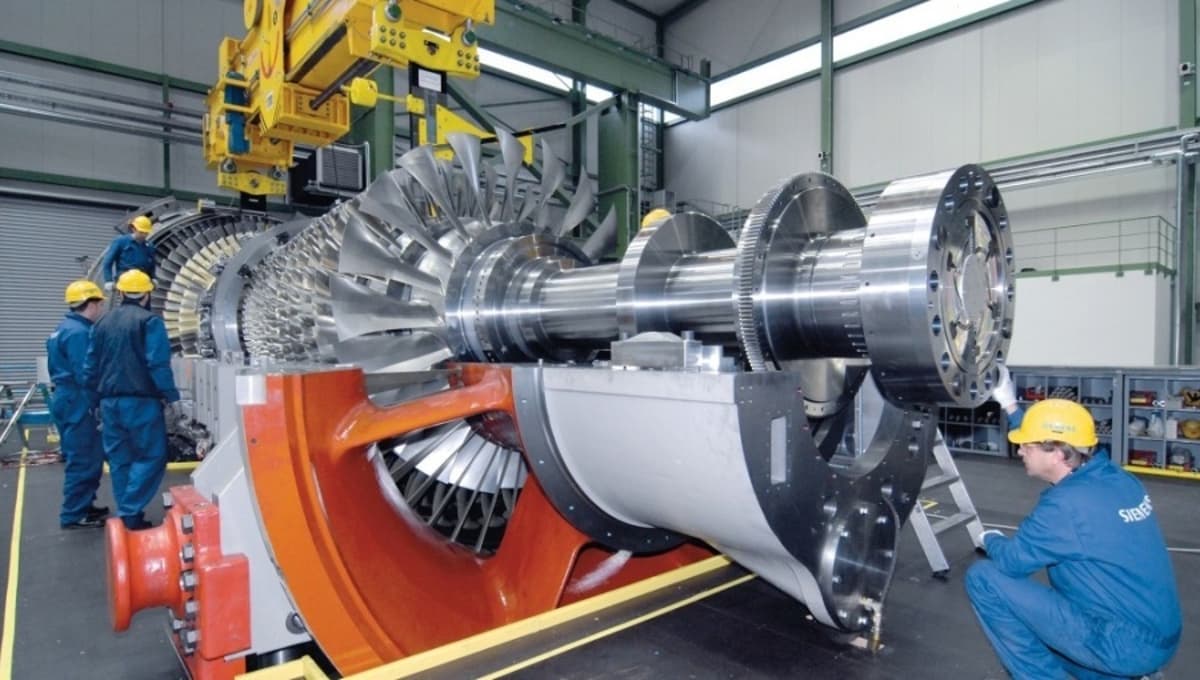
Russia's Machine and Tool Production Growing Fast on Innovation Forced by Sanctions
Why It Matters
The surge demonstrates Russia’s ability to rebuild critical manufacturing under sanctions, altering global component sourcing and reinforcing its defence‑industrial base. It also signals a longer‑term challenge for Western firms seeking market access in the region.
Key Takeaways
- •Domestic machine‑tool share rose to 34% from ~13% in 2018.
- •Annual sector growth estimated at 30‑40% since 2022 sanctions.
- •State subsidies, localisation incentives, and defence orders drive capacity expansion.
- •High‑end CNC systems still rely on imported components, limiting quality.
- •China fills part of Western gap, but logistics and tech risks remain.
Pulse Analysis
The 2022 sanctions regime acted as a catalyst for Russia’s lagging precision‑machining industry, which had long depended on German and Japanese imports. Decades of underinvestment left the sector technologically obsolete, but the abrupt loss of foreign equipment forced local firms to redesign production lines and develop home‑grown designs. This forced innovation mirrors earlier adaptations in unrelated sectors, such as cheese production, where domestic substitutes quickly emerged to fill market voids.
Today, domestic machine‑tool manufacturers account for roughly a third of the market, a jump from barely a tenth in 2018. Growth rates of 30‑40% annually are being sustained by a blend of state‑driven financing, localisation incentives, and a steady stream of defence contracts tied to the ongoing conflict in Ukraine. These policies have unlocked capacity in factories that previously struggled to compete on price or quality, enabling Russian firms to supply critical components for aerospace, automotive and defence projects that were once sourced abroad.
Despite the impressive volume gains, the sector still trails in high‑precision technology. Advanced CNC controls, ultra‑precision spindles and specialty alloys remain heavily reliant on imported parts, chiefly from China, which itself faces logistical bottlenecks and geopolitical risk. Continued progress will hinge on securing a stable supply of these critical inputs and investing in domestic R&D to close the quality gap. For global manufacturers, Russia’s pivot reshapes supply‑chain calculations, presenting both new sourcing opportunities and heightened political risk.
Russia's machine and tool production growing fast on innovation forced by sanctions
Comments
Want to join the conversation?
Loading comments...