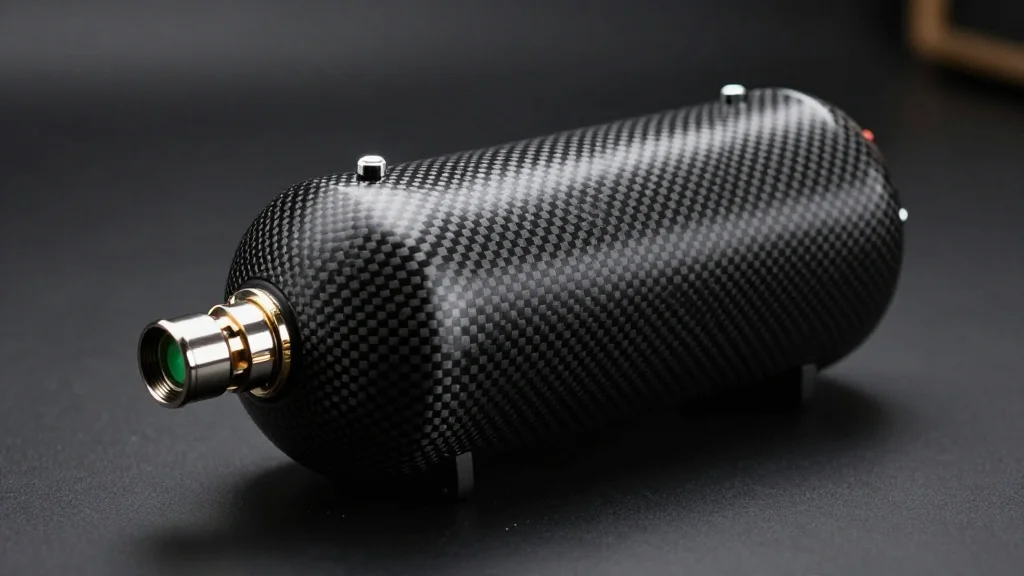
RVmagnetics, Testia Launch Project to Embed MicroWire Sensors in Composite Pressurized Tanks
Why It Matters
HyDDIM could unlock hydrogen use for logistics, industry and drones by eliminating costly refuelling infrastructure, accelerating decarbonisation across multiple sectors.
Key Takeaways
- •HyDDIM creates 15 L, 350 bar hydrogen capsules for swap‑and‑go use.
- •Capsules store ~340 g hydrogen, 20% lighter than traditional cylinders.
- •Hydros Power handles production, filling, and last‑mile delivery.
- •Target markets include drones, logistics hubs, and industrial sites.
- •Project aims 28% cost cut versus conventional refuelling stations.
Pulse Analysis
The HyDDIM initiative tackles one of hydrogen’s biggest adoption hurdles: the need for expensive, centralized refuelling stations. By packaging high‑pressure hydrogen in lightweight, recyclable thermoplastic composite (TPC) capsules, NGT and Hydros Power create a plug‑and‑play solution that can be delivered directly to end users. This approach mirrors the convenience of propane or gasoline canisters, but with zero‑carbon fuel, making it especially attractive for sectors that require rapid turnaround, such as drone fleets and last‑mile logistics.
Beyond convenience, the technical advantages of the TPC capsule are significant. Operating at 350 bar, the 15‑liter vessel stores roughly 340 grams of hydrogen—enough to power medium‑range fuel‑cell drones for several hours—while weighing about 20% less than steel or aluminum cylinders. The lighter weight reduces payload penalties, extending range and payload capacity for aerial and ground vehicles. Moreover, the recyclable nature of the composite aligns with circular‑economy goals, addressing environmental concerns tied to traditional metal tanks.
Economically, HyDDIM promises a 28% cost reduction compared with conventional refuelling infrastructure, according to Hydros Power. This savings stems from eliminating the capital‑intensive station build‑out and leveraging existing green‑hydrogen production sites for capsule filling. With the project slated to reach a pilot phase by mid‑2028, investors and early adopters can anticipate a commercially viable, scalable model that could accelerate hydrogen’s penetration in niche markets and lay groundwork for broader industrial decarbonisation.
RVmagnetics, Testia launch project to embed MicroWire sensors in composite pressurized tanks
Comments
Want to join the conversation?
Loading comments...