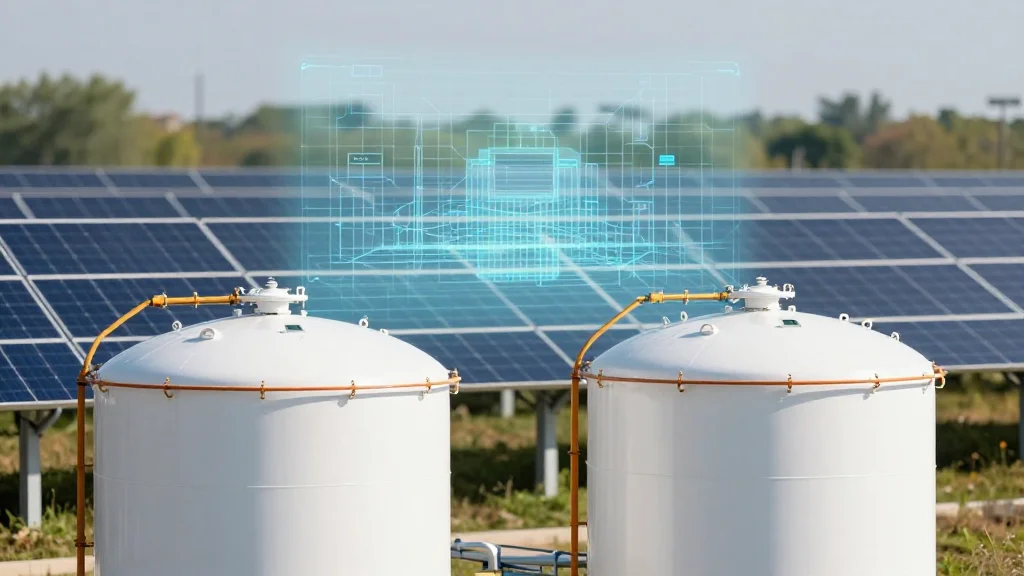
Samsung C&T Deploys Digital Twin at Green Hydrogen Plant to Stabilize Solar‑Powered Production

Companies Mentioned
Why It Matters
Digital‑twin adoption in renewable‑energy construction signals a shift from static, on‑site monitoring to proactive, data‑driven plant management. By mitigating solar intermittency, Samsung C&T’s approach could lower the levelized cost of green hydrogen, making it more competitive against fossil‑based production. The move also illustrates how traditional EPC firms are leveraging AI and simulation to create new revenue streams, potentially accelerating the rollout of clean‑energy infrastructure worldwide. For investors and policymakers, the success of Samsung C&T’s twin could set a benchmark for integrating advanced analytics into large‑scale energy projects, encouraging further funding for AI‑enabled sustainability solutions and influencing standards for future green‑hydrogen facilities.
Key Takeaways
- •Samsung C&T and Simacro launch a predictive digital‑twin at Gimcheon’s 230‑ton‑per‑year solar hydrogen plant.
- •AI model forecasts weather‑driven solar output and calculates supplemental power to keep hydrogen production stable.
- •Digital twin aims to become Samsung C&T’s standard offering for future renewable‑energy plant operations.
- •Samsung Group’s wider digital‑twin push includes Samsung Electronics’ AI‑factory with 50,000 GPUs and Samsung SDS’s cloud‑twin integration.
- •If successful, the technology could lower green‑hydrogen costs and speed up construction of clean‑energy projects globally.
Pulse Analysis
Samsung C&T’s digital‑twin deployment marks a strategic inflection point for EPC firms that have traditionally competed on cost and schedule alone. By embedding AI‑driven simulation into the operational core of a green‑hydrogen plant, the company is moving up the value chain toward managed‑services contracts, where recurring revenue can outpace one‑off construction fees. This mirrors the broader industry trend where data ownership becomes a differentiator, as seen in the semiconductor supply chain’s AI‑factory initiatives.
Historically, renewable‑energy projects have suffered from output volatility, especially solar‑based systems, which has hampered financing and long‑term power‑purchase agreements. Samsung C&T’s twin directly addresses this pain point, offering a quantifiable risk‑mitigation tool that could unlock cheaper capital. If the Gimcheon pilot demonstrates measurable improvements in capacity factor and operational uptime, it could set a new standard for green‑hydrogen projects, prompting competitors to accelerate their own digital‑twin programs.
Looking ahead, the real test will be scalability. The twin’s efficacy hinges on high‑resolution weather data, robust AI models, and seamless integration with plant control systems—components that require significant upfront investment. Samsung’s ability to package these capabilities into a commercially viable product will determine whether the digital‑twin becomes a ubiquitous industry service or remains a niche offering for flagship projects. The next six months, as Samsung C&T seeks to commercialise the Gimcheon model, will be critical for gauging market appetite and the broader impact on clean‑energy infrastructure economics.
Samsung C&T Deploys Digital Twin at Green Hydrogen Plant to Stabilize Solar‑Powered Production
Comments
Want to join the conversation?
Loading comments...