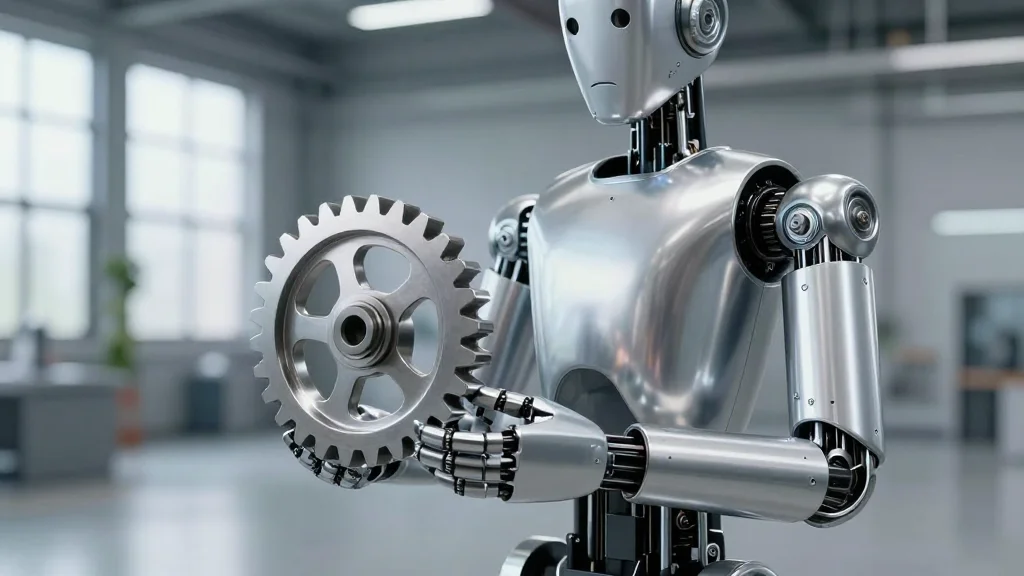
Schaeffler Forecasts Huge Orders for Humanoid Robotics by 2030
Companies Mentioned
Why It Matters
The forecast signals a major shift for Schaeffler from traditional automotive parts toward high‑growth automation, diversifying revenue and positioning the firm in the emerging humanoid robot supply chain.
Key Takeaways
- •Schaeffler targets €100‑200M order book by 2030.
- •Collaborates with ~45 global humanoid robotics firms.
- •Aims for 10% of €1B addressable market.
- •Secured first actuator contracts for robotics components.
- •Robotics segment shields stock despite <1% sales share.
Pulse Analysis
The global humanoid robotics market is moving from niche research labs toward commercial scale, with analysts projecting at least one million units produced annually by the end of the decade. Drivers include advanced manufacturing, logistics, and service applications that demand dexterous, mobile machines. As component costs fall and AI capabilities improve, the total addressable spend on robot materials is estimated at roughly €2 billion, creating a fertile environment for suppliers that can provide high‑precision gears, actuators, and sensor systems.
Schaeffler is leveraging its deep expertise in precision bearings and strain‑wave gears to become a key tier‑one supplier for this nascent ecosystem. By partnering with around 45 robotics firms and securing five early‑stage contracts, the company has positioned itself to capture about 10% of the €1 billion segment of the market that aligns with its product portfolio. The focus on actuator and gear solutions not only diversifies Schaeffler’s revenue away from the volatile automotive sector but also embeds the firm in the supply chain of next‑generation automation platforms, potentially unlocking recurring revenue streams as robot fleets expand.
For investors, Schaeffler’s robotics push offers a hedge against the sluggish European car market, which is operating at roughly 85% of pre‑pandemic volumes. The modest contribution of robotics to current sales (<1%) masks a high‑growth opportunity that could materially boost earnings by 2030. However, success will depend on the pace of robot adoption, competitive pressures from specialist suppliers, and the company’s ability to scale production while maintaining cost efficiency. Overall, the move underscores a broader industry trend of traditional manufacturers pivoting toward high‑tech, high‑margin segments to sustain long‑term growth.
Schaeffler forecasts huge orders for humanoid robotics by 2030
Comments
Want to join the conversation?
Loading comments...