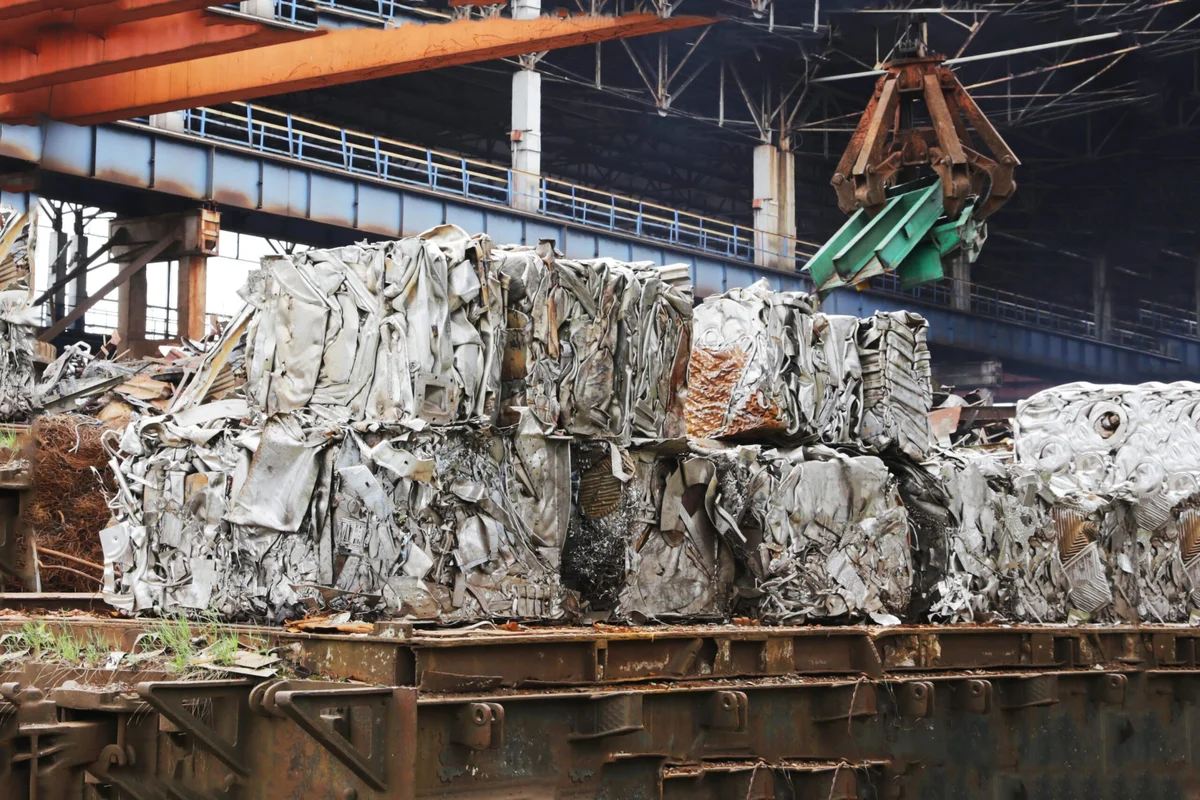
Scrap Moves to the Fore in Japan as Steel Decarbonisation Plans Progress
Why It Matters
Securing affordable, high‑grade scrap is critical for Japan’s carbon‑neutral steel targets and will influence global steel pricing as the country’s domestic supply tightens.
Key Takeaways
- •Japan targets 2 Mt/yr high‑grade scrap capacity by 2030.
- •Mitsui & Ibokin partner to improve scrap traceability and supply.
- •Nippon Steel invests ¥630 bn ($4 bn) in 2 Mt/yr EAF at Kyushu.
- •Scrap prices jumped to ¥54‑59k/ton, raising EAF steel costs.
- •Domestic scrap supply tight as steel output falls 4% YoY.
Pulse Analysis
Japan’s aggressive decarbonisation agenda is reshaping its steel landscape. By 2030 the government aims to install 2 million tonnes of high‑grade scrap‑processing capacity, backed by a ¥1 trillion ($6.3 bn) public‑private fund. This policy push dovetails with private‑sector actions such as the Mitsui‑Ibokin memorandum, which seeks to close gaps in dismantling, sorting and traceability, ensuring that the raw material needed for electric‑arc furnaces is both reliable and environmentally certified.
At the same time, supply constraints are emerging as a decisive factor. Japanese steel output fell 4% year‑on‑year to 80.7 Mt in 2025, while domestic scrap generation is stagnant, prompting exporters to ship record volumes abroad. Prices for ferrous scrap have risen sharply, reaching ¥54‑59 k per tonne—a jump of roughly $340‑390 per tonne—pressuring EAF operators’ cost structures. The surge reflects heightened demand from neighboring markets and concerns over potential export controls, leaving steelmakers to balance decarbonisation goals against rising input costs.
Looking ahead, the success of Japan’s transition hinges on how quickly the scrap supply chain can scale and stabilize. Nippon Steel’s ¥630.2 bn ($4 bn) investment in a world‑first integrated 2 Mt/yr EAF at Kyushu, together with additional EAF projects, signals confidence in a scrap‑driven future but also underscores the need for roughly 2 Mt/yr of scrap to run at full capacity. Regulatory clarity on recycling and export rules will be pivotal; ambiguous policies could dampen momentum, while firm support may position Japan as a model for low‑carbon steel production worldwide.
Scrap moves to the fore in Japan as steel decarbonisation plans progress
Comments
Want to join the conversation?
Loading comments...